By now, the majority of businesses and individual vehicle owners recognize how critical proper lubrication is for their machinery and automobiles. At Valvoline, we possess a wealth of knowledge regarding lubrication and the value it brings to both industries and private users. That said, purchasing oil and swapping it out on a regular schedule represents only one piece of the larger machine maintenance puzzle. What many asset owners fail to appreciate is that oil filters shoulder the bulk of the work when it comes to preserving both the machine and the oil itself—making these components far too easy to overlook.
Maintaining oil filters correctly is no simple matter. Much like the wide variety of oils available on the market, filters come in numerous types as well. It is a competitive field, with manufacturers striving to deliver the best combination of performance, quality, and cost to their customers. To illustrate the financial stakes involved, a large equipment fleet can spend approximately €1 million annually on industrial oil filters alone. In certain situations, large specialty oil filtration elements can carry a price tag exceeding €1,000. So what is the best way to take the uncertainty out of oil filter selection? Since a universal approach simply does not apply here, the following guide is designed to help streamline your decision-making process.
Whether we are discussing industrial machinery or recreational vehicles, oil filters play a vital role across all engine-driven equipment. Without them, engines would be vulnerable to a wide range of problems that could compromise both performance and longevity. Engine oil can accumulate numerous contaminants over time—water, glycol, incompatible oil, dirt, metal grinds, and more—many of which are highly damaging. Among these, solid contaminants tend to cause the most harm, particularly silica and alumina dust. Oil filters work to keep these particles out of the oil and deliver a range of important benefits to the engine:
The primary function of an oil filter is to shield the engine from particles suspended in the oil. As noted above, these particles include everything from dust and debris to the byproducts of combustion. When allowed to circulate freely through the engine system, these contaminants can cause significant damage. By their nature, most contaminants are abrasive, which can result in accelerated wear and tear on engine components, diminished performance, and in severe cases, complete engine failure.
Keeping oil clean and free of contaminants is essential if you want to extend the service life of both the engine and the oil itself. An oil filter removes debris from the oil while allowing the lubricant to retain its fundamental properties—including viscosity and additives. By preserving its effectiveness over a longer period, the entire system stands to gain from meaningful savings in both time and money.
Machines and vehicles of all kinds consume considerably less fuel when effective oil filtration is in place. Clean oil ensures that all engine components are more thoroughly lubricated, reducing friction and lowering the energy demand placed on the system. Any operation that invests in improved oil filtration can expect to see a noticeable reduction in fuel consumption as a result.
In a broader sense, industrial oil filters and consistent oil filtration represent a meaningful contribution to environmental protection. By keeping oil effective for longer periods, the frequency of oil changes can be reduced. The outcome is less waste oil, reduced pollution, and a decreased demand for new oil production.
Even a modest component like a basic oil filter can generate significant cost savings in both commercial and non-commercial environments. Proper oil filtration translates to fewer machine repairs and part replacements, as well as reduced downtime. And while premium lubricants with extended service lives can already stretch oil change intervals, filters further contribute to this effect and deliver additional savings on lubrication costs.
Oil filters are fundamental to the health and proper functioning of engines. They protect, sustain, and perform tasks that are indispensable to the efficient and reliable operation of industrial equipment, commercial vehicles, and private automobiles. The importance of selecting the right oil filter becomes clear—it is not simply a supplementary maintenance item, but an essential part of the process.
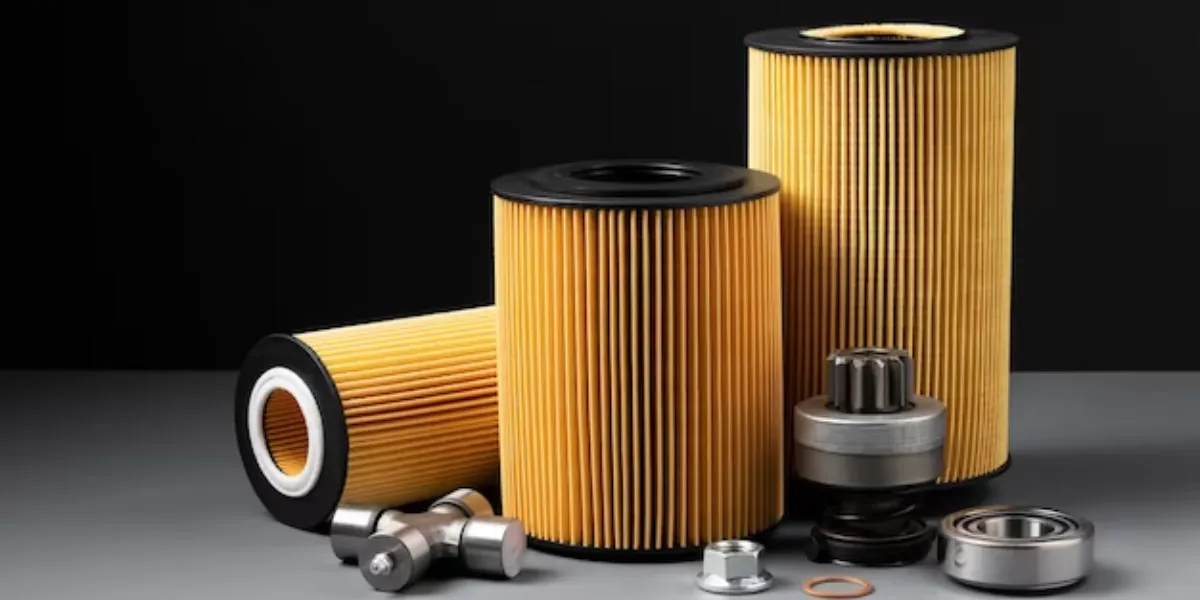
To determine the most appropriate filter for a given machine or application, it helps to first understand how filters operate in general. The mechanism is relatively straightforward. When you hold a filter in your hand, the first thing you notice is the metal can that houses the filtering element. This can features a sealing gasket that forms a secure connection with the engine. Inside, the filter media itself is constructed from filtering material—most commonly synthetic fibre.
The engine pump drives oil into the filter, where it passes through the filter media before returning via the central hole. Through this central hole, the oil re-enters the engine and resumes its protective function. Contaminants are captured by the filtering material, and over time the accumulation of debris clogs the filter, signalling that it needs to be replaced.
The most significant challenge in choosing an oil filter lies in deciding which type is appropriate. Several distinct types exist, each suited to different applications.
A primary or full-flow filter processes the entire volume of motor oil circulating in the system—unlike certain filters that treat only a fraction of the oil. This is the type most widely used in vehicle manufacturing and performs especially well in colder temperatures. Cold conditions cause oil to thicken, making filtration more difficult and potentially harmful to the engine. The primary oil filter addresses this by allowing thick motor oil to pass through the engine more readily than many other filter types.
The most widely used primary filter variants are cartridge and spin-on filters.
A secondary or bypass filter is designed to support the primary filter. It processes only a small portion of the oil and targets contaminants that the primary filter may have missed. This filter adds an extra layer of engine protection and can substantially extend the oil life between changes. One practical advantage of this filter type is that it operates independently of the primary filter—meaning it can be retrofitted to machines that were not originally equipped with one.
The most common secondary oil filter types are:
When it comes to selecting an oil filter for your equipment, there are several key factors to keep in mind:
Depending on the make, model, and operating conditions of the machine, the recommended oil filter change interval will vary. As a general rule, the oil filter should be replaced every time the oil is changed—particularly in passenger vehicles. For gasoline or diesel vehicles, this typically means every 10,000 or 15,000 kilometres. To determine the precise oil service interval for your specific machine, Valvoline recommends consulting the owner's manual provided by the vehicle manufacturer. For industrial oil filters, seek guidance from qualified lubrication technicians with relevant technical expertise and hands-on experience.
Effective machine and vehicle maintenance is inseparable from proper oil filtration, which makes selecting the right product a matter of genuine importance. This practice protects the engine, ensures superior lubrication, and contributes to improved fuel economy. By familiarising yourself with the various oil filter types, their respective advantages, and the criteria for choosing the right one, you can ensure that your machines and vehicles receive the highest standard of care and continue performing at their best for years ahead. With a clearer understanding of oil filtration, your selection process will be both more straightforward and better informed.
Valvoline brings over 150 years of experience in servicing all manner of machinery, engines, and vehicles. Throughout that time, our oil filters and lubricants have worked in tandem to deliver the best possible protection and performance for all your equipment. Our high-quality industrial and other oils are compatible with nearly every modern oil filter, and our extensive product range is equipped to meet the demands of virtually any industry.
For further information, feel free to reach out to the Valvoline team. We offer not only knowledgeable and approachable lubrication experts, but also a cutting-edge virtual Lubrication Advisor to guide you toward the right lubrication decisions—choices that will naturally inform your filter selection as well. With premium-quality oil and filters sourced from reputable manufacturers, your machines will be positioned to achieve and sustain peak performance for years to come.