This post shows what readers can look up in a hurry: how electronic throttle control turns pedal input into throttle movement, what the warning light means, and how to separate a wiring fault from a dirty throttle body or a weak battery. If your customer asks, the one-line answer is that the pedal no longer pulls a cable; it sends an electrical request to the powertrain control module, and the module decides how far the throttle blade should open.
How electronic throttle control works
In a modern drive-by-wire system, the accelerator pedal position sensor tells the PCM how much torque the driver wants. The PCM compares that request with engine load, air flow, coolant temperature, transmission state, traction control input, and sometimes cruise control demand. Then it commands the throttle actuator motor to move the plate and watches feedback from the throttle position sensors. The loop is closed, which is why a problem anywhere in the chain can set a fault and put the vehicle in reduced-power mode.
A useful way to explain electronic throttle control to a driver is to compare it with a thermostatic valve. The pedal is the request, but the computer is the one making the final move after it checks the rest of the system. That is also why the fault can live in the pedal, the throttle body, the harness, the ground path, or the software calibration. A mechanical cable had one obvious failure mode. This system has several.
Reference Box: On the spec sheet, the number that decides it is the commanded throttle angle versus actual throttle angle. SAE J1979 Mode 01 data and SAE J2012 trouble-code definitions are where the diagnosis starts. If you can read live data, you can usually tell whether the pedal sensor is lying, the throttle body is sticking, or the control side is unhappy.
A clean throttle body is still important, but dirt is only one part of the picture. Low system voltage, poor grounds, water in a connector, or a mismatched replacement part can create the same complaint as a worn motor. I have seen a weak battery after a cold soak cause a no-start complaint that looked like an intake problem until the voltage trace was checked.
Common symptoms and codes
A faulty electronic throttle control complaint often starts with a light and ends with reduced power. The usual driver complaint is a check engine light with sluggish acceleration. Some vehicles also show an ETC lamp, a wrench symbol, or a message such as reduced engine power. Idle speed may hunt, the engine may flare when the pedal is released, or the truck may sit at 1,500 rpm and feel stuck there. On some makes, the transmission shifts normally; on others, torque management steps in and the vehicle feels flat.
Common codes include P0121 and P0221 for pedal or throttle position correlation, P2101 for throttle actuator performance, and P2111 or P2112 when the plate is stuck open or closed far enough to matter. Those codes do not always mean the throttle body itself is bad. I have seen a corroded connector, a pin fit problem, or a weak battery trigger the same set of numbers. That is why scan data and freeze-frame data matter more than guesswork. A customer may swear the body is dirty, but the data may show the pedal sensor has a dead spot at half throttle.

What to inspect before you replace parts
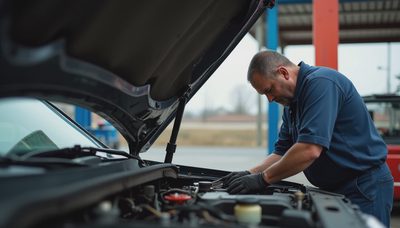
Before you replace anything in an electronic throttle control complaint, start with battery voltage and charging output. A 12-volt battery that is low after a cold start, or an alternator that sags under load, can create false throttle complaints. Next, inspect the air intake duct for splits, loose clamps, and oil-soaked residue around the throttle bore. Then check the connector locks, terminal tension, and harness routing where the loom bends near the engine.
If the throttle plate is carboned up, clean it with the correct product and do not force the blade by hand unless the manufacturer allows it. Some electronic throttle control units can be damaged by rough cleaning or by pushing the plate against the gear train. A shop rag and aggressive solvent are a bad combination here. After service, many vehicles need an idle relearn or throttle relearn. The procedure may be as simple as key on/key off cycling, or it may require a scan tool function. On GM, Ford, Honda, Toyota, Chrysler, and many late-model imports, skipping that step can leave the customer with a fast idle or a fresh code.
If the live data shows the pedal sensor tracks smoothly but the throttle blade jumps or stalls, the motor or housing is suspect. If both pedal and throttle data look noisy, the fault may be wiring, a bad ground, or a control issue in the PCM. When I teach this to students, I tell them to compare commanded angle, actual angle, and pedal percentage before they order parts. That three-way comparison is faster than swapping components one at a time.
Repair cost, timing, and when to stop driving
A good diagnosis usually saves real money. A throttle body cleaning and relearn may land in the $100 to $200 range at an independent shop. A complete throttle body replacement often falls somewhere around $350 to $800, with some trucks and European vehicles running higher because the assembly is more expensive or the labor access is worse. A pedal assembly or sensor issue can be cheaper, but the parts and programming still add up. If the fix needs a PCM update or a harness repair, budget more time than money.
If the vehicle is in reduced-power mode and traffic is light, a careful drive to the shop may be reasonable. If the engine surges, stalls, or will not respond normally at all, tow it. For fleet work, that choice matters because chasing one intermittent repair can tie up a unit for a day and cost more than the part itself. In my classroom notes, I tell technicians to document the complaint, the codes, the freeze-frame, and the battery state before anything comes apart. That record helps if the same unit returns with the same fault after a battery replacement or body repair.

Prevention, records, and the cleanest first pass
The best prevention is boring maintenance done on time. Keep the battery and charging system healthy, replace a clogged air filter before dirt reaches the intake, and inspect the harness after any collision repair or engine work. If the vehicle has repeated low-voltage events, fix the root cause instead of clearing the light and sending it back out. Moisture, oil mist, and poor connector sealing all shorten the life of the control side.
For shops and fleets, the habit that pays is a short paper trail. Record the codes, the live-data numbers, the relearn performed, and the final idle quality. That note becomes useful when the same vehicle returns six months later. It also helps a counterperson decide whether the customer needs a throttle body, a pedal sensor, a pigtail, or just a proper diagnosis. If you are the one on the bay, save the freeze-frame printout and the battery test result together.
If your customer asks about electronic throttle control, the one-line answer is simple: it is an electrical command-and-feedback system, so the fault can be mechanical, electrical, or calibration-related. Here’s the chemistry, here’s the spec, here’s what to do with it. Start with the scan data, respect the relearn procedure, and do not replace the throttle body until the evidence points there.


No comments yet — be the first to share a thought.