If you are trying to diagnose **engine bearing shavings in oil**, this post is meant to be a quick working reference. You will be able to look up what the metal usually looks like, why bearing material shows up in drained oil or the filter, what tests help confirm the source, and when the engine should come apart. Here's the chemistry, here's the spec, here's what to do with it. In most cases, visible bearing debris in oil is not a harmless curiosity. It is a sign that the oil film has failed, contamination has entered the system, or a bearing surface is already wiping away.
What bearing shavings usually look like
When technicians say they found bearing material in oil, they are often describing fine metallic glitter, dull gray paste in the drain pan, or flakes caught in the filter media. Engine bearings are not solid chunks of one metal. Many plain bearings use layered construction, so the debris can appear silver, gray, copper-colored, or even slightly bronze depending on how far the wear has progressed. If you cut open the oil filter and spread the pleats, larger flakes are more serious than a light sparkle.
Reference Box:
Plain engine bearings rely on hydrodynamic lubrication. The oil film separates moving parts; once that film collapses, direct contact starts removing bearing material.
On the spec sheet, the number that decides it is often viscosity at operating temperature, such as SAE J300 grade selection, but contamination control matters just as much. API service category tells you performance level, not whether the engine is already mechanically damaged. If your customer asks, the one-line answer is this: visible engine bearing shavings in oil usually mean active wear, not normal break-in debris on a used engine.
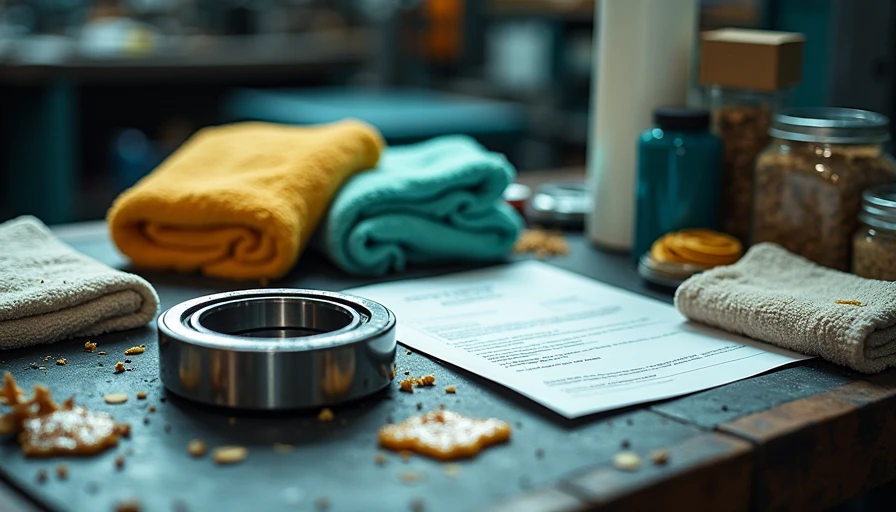
Why bearings shed material into the oil
The common causes fall into a few buckets: low oil pressure, oil starvation, dirt or coolant contamination, wrong viscosity for the application, and overload from detonation or excessive heat. Main and rod bearings survive because the oil creates a pressure-supported film between the journal and bearing shell. If oil supply drops, the film thins and the soft overlay starts to smear or wipe.
Coolant contamination is especially destructive. Glycol in the crankcase attacks the lubricant system and can promote sludge, additive depletion, and corrosion. Dirt is no better; silica and hard particles act like lapping compound. In fleet service, I tell students to think of the filter as evidence storage. If the media contains bright flakes, copper streaks, or magnetic steel fines alongside nonmagnetic metallic paste, the engine likely has more than one wear source.
Reference Box:
ASTM D5185 oil analysis can trend wear metals, while ASTM D6304 measures water in oil. Those tests help confirm whether wear and contamination are moving together.
How to tell bearing debris from other metal in the engine
Not every metallic particle means the bearings are the only failure point. Camshafts, lifters, timing sets, oil pumps, and piston assemblies can all contribute metal. A quick shop test is magnet response. Bearing material is often weakly magnetic or nonmagnetic, while steel wear from rings, chains, or valvetrain parts is usually magnetic. Color also matters. Copper or bronze tones often suggest bearing underlayer exposure or thrust surface wear. Bright silver can be aluminum from pistons or front cover material.
The most useful field check is to inspect three places together: drained oil, oil filter media, and the drain plug magnet if equipped. Then compare that with symptoms such as low hot idle oil pressure, knocking under load, or a sudden drop in oil pressure after a hard event. If engine bearing shavings in oil are accompanied by audible rod knock, stop running the engine. Additional runtime can damage the crankshaft beyond a polishable condition.
What to inspect before teardown
Before pulling the engine apart, document the basics. Verify oil level, review service history, ask about overheating, missed oil changes, or coolant loss, and check whether the correct viscosity and API category were used. Pull the filter and cut it open. Drain a clean sample for laboratory analysis if the engine still turns and there is value in understanding root cause.
I also recommend checking for coolant signs under the oil fill cap, pressure-testing the cooling system if contamination is suspected, and verifying actual oil pressure with a mechanical gauge rather than relying only on the dash light or sender. Instructors say this every semester because it saves engines: warning lights are late indicators, not precision instruments.
Reference Box:
SAE viscosity grade affects film thickness, but no oil grade can rescue a bearing once clearances are badly opened up. Correct diagnosis comes before fluid choice.
If your customer asks, the one-line answer is this: confirm pressure, inspect the filter, and look for contamination before deciding whether the failure is isolated or system-wide.
Repair decisions, cleanup, and safe handling
If you find substantial engine bearing shavings in oil, plan for more than just replacing shells. The crankshaft journals must be measured for scoring, taper, and out-of-round. Oil passages need to be cleaned thoroughly, and the oil cooler, if fitted, can trap debris that later re-enters the rebuilt engine. Many repeat failures happen because metallic residue remained in galleries, lines, or the cooler.
Used oil and solvent-contaminated cleanup materials should be handled properly. Store drained oil in labeled containers, keep absorbents off the floor, and follow local disposal rules. In the U.S., used oil management falls under EPA standards, and shop rags or absorbents contaminated with fuel or solvent may require different handling than plain used oil cleanup. Wear gloves and eye protection when cutting open filters and washing parts.
For the serious DIY owner or fleet lead, the practical takeaway is simple: once engine bearing shavings in oil are visible, this has moved past routine maintenance. A fast inspection can be the difference between polishing a crank and replacing a complete engine assembly.
Preventing the next bearing failure
Prevention is usually less dramatic than repair. Use the correct SAE viscosity and OEM-required approvals, keep air filtration tight, fix coolant leaks early, and do not extend oil drains blindly. Severe service, short-trip fuel dilution, and overheating all cut into oil film strength. For fleets, trend oil analysis instead of guessing. For retail service, record hot oil pressure complaints, startup knock, and filter findings so the next technician sees the pattern.
Here's the chemistry, here's the spec, here's what to do with it: bearings live on clean oil, stable viscosity, and uninterrupted supply. When those conditions disappear, the soft bearing surface becomes the sacrificial part. If you catch the problem early, you might save the crankshaft and block. If you ignore metallic debris and keep driving, the repair bill climbs quickly. Treat bearing metal in oil as a decision point, not as background noise.