
After this post, you will be able to look up what **metal shaving in oil** usually means, how to tell normal debris from active damage, and what inspection steps make sense before you run the engine again. This is one of those findings that can be minor or expensive depending on particle size, amount, and source. Here's the chemistry, here's the spec, here's what to do with it.
What metal in oil actually tells you
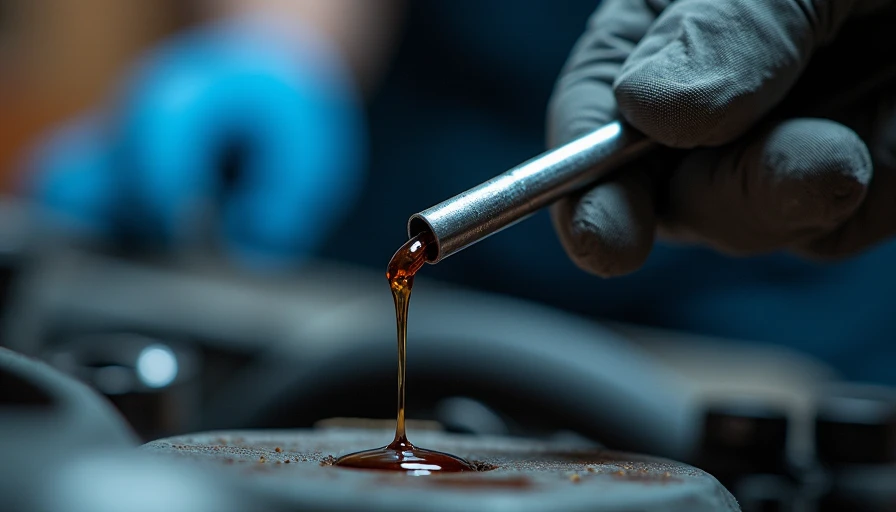
A small amount of metallic debris in used oil is not automatically catastrophic. All engines shed some wear material over time. What matters is the form. Fine metallic sheen in drained oil can come from normal rubbing wear, especially after fresh engine work or early break-in. Larger flakes, needle-like slivers, or obvious chips are different. Those point toward abnormal contact between loaded parts.
Reference Box: In oil analysis language, wear metals are often tracked in parts per million, while larger visible debris is usually beyond what a standard elemental test alone can fully describe. Particle evaluation may involve ferrography or particle count methods under ASTM practices depending on the lab.
If your customer asks, the one-line answer is this: **metal shaving in oil** means the oil is carrying material from component surfaces, and the next step is identifying whether that material is expected break-in residue, contamination, or active failure. Color can help a little. Bright silver often suggests steel or aluminum. Coppery tones can point toward bearing material or a cooler component. But color alone is never enough for diagnosis.
Common sources inside an engine
When I teach this topic, I start with the loaded surfaces. Main bearings, rod bearings, cam lobes, lifters, timing components, piston skirts, rings, oil pump gears, and turbocharger bearings can all create metallic debris if lubrication is compromised. Dirt ingestion through a poor air seal can accelerate ring and cylinder wear. Fuel dilution can thin the oil and reduce film strength. Coolant contamination can attack bearing surfaces and additives.
On the spec sheet, the number that decides it is often viscosity grade and approval level. Engine oil has to maintain a protective film under the temperatures and loads the OEM designed for. SAE J300 defines viscosity grades, while API service categories such as SP describe performance levels for gasoline engines. Running the wrong viscosity or an oil that does not meet the required performance standard can increase wear risk.
A magnetic drain plug helps narrow the source. Ferrous particles stick to the magnet, so steel from gears, chains, shafts, or cast iron surfaces will collect there. Nonferrous material such as aluminum or some bearing metals will not. If the oil filter is cut open and packed with shiny debris, treat that more seriously than a light paste on a drain plug magnet.
When metal shaving in oil is normal and when it is not
There are a few situations where **metal shaving in oil** can be expected in modest amounts. A fresh rebuild, a camshaft and lifter replacement, or the first service after a new engine installation can produce fine break-in material. In that case, the debris should decrease quickly after the first oil and filter change interval. You do not want a growing amount at each service.
Abnormal signs include chunks you can feel between your fingers, flakes visible in the drain pan, copper or bronze glitter, or debris accompanied by low oil pressure, knocking, misfire, or timing noise. Those combinations suggest more than routine wear. If the filter media contains a heavy concentration of particles, I would not send that engine back out without further inspection.
Reference Box: Used oil analysis can trend iron, copper, lead, aluminum, chromium, silicon, fuel dilution, coolant markers, oxidation, nitration, and viscosity shift. Trend data is more useful than one isolated sample.

Another clue is timing. If **metal shaving in oil** appears right after major repair, think assembly residue, improper cleaning, or break-in wear. If it appears suddenly in a stable engine with rising noise or falling pressure, think active failure. Those are two very different conversations at the service counter.
What to inspect before the next oil fill
Start with the basics and keep the evidence. Drain the oil into a clean pan, inspect under strong light, and run a magnet through the sample. Cut open the oil filter with the proper tool, spread the media, and look for particle type and amount. Do not crush the can and guess. If the engine has a magnetic drain plug, document what is on it.
Next, check the operating story. Was the oil level low? Was the wrong oil viscosity installed? Is there evidence of coolant loss, fuel dilution, overheating, or extended drain intervals? Pull trouble codes if the vehicle is equipped for it. Listen for top-end ticking, lower-end knock, timing chain rattle, or turbo whine. If pressure is in question, verify with a mechanical gauge rather than relying only on the dash indicator.
If the debris is heavy, dropping the oil pan is often justified. That lets you inspect pickup screen restriction and look for bearing or guide material. For fleets or expensive equipment, sending a sample to a lab is money well spent. The lab report will not replace teardown judgment, but it helps separate wear metal trends from one-time contamination.
Safety, disposal, and the smart next step
Used oil and contaminated filters need to be handled correctly. Wear nitrile gloves, keep ignition sources away from drained oil, and avoid skin contact with used lubricants. Store drained oil in a labeled, closed container. In the U.S., used oil management is governed under EPA rules, and shops also need to follow local waste handling requirements. Oil filters should be drained and disposed of through the proper recycling or waste stream.
If **metal shaving in oil** is light and clearly tied to break-in, the next move is usually a fresh filter, the correct oil specification, and a shorter follow-up interval. If the debris is moderate to heavy, or the engine has noise or low pressure, stop running it until inspection is complete. That is cheaper than turning bearing damage into a crankshaft and block problem.
Here is the practical close: do not panic over every sparkle, but do not normalize visible chips either. The combination of particle size, quantity, magnet response, filter findings, and operating symptoms tells the story. If your customer asks, the one-line answer is: visible metal is a warning flag, and the filter cut-open plus oil sample usually decide whether you are looking at break-in, contamination, or a failing component.



No comments yet — be the first to share a thought.