If you are dealing with a rough-running engine, one of the first places to look is the fuel delivery system. The symptoms of bad fuel injectors can mimic other problems, but knowing what to look for saves diagnostic time. Here's the chemistry, here's the spec, here's what to do with it.
Common Symptoms of Bad Fuel Injectors
The symptoms of bad fuel injectors often start subtly and worsen over time. The most frequent complaint is a rough idle – the engine shakes or vibrates at a stoplight. This happens because a clogged or leaking injector delivers an uneven fuel mixture to that cylinder. Next comes hesitation or stumble during acceleration. When an injector doesn't spray properly, the cylinder gets too lean or too rich, and the engine struggles to respond. Poor fuel economy is another red flag. A stuck-open injector dumps excess fuel, while a partially clogged one makes the other cylinders work harder to compensate. Both scenarios burn more gas than normal. A misfire code (P0300 to P0308) often accompanies these drivability issues. The check engine light illuminates, and you may feel a noticeable skip under load. Hard starting, especially after the engine has been sitting, can point to a leaking injector that floods the cylinder with fuel overnight.
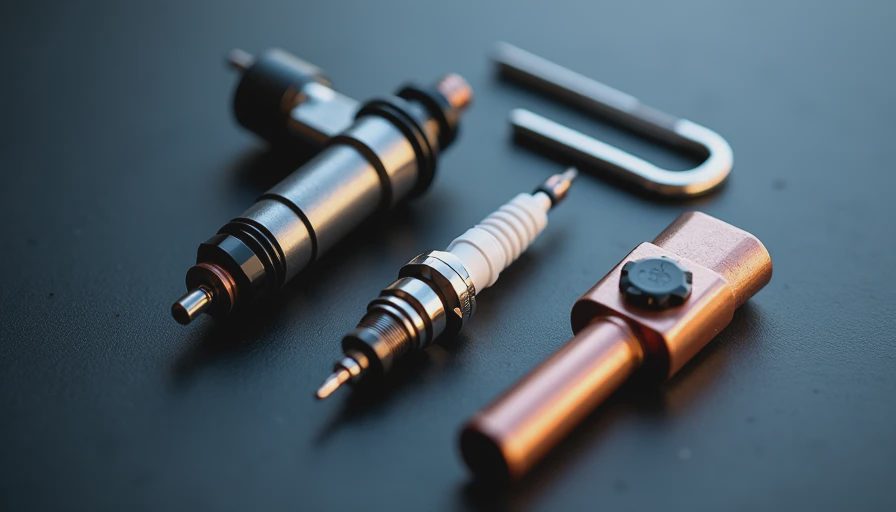
Diagnosing Injector Problems
When you suspect symptoms of bad fuel injectors, start with a scan tool to read stored trouble codes. Focus on misfire codes and oxygen sensor readings. A fuel pressure gauge tells you if the pump and regulator are delivering proper pressure (typically 40–60 psi for port injection). Then perform a power balance test – disable each cylinder one at a time and note the RPM drop. A cylinder with a bad injector will show little change. A mechanic's stethoscope placed on the injector body can confirm whether the injector clicks open and closed. No click means the solenoid is dead or the driver circuit is faulty. For leaking injectors, a fuel pressure leak-down test is the best method. After turning off the engine, watch the gauge – if pressure drops quickly (more than 5 psi in 5 minutes), you likely have a leaking injector or a bad check valve in the pump. Don't forget to check the fuel trim values. High positive long-term fuel trim on one bank suggests a lean condition from a clogged injector on that bank.
What Causes Injector Failure?
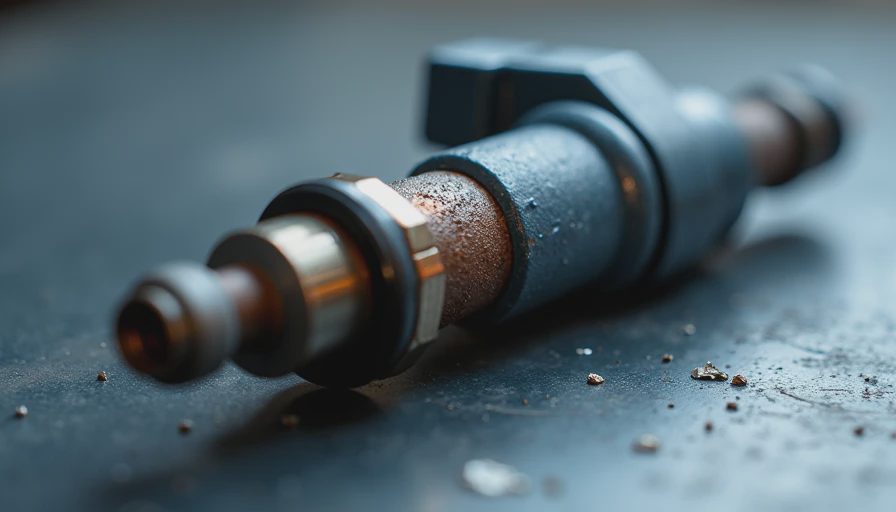
Deposits form on the injector tip from low-quality fuel. When fuel burns, carbon and varnish build up on the nozzle, disrupting the spray pattern. Water contamination in the tank can cause corrosion inside the injector. Dirt or debris from a failed fuel filter can physically block the pintle. Electrical issues include a burned-out solenoid winding or a failed injector driver in the ECU. Fuel composition plays a role – fuels with low detergent content allow deposits to accumulate faster. Top-tier gasoline contains higher levels of detergents that help keep injectors clean. Additives like polyether amine (PEA) are effective at removing deposits, but they can't fix a mechanically stuck injector. If the injector is stuck open from debris, only replacement will solve it. On older vehicles, injector O-rings degrade and cause vacuum leaks, which mimics a fuel problem.
Prevention and Maintenance
Knowing the symptoms of bad fuel injectors helps you catch problems early. Use top-tier gasoline from a reputable brand – it contains the detergents needed to prevent deposit formation. Replace the fuel filter at the manufacturer's recommended interval (often every 30,000 to 60,000 miles). Avoid running the tank below a quarter full to minimize drawing sediment from the bottom of the tank. Add a fuel system cleaner containing PEA every 3,000 to 5,000 miles if you suspect deposit buildup. If you store a vehicle for extended periods, use a fuel stabilizer to prevent gum formation. For high-mileage vehicles, consider professional injector cleaning – a machine that pressurizes solvent through the injectors while the engine runs. But if an injector is physically damaged or electrically dead, cleaning won't help; replacement is the only cure. Always follow safety precautions when handling fuel: work in a well-ventilated area, disconnect the battery, and depressurize the system before disconnecting fuel lines.
When to Seek Professional Help
If you've gone through the diagnostic steps and still can't isolate the problem, it's time to call in a shop with a fuel injector test bench. They can remove the injectors and flow-test each one to measure spray pattern, volume, and leakage. Any injector that falls outside spec (typically more than 10% deviation from the others) should be replaced. Labor costs can add up, but a professional diagnosis saves you from replacing parts that aren't faulty. Most modern injectors are durable – 100,000 miles or more is common – but fuel quality and maintenance habits make a big difference. Keep a log of your fuel purchases and any drivability symptoms you notice. That record will help your technician pinpoint the issue faster.
Fuel Injector Replacement Costs and Considerations
Replacing fuel injectors is not cheap, but ignoring the problem leads to catalytic converter damage or internal engine failure. A single injector for a mainstream vehicle costs between $50 and $150 for the part. Labor adds another $100 to $300, depending on accessibility. For a V6 or V8 engine, replacing all injectors at once is common practice. A full set of eight injectors plus labor can run $800 to $1,200. Many shops recommend professional cleaning first, which costs $100 to $250. If that solves the drivability issue, you've saved money. However, if the injector has a physical defect or an electrical fault, cleaning is useless. Before spending on replacement, verify that the problem is actually the injectors and not a fuel pressure regulator or a bad ECU driver. Use your scan tool to check fuel trim values and misfire counts. A competent technician can pinpoint the source in under an hour. Always get a written estimate before authorizing work, and ask if the shop uses OEM or aftermarket parts. Aftermarket injectors can save money but may not match the spray pattern of originals. For most daily drivers, quality aftermarket injectors are fine, but for performance or luxury cars, stick with OEM. If you decide to replace injectors yourself, key steps include depressurizing the fuel system, disconnecting the battery, labeling each injector connector, replacing O-rings and seals, and torquing the fuel rail bolts to spec. A torque wrench is essential to avoid warping the rail. Test for leaks before starting the engine.




No comments yet — be the first to share a thought.