
If you’ve ever had a customer ask what is coolant used for, the one-line answer is heat transfer. But that short answer doesn't do justice to the chemistry and engineering behind modern engine coolant. In this reference post, you’ll be able to look up the four core jobs coolant performs, the chemical additives that make it work, and the common mistakes that lead to cooling system failures. Whether you're behind the parts counter or working on a fleet, understanding what is coolant used for beyond the obvious can save time and money.
Coolant, also called antifreeze, is a water-based fluid with a carefully balanced additive package. It circulates through the engine block and radiator to manage temperature. Without it, internal combustion engines would overheat within minutes. But that’s only the start of what it does.
The Primary Job: Heat Transfer
Coolant’s main job is to absorb heat from the engine and carry it to the radiator, where it’s released into the air. Water is an excellent heat conductor, but pure water boils at 212°F (100°C) and freezes at 32°F (0°C). A 50/50 mix of water and ethylene glycol raises the boiling point to about 223°F (106°C) and lowers the freezing point to -34°F (-37°C). That’s why the standard recommendation is a 50/50 mix for most climates. The glycol is the antifreeze, but it also contributes to the boiling point elevation. When your customer asks what is coolant used for, start with this: it manages the engine's operating temperature so the metal components stay within their design limits.
On the spec sheet, the number that decides it is ASTM D3306, which specifies the performance requirements for ethylene glycol-based engine coolant.

Beyond Cooling: Freeze Protection and Boil-Over Prevention
While heat transfer is the primary function, coolant also prevents the engine block and radiator from cracking in cold weather and from boiling over in hot weather. In northern states, pure water in the block would freeze, expand, and crack cast iron heads or aluminum blocks. The antifreeze component inhibits ice crystal formation. Similarly, in high-load conditions, coolant’s elevated boiling point prevents vapor lock and loss of cooling efficiency. If you’re explaining to a shop apprentice what is coolant used for in winter, tell them it’s the difference between driving home and a tow truck.
Corrosion Protection – The Chemistry of Inhibitors
Here’s where the chemistry gets interesting. Coolant contains a package of corrosion inhibitors that protect the various metals in the cooling system: cast iron, aluminum, copper, brass, and solder. These inhibitors form a thin passivation layer on metal surfaces, preventing galvanic corrosion and pitting. Common inhibitors include silicates, phosphates, organic acids (used in OAT formulations), and azoles for copper protection. The specific additive package determines the coolant color and its compatibility with different engine materials. When a customer asks what is coolant used for in a modern aluminum-engine car, the answer must include corrosion protection, because aluminum is especially prone to electrolysis if the inhibitor levels drop.
Reference Box: ASTM D3306 / D4985 for heavy-duty coolant – these specs define the minimum inhibitor levels for passenger cars and commercial vehicles.
Coolant Types and Compatibility
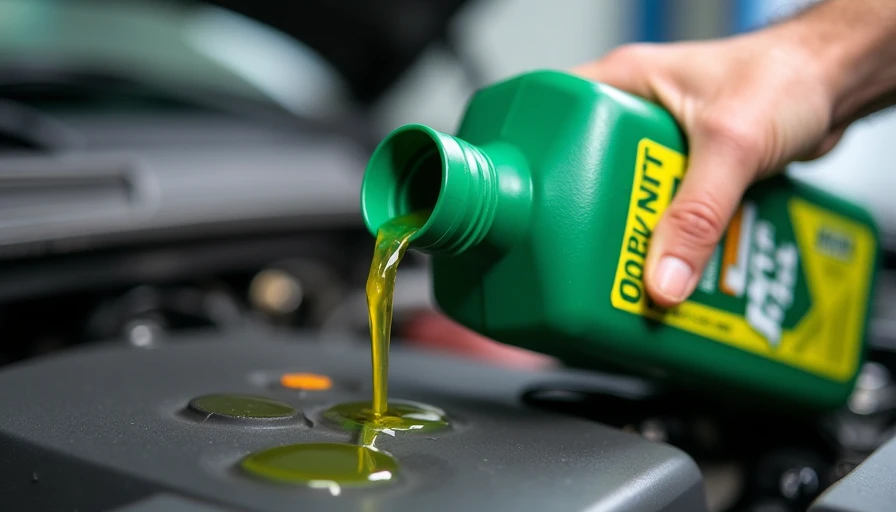
Not all coolants are the same. The traditional green coolant uses inorganic additive technology (IAT) with silicates and phosphates. It requires replacement every two years or 30,000 miles. Organic acid technology (OAT) coolants, often orange or red, last five years or up to 150,000 miles, and are common in GM and some European vehicles. Hybrid organic acid technology (HOAT) coolants, usually yellow or pink, combine OAT with a small amount of silicate, found in many Chrysler, Ford, and European models. Mixing incompatible coolants can cause gel formation, sediment, and complete cooling system failure. Always check the OEM spec. Asking what is coolant used for without understanding compatibility is a setup for a comeback.
Common Mistakes and Maintenance Tips
One of the most frequent errors is topping off with pure water or the wrong color coolant. Water dilutes the inhibitor package and lowers the freeze point. The wrong color can lead to chemical incompatibility. Another mistake is using coolant that’s past its service life—test strips or a refractometer can measure freeze point and inhibitor level. For fleet maintenance, a regular coolant analysis program (ASTM D6210 for SCA-treated coolants) catches issues before they cause overheating or water pump failure. So when you hear “what is coolant used for,” remember it’s a multi-function fluid that requires proper selection and maintenance.
Here’s the chemistry, here’s the spec, here’s what to do with it: always use the OEM-recommended coolant type, maintain a 50/50 mix unless extreme conditions dictate otherwise, and test annually. That’s the full answer to what is coolant used for.
Frequently Asked Questions About Coolant Use
**Q: Can I use water instead of coolant in an emergency?**
A: Water can work temporarily for heat transfer, but it lacks freeze protection and corrosion inhibitors. If you must add water in an emergency, drain and refill with the proper coolant as soon as possible. Otherwise, rust and freeze damage can occur.
**Q: How often should I change my engine coolant?**
A: It depends on the coolant type. Traditional green IAT coolant needs replacement every 2 years or 30,000 miles. OAT formulations can last 5 years or 150,000 miles. Always follow the vehicle manufacturer’s maintenance schedule.
**Q: What does coolant color indicate?**
A: Color is not a reliable indicator of chemistry, but generally green = IAT, orange/red = OAT, yellow/pink = HOAT. Never mix colors without verifying compatibility on the bottle.
**Q: Why does coolant smell sweet?**
A: Ethylene glycol has a sweet odor. If you smell it inside the cabin, there may be a heater core leak. Propylene glycol is less toxic and used in some eco-friendly formulations, but it still requires proper handling.



No comments yet — be the first to share a thought.