Protect Your Family and Avoid Fines by Safely Disposing of Hazardous Automotive Fluids Properly
Doing your own maintenance saves money, but dumping old fluids down the drain can cost you thousands in fines and damage your health. Proper disposal keeps your driveway safe and your community clean.
Why This Matters
When you change your own oil or flush a brake system, you are handling materials that are far more dangerous than just dirty water. Improper disposal of these materials can lead to environmental contamination and potential health risks for you and your neighbors. These materials can contaminate soil and groundwater, which can affect both the environment and human health.
Beyond the environmental impact, there is a direct safety risk in your own garage. These materials can be highly flammable, posing a fire hazard if stored incorrectly. By taking the necessary steps to ensure that these materials are disposed of in a safe and responsible manner, you protect your family from exposure to toxic compounds and avoid violating local laws that carry heavy penalties.
What You Need to Know
Not all liquids are created equal. You need to identify exactly what you are handling to dispose of it correctly. Oil, antifreeze, brake fluid, transmission fluid, and power steering fluid are all automotive fluids and chemicals that must be disposed of properly.
Each fluid carries specific hazardous compounds:
- Motor Oil: Especially hazardous to the environment, as it contains hazardous compounds such as benzene, lead, zinc, and polycyclic aromatic hydrocarbons (complex organic molecules that are often carcinogenic).
- Antifreeze: Contains ethylene glycol, a toxic chemical which can be deadly if ingested.
- Hydraulic Fluids: Brake fluid, transmission fluid, and power steering fluid also contain hazardous compounds such as phthalates, which can be dangerous if inhaled or ingested.
When disposing of automotive fluids and chemicals, it is important to follow local laws and regulations. Many states have laws regarding the proper disposal of these materials. It is important to familiarize yourself with these regulations in order to ensure that you are disposing of these materials in a safe and legal manner.
How It Works
Disposing of hazardous waste isn't as simple as tossing it in the trash. Follow this workflow to ensure compliance and safety.
Step 1: Secure the Fluid
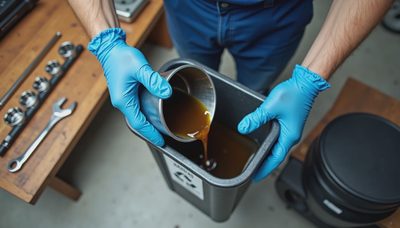
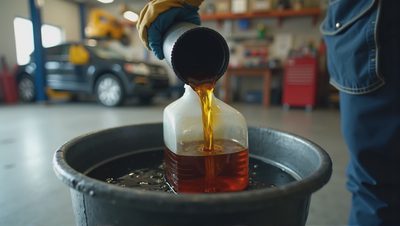
Using the proper containers for disposing of automotive fluids and chemicals is also important. These materials should be stored in labeled containers that are airtight and leak-proof. This will help prevent any accidental spills or contamination during storage and transport. Never mix different fluids together, as this can complicate the recycling process.
Step 2: Check for Recycling
In addition to following local laws and regulations, it is important to recycle or reuse these materials when possible. Reusing oil or antifreeze can help reduce waste, while recycling certain materials such as brake fluid can help conserve resources. Some auto parts stores accept used oil for recycling, but always call ahead.
Step 3: Locate a Facility
Finding a facility to properly dispose of these materials is another important step. Many cities have hazardous waste disposal facilities that accept automotive fluids and chemicals. Contact your local city or county government for information on where to dispose of these materials in your area.
Step 4: Consult Resources
Finally, there are many resources available for those looking for information on how to properly dispose of automotive fluids and chemicals. The Environmental Protection Agency (EPA) provides useful information on how to safely dispose of these materials. Many states also have programs in place to help people safely dispose of automotive fluids and chemicals.
Pro Tip: Keep a dedicated stack of clean, plastic jugs with screw-top lids specifically for waste fluid. Label them immediately with a permanent marker so you never confuse fresh fluid with waste.
Common Mistakes
Despite what some old-school mechanics might say, pouring fluids on the ground is never acceptable. Here are the pitfalls to avoid.
Myth: "It's just a little oil, it will biodegrade."
False. Even small amounts of motor oil containing lead and zinc can contaminate large volumes of groundwater. The source text emphasizes that improper disposal can have serious consequences for soil health.
Mistake: Using Unsealed Containers
Using milk jugs or containers that aren't leak-proof is a violation of safety best practices. If the container fails, you are exposed to phthalates and ethylene glycol. Always ensure your storage vessels are airtight.
Mistake: Ignoring Local Laws
You cannot rely on general advice found on forums. Many states have specific laws regarding the proper disposal of these materials. What is legal in one county might be fined in another. Always contact your local city or county government before transporting waste.
Bottom Line
Automotive fluids and chemicals can be hazardous if not disposed of properly. By following local laws and regulations, recycling or reusing these materials when possible, using proper containers for disposal, and finding a facility equipped to handle hazardous waste, you ensure the safety of your family and the environment. Don't let a simple maintenance job turn into a health hazard or legal issue. Take the time to do it right.