Good lubrication can double component life by cutting friction, wear, corrosion, and heat damage
Why This Matters (cost/safety/longevity payoff)
If you want your equipment to last, lubrication is the cheapest insurance you can buy. Done right, lubricant forms a protective film that keeps moving metal parts from grinding each other down. Done wrong (or ignored), you get metal-to-metal contact, heat buildup, corrosion, and premature failure.
Think of lubrication as the “lifeblood” of machinery: it doesn’t just make things slippery—it actively reduces friction, prevents wear, protects against corrosion, and carries away heat. Those four jobs are the difference between a machine that runs smoothly for years and one that starts eating bearings, gears, bushings, and seals.
What You Need to Know (specs, types, intervals)
The source doesn’t give brand-specific oil weights, part numbers, or mile/hour intervals, so don’t let anyone sell you a one-size-fits-all “magic” lubricant. What it *does* give you are the correct decision points—what you must match your lubricant to.
What lubrication is supposed to do
- Wear protection: Lubricant forms a protective film between surfaces to prevent direct metal-to-metal contact, which accelerates wear and leads to premature component failure.
- Corrosion prevention: Lubricant acts as a barrier against moisture and contaminants, helping inhibit corrosion.
- Heat dissipation: In high-speed or heavy-duty use, lubricant carries away excess heat generated during operation, reducing overheating and thermal damage.
Factors that should drive lubricant selection
- Operating conditions: Temperature, pressure, speed, and load determine what lubricant is appropriate.
- Compatibility: Lubricants must be compatible with the machinery’s materials and also compatible with other lubricants and sealing materials already in the system.
- Internal components/additives: Some applications require specific formulations, such as extreme pressure (EP) additives (additives designed to protect under high load and sliding contact) to reduce wear.
- Environmental considerations: Exposure to water, chemicals, and contaminants affects lubricant choice because these conditions can cause degradation and performance loss.
Maintenance practices you should follow
- Establish a lubrication schedule based on equipment manufacturer recommendations, operating conditions, and performance requirements.
- Monitor lubricant condition using visual inspection, oil analysis, and condition monitoring to catch contamination, degradation, or wear early.
- Use proper application techniques: clean/dry surfaces, correct amount, and even application.
- Training and education: make sure anyone servicing equipment understands handling, storage, and application techniques (MDI offers onsite and virtual training per the source).
Pro Tip: “Manufacturer recommendations” are your baseline, not a suggestion. If operating conditions are harsher than normal (more heat, load, contaminants), shorten the service interval and increase inspection frequency—even if the machine still “sounds fine.”
How It Works (step-by-step or explanation)
This is the practical workflow I’d use in a shop to turn the fundamentals into action. Use it whether you’re maintaining a home shop compressor, a piece of landscaping equipment, or industrial machinery.
Step 1: Identify the operating conditions before you pick a lubricant
Ask four questions and write the answers down:
1. Temperature: Is it exposed to high heat, cold starts, or wide temperature swings?
2. Load/pressure: Is the component lightly loaded (free-spinning) or heavily loaded (gears, bearings under strain)?
3. Speed: Slow moving with high load, or high-speed rotation?
4. Contaminants: Is it exposed to water, chemicals, dust, grit, or dirty air?
These conditions dictate what lubricant characteristics you need to maintain a stable protective film and resist breakdown.
Pro Tip: If the machine operates in a wet or dirty environment, treat corrosion prevention and contamination control as the main mission—not an afterthought.
Step 2: Check compatibility (this is where a lot of DIYers get burned)
“Compatible” means:
- The lubricant won’t attack or swell the seals.
- It won’t react badly when mixed with any lubricant already in the system.
- It matches the materials used in the equipment.
If you don’t know what’s currently in the machine, don’t just top it off with something random. Mixing incompatible lubricants can compromise the film strength and reduce corrosion protection.
Step 3: Confirm whether the application needs EP additives
Some internal component designs need extreme pressure (EP) additives for protection against wear. High-load sliding contact is where EP typically matters most.
If your application calls for EP protection and you run a non-EP product, you can get accelerated wear even if the lubricant level looks “fine.”
Step 4: Build a lubrication schedule you can actually follow
A real schedule isn’t “when I remember.” Use the source’s guidance:
- Base it on equipment manufacturer recommendations
- Adjust for operating conditions
- Adjust for performance requirements
Put it on a calendar, maintenance log, or spreadsheet. Consistency is what prevents the slow, expensive failures.
Pro Tip: Add a quick inspection checkpoint between full services. A 2-minute look can catch contamination early and save you from running degraded lubricant for months.
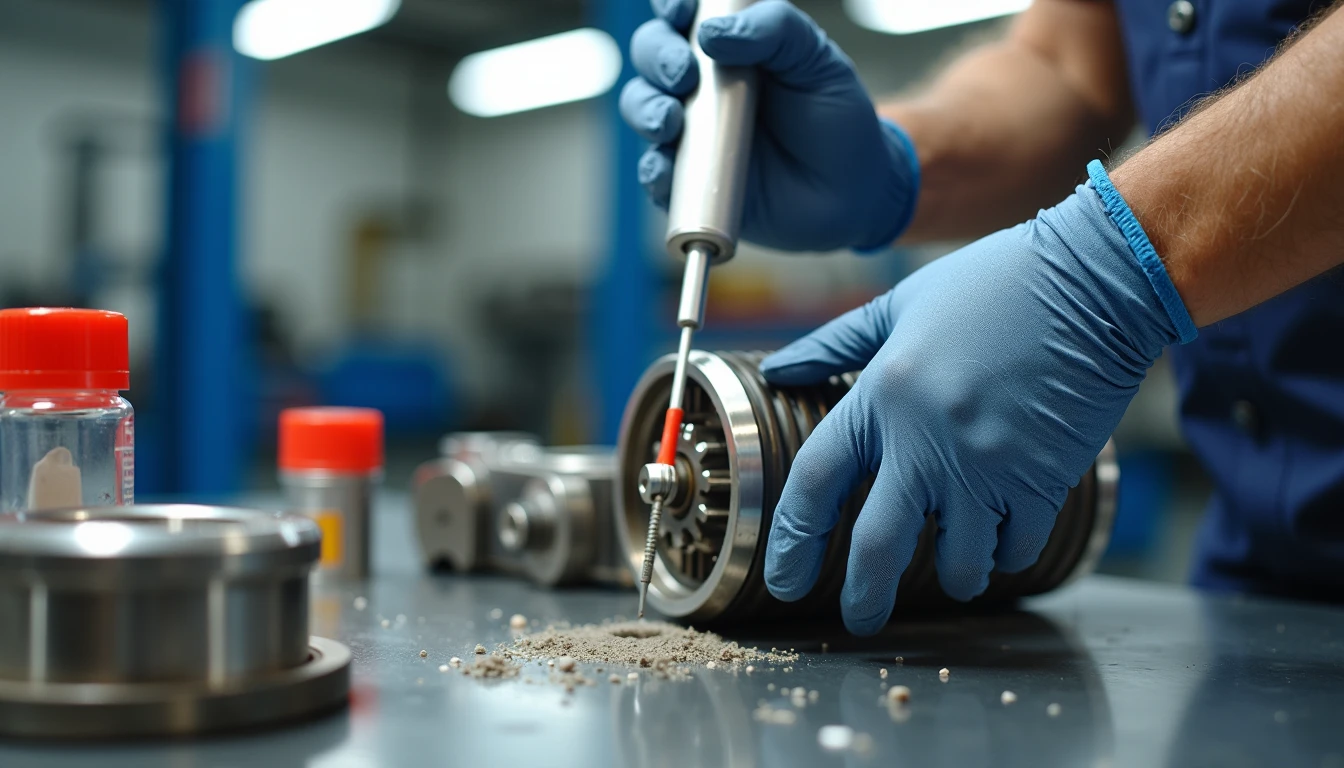
Step 5: Monitor lubricant condition (don’t guess—verify)
Use the three methods the source calls out:
- Visual inspections: Look for discoloration, cloudiness (possible contamination), or signs that the lubricant has degraded.
- Oil analysis: Periodic sampling can reveal contamination and wear trends you can’t see with your eyes.
- Condition monitoring techniques: This can include whatever monitoring your equipment supports to detect changes tied to lubrication health.
The goal is to catch problems like contamination and degradation before they turn into wear and heat damage.
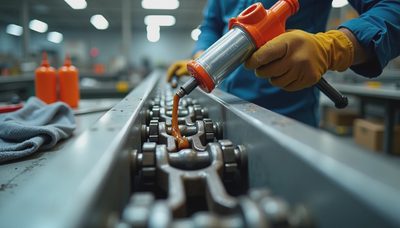
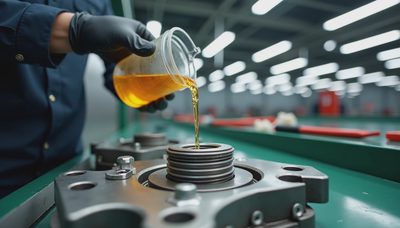
Step 6: Apply lubricant correctly (clean, correct amount, even coverage)
The source is clear on technique:
- Ensure clean and dry surfaces
- Use the correct amount
- Apply it evenly across all contact points
Good lubricant applied poorly is still poor lubrication.
Pro Tip: Keep your grease gun nozzles, funnels, and fill ports clean. A dirty tool can introduce contaminants that negate the corrosion barrier and accelerate wear.
Common Mistakes (myths, pitfalls, warnings)
Mistake 1: “Any lubricant is better than none”
Not always. The wrong lubricant (or incompatible mix) can fail to maintain a protective film under your operating conditions. That leads right back to metal-to-metal contact, heat, and wear.
Mistake 2: Ignoring operating conditions
People pick a lubricant once and never reconsider it—even when the machine’s job changes. Temperature, load, speed, and contamination exposure should drive the choice. If those change, revisit the lubricant.
Mistake 3: Skipping condition checks because “it’s still running”
Lubricants degrade. They also get contaminated. Visual checks, oil analysis, and condition monitoring exist to detect problems early—before you start grinding material off expensive parts.
Mistake 4: Dirty application habits
Applying lubricant onto dirty or wet surfaces, or using contaminated tools, defeats corrosion prevention and accelerates wear.
Mistake 5: Not using a schedule
“No schedule” becomes “missed lubrication,” which becomes heat, wear, and failure. A basic schedule aligned with manufacturer recommendations is one of the highest-return maintenance habits you can build.
Bottom Line (summary, recommended action)
Lubrication isn’t just about reducing friction—it’s about wear protection, corrosion prevention, and heat dissipation through a stable protective film. Pick lubricants based on operating conditions, compatibility, internal component needs (including EP additives when required), and environmental exposure, then back it up with a real schedule and condition monitoring.
If you do nothing else: set a lubrication schedule based on manufacturer recommendations, keep application clean and controlled, and monitor lubricant condition so you catch contamination and degradation early.