
If your engine is stumbling, vibrating more than usual, or the check engine light is flashing, you might be dealing with a **cylinder misfire**. A cylinder misfire occurs when the air-fuel mixture in one or more cylinders fails to ignite properly. This can lead to reduced power, poor fuel economy, and even catalytic converter damage if left unchecked. As a former lubricant chemist turned instructor, I want to walk you through the most common causes, a step-by-step diagnosis, and how fluids like coolant and oil play a role.
Common Causes of a Cylinder Misfire
A cylinder misfire can stem from several sources. The most frequent culprits are:
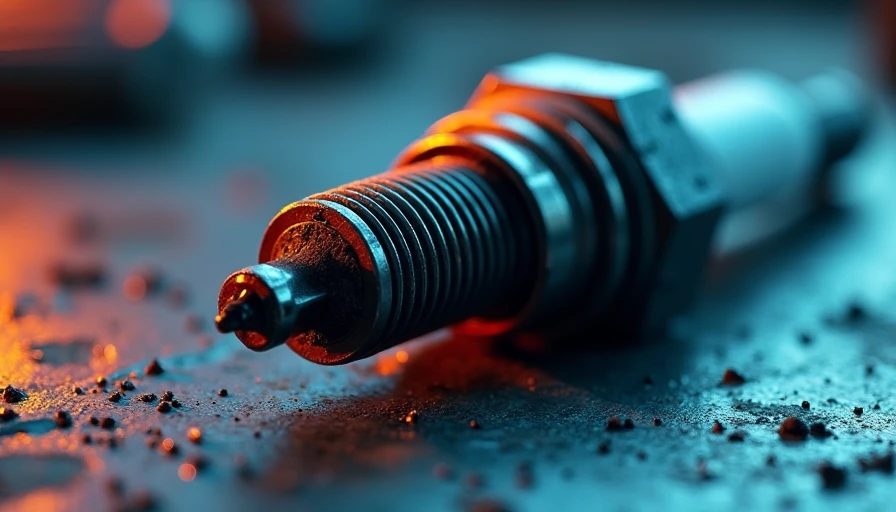
- **Spark plug or ignition coil failure** – Worn spark plugs, cracked spark plug wires, or a faulty coil can prevent ignition.
- **Fuel delivery problems** – Clogged fuel injectors, a weak fuel pump, or a dirty fuel filter starve the cylinder.
- **Vacuum leaks** – A cracked intake gasket or vacuum hose allows unmetered air into the cylinder.
- **Compression loss** – Worn piston rings, burnt valves, or a blown head gasket reduce cylinder pressure.
- **Fluid contamination** – Coolant or oil entering the combustion chamber can cause misfires.
Here's the chemistry, here's the spec, here's what to do with it: the most overlooked contributor is fluid contamination. Let's explore that further.
Diagnosing a Cylinder Misfire
To diagnose a cylinder misfire, start with the basics. You'll need an OBD-II scanner to read the trouble codes. A P0300 series code (e.g., P0301 for cylinder 1) tells you which cylinder is misfiring. Then follow these steps:
- **Swap spark plugs and coils** – Move the suspected cylinder's plug and coil to another cylinder. If the code follows, replace that component.
- **Check fuel injectors** – Use a stethoscope to listen for injector clicking, or perform a fuel pressure test.
- **Inspect for vacuum leaks** – Spray carburetor cleaner around gaskets and hoses while watching RPM changes.
- **Perform a compression test** – Low compression points to rings, valves, or a head gasket issue.
- **Check fluid levels and quality** – Look for coolant in the oil (milky dipstick) or oil in the coolant (sludge in reservoir).

Fluid-Related Causes: Coolant and Oil
Fluid contamination is a classic cause of a cylinder misfire that technicians sometimes skip. Here's how it happens:
- **Coolant leaks into cylinders** – A blown head gasket or cracked cylinder head allows coolant to enter the combustion chamber. Coolant does not compress well and fouls the spark plug, causing a misfire. The telltale sign is white smoke from the exhaust and a sweet smell.
- **Excessive oil in the combustion chamber** – Worn valve stem seals or piston rings let oil seep past. A small amount of oil can carbonize on spark plugs, leading to misfires. You might see blue smoke under acceleration.
**Reference Box:** Engine oil viscosity and quality matter. Using the wrong SAE grade can accelerate ring wear. Always follow the owner's manual specification. API SP-rated oils provide better deposit control.
If your customer asks, the one-line answer is: "Coolant or oil entering the cylinder disrupts the air-fuel ratio and fouls the spark plug."
When to Seek Professional Help
While many cylinder misfire causes are DIY-friendly, some require a shop. Compression loss from a burnt valve or head gasket replacement is labor-intensive. If you've ruled out plugs, coils, and fuel delivery, it's time to consult a mechanic. Also, a flashing check engine light means unburned fuel is entering the catalytic converter, which can destroy it – pull over and get it towed.
Preventing a Cylinder Misfire
Prevention comes down to regular maintenance:
- Replace spark plugs and wires per the manufacturer's schedule (typically every 30,000–60,000 miles for copper plugs, 100,000 for iridium).
- Use quality fuel and replace fuel filters every 30,000 miles.
- Check coolant condition and replace it every 2–5 years depending on the type (OAT or HOAT). Coolant that is acidic can eat gaskets.
- Change oil and filter on time. Sludge from old oil can clog VVT solenoids or oil control rings, leading to misfires.
Common Questions About Cylinder Misfires
**Q: Can a cylinder misfire damage the catalytic converter?**
A: Yes. A misfire sends unburned fuel into the exhaust, which can overheat and ruin the catalytic converter. That's a costly repair—often $1,000 or more. Fix the misfire promptly.
**Q: Is it safe to drive with a cylinder misfire?**
A: Not if the check engine light is flashing. That indicates severe misfire and potential converter damage. Drive gently to a shop or have it towed. A steady light with a minor misfire may be okay for short trips, but address it soon.
**Q: Can bad fuel cause a cylinder misfire?**
A: Absolutely. Water-contaminated fuel or low octane grade can cause knocking and misfire. Draining the tank and refilling with correct fuel often solves it.
**Q: How much does it cost to fix a cylinder misfire?**
A: Costs vary widely. A spark plug change might run $100–$300. Coil packs add $200–$600. Head gasket repairs can be $1,500–$3,000. Diagnosis first saves money.
Summary
A cylinder misfire is a clear sign something is wrong. Start with the simple ignition and fuel checks, then move to compression and fluid contamination. Remember that coolant and oil leaks into cylinders are serious and often require head gasket or ring work. Regular fluid maintenance – using the correct API-rated oil and proper coolant – can prevent many misfire causes down the road.
If you have lingering questions, drop them in the comments or bring the car to a trusted shop. Keeping your fluids clean is one of the cheapest ways to avoid a cylinder misfire.



No comments yet — be the first to share a thought.