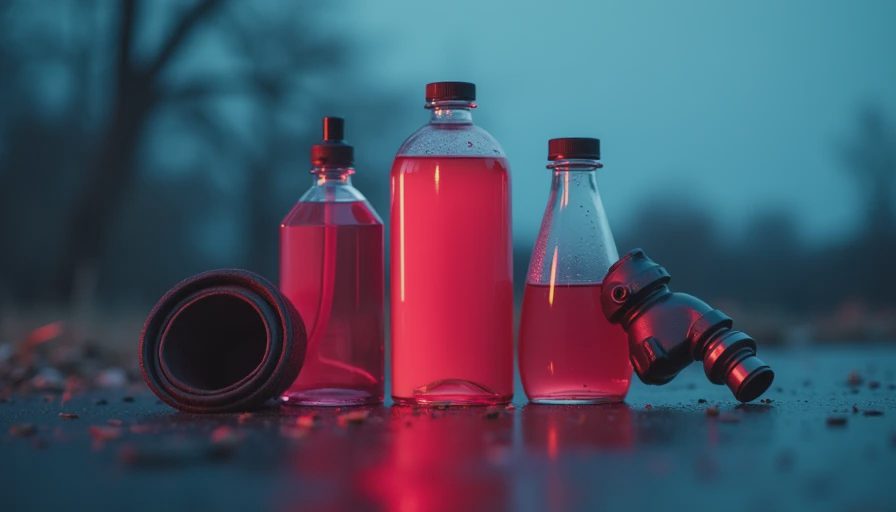
If you work on modern diesel trucks or equipment, you've probably been asked about diesel exhaust fluid more times than you can count. Here's the chemistry, the spec, and what to do with it. After this post, you'll be able to answer the common questions: What is it? How does it work? And how do you keep it from causing problems?
Diesel exhaust fluid (DEF) is a solution of 32.5% high-purity urea in deionized water. It's injected into the exhaust stream of SCR (Selective Catalytic Reduction) systems to convert nitrogen oxides (NOx) into harmless nitrogen and water. The grade is defined by ISO 22241 standard, which specifies purity levels to prevent catalyst poisoning.
**Reference Box:** The spec that decides it is ISO 22241. If the fluid meets that, it will work in any SCR system designed for DEF. Brand doesn't matter—purity does.
Now, I've heard more than one parts counter story about customers buying the wrong fluid. So let's break down the key points.
The Chemistry of Diesel Exhaust Fluid
The 32.5% urea concentration isn't arbitrary. That's the eutectic point of the urea-water mixture, meaning it has the lowest freezing point—about 12°F (-11°C). Below that, it starts to freeze, but the freezing doesn't damage the fluid; it can be thawed and used if it hasn't been contaminated. The deionized water is critical: tap water contains minerals that can foul the SCR catalyst. That's why you never use anything but ISO-certified fluid.
Urea itself is a synthetic compound derived from natural gas. It's the same stuff used in agricultural fertilizers, but the purity requirements are much tighter for DEF. Contaminants like calcium, magnesium, and phosphates can permanently damage the SCR system, leading to thousands of dollars in repairs. I've seen a fleet get hit with a $4,000 repair bill because someone topped off with water instead of DEF.
Storage and Handling Best Practices
DEF is sensitive to temperature and contamination. Store it between 12°F and 86°F. Above 86°F, it starts to degrade, producing ammonia that can cause a pungent odor and reduced effectiveness. Avoid direct sunlight and keep containers sealed. The shelf life is typically about one year when stored properly, but that drops to six months in warmer conditions. Bulk tanks should be kept in climate-controlled areas to prevent degradation.
Use only dedicated containers for DEF. Once a container has held other fluids, even fuel or coolant, trace amounts can contaminate the DEF and ruin the catalyst. I recommend labeling clearly and buying DEF in sealed, original containers whenever possible. Many suppliers like BlueDEF and Peak offer jugs in convenient sizes from 1 gallon to 2.5 gallons. You'll pay around $3 to $5 per gallon at most truck stops and auto parts stores, but bulk tanks at fleet facilities can reduce that to under $2 per gallon.

Common Mistakes and How to Avoid Them
The most common mistake is using non-certified DEF. I've had students show me "cheap" alternatives from hardware stores that caused immediate check engine lights. Another is letting the fluid get too hot: if your truck's DEF tank is near a heat source, consider insulating the lines or parking in the shade. Freezing is less of a problem because the system is designed to thaw it, but if the fluid freezes solid and expands, it can crack the tank in rare cases.
A frequent question: "Can I mix different brands of DEF?" Yes, as long as both are ISO 22241 certified. The chemistry is identical. But if you're not sure, it's safer to stick with one brand. I've also seen people add DEF to a full tank, causing overflow into the purge line. That can lead to crystallization and blockage. Always check the gauge first.
Disposal and Safety Considerations
DEF is non-hazardous and biodegradable, but it's not good for the environment in large quantities. Never pour it down drains or onto the ground. If you have leftover DEF, use it in another vehicle or dispose of it at a hazardous waste collection center that accepts automotive fluids. Some auto parts stores, like O'Reilly and AutoZone, accept used DEF for recycling; call ahead to confirm. The urea content can contribute to algal blooms in waterways.
Safety-wise, DEF is a mild irritant. Avoid skin contact and inhalation of mist. If you spill it on painted surfaces, rinse with water promptly; it can damage paint if left to dry. Wear gloves and safety glasses when handling large containers. Most automotive product safety data sheets will give you the full picture.
Troubleshooting DEF-Related Warnings
Modern trucks throw warnings for low DEF level, poor quality, or system malfunction. The "Check Engine" light with a DEF code often means the concentration is off. Use a refractometer to test the urea concentration. It should be exactly 32.5% at 68°F. If it's lower, someone added water; if higher, the urea crystallized. Either way, drain and replace with fresh diesel exhaust fluid.
A "DEF quality" warning can also come from a faulty NOx sensor. Before replacing the fluid, have the sensor checked. I've seen shops charge $200 to diagnose a sensor when the fluid was fine. Know your equipment: the sensor costs around $150 for most models, plus labor. Also, if the DEF heater fails, the fluid won't thaw in cold weather. That's a separate circuit; check the resistance on the heater element per the service manual.
Summary
To summarize: diesel exhaust fluid is straightforward if you follow the specs. Use ISO 22241-certified product, store it cool and dry, and avoid contamination. That's it. If a customer asks you the one-line answer: "It's 32.5% pure urea in deionized water, and it has to meet ISO 22241 to work properly."



No comments yet — be the first to share a thought.