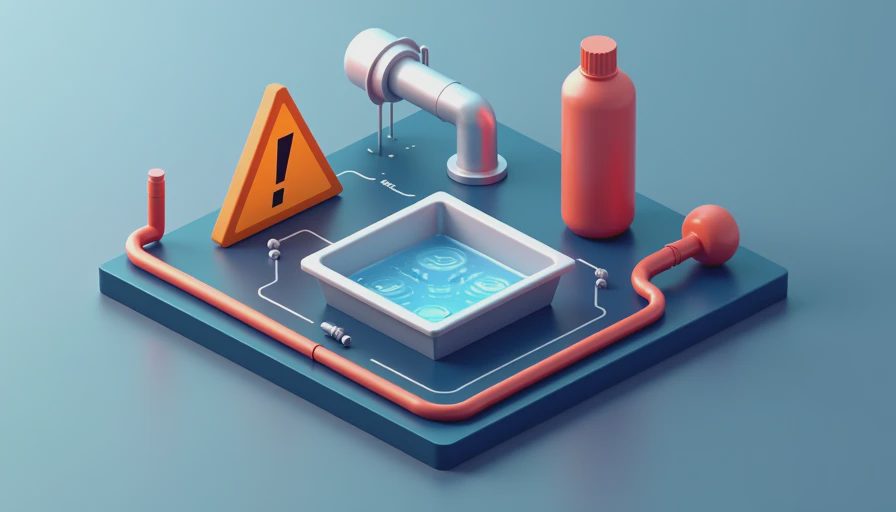
Mixing incompatible coolant types—like green conventional with orange OAT—can turn your cooling system into a chemistry experiment gone wrong. If you've already done it, flushing coolant after mixing wrong types is the only reliable fix. Here's the chemistry, the spec, and the procedure to get your system back to safe operation.
**Reference Box:** Incompatible coolants can form gel or sediment that clogs heater cores, radiators, and water pump passages. ASTM D3306 and D4985 specify additive packages that don't play well together.
Why Mixing Coolant Types Causes Problems
Coolant formulations rely on specific inhibitor packages to protect against corrosion and cavitation. Green coolant (conventional IAT) uses silicates and phosphates. Orange (OAT) uses organic acids. When you combine them, the silicates can drop out of solution, forming a gel-like sludge. This isn't a slow process—within hours of mixing, the fluid can turn cloudy and thick. Over time, the gel deposits restrict flow and insulate heat transfer, leading to overheating and component failure. The result? Expensive repairs that could have been prevented by a proper flush.
How to Know You've Mixed Incompatible Coolants
If you've topped off with a different color than what was already in the system, or if the previous owner wasn't careful, you might have a mixture. Signs include:
- Cloudy or milky appearance when you dip a clean stick into the reservoir.
- Thick or sludgy residue on the radiator cap or overflow tank.
- Overheating that wasn't there before, especially at idle.
- Heater performance that drops off suddenly.
**Reference Box:** Most modern coolants are dyed intentionally—green, orange, blue, pink. Color alone isn't a guaranteed indicator, but it's your first clue. If the fluid is anything other than the original spec, assume incompatibility.
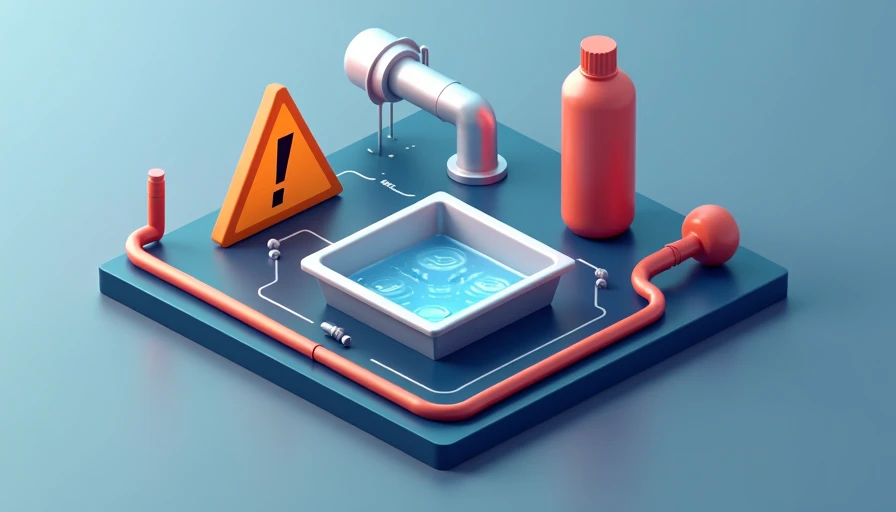
The Flushing Procedure: Step by Step
Before you start, gather: distilled water, a drain pan, a funnel, safety glasses, and gloves. You'll also need the correct coolant for recharge. Here's the sequence:
- **Drain the system.** With the engine cold, open the radiator drain cock and remove the reservoir cap. Drain into a container. Dispose of old coolant properly—it's toxic to pets and wildlife.
- **Fill with distilled water.** Close the drain, add distilled water through the radiator neck. Run the engine with the heater on full for 10-15 minutes to cycle the water through the block and heater core.
- **Drain again.** Repeat step 1. If the drained water is still cloudy or colored, repeat the fill-and-drain cycle until clear. Two to three cycles are typical.
- **Final flush with cleaning agent (optional).** If you see heavy scale or rust, use a chemical flush like Prestone Radiator Flush. Follow the label instructions, then drain and rinse with distilled water.
- **Refill with proper coolant.** Use the type specified by your vehicle manufacturer—check the owner's manual or a trusted online database. A 50/50 mix with distilled water is standard, but some OEMs require pre-diluted or special blends.
**Reference Box:** Tap water contains minerals that can form deposits. Always use distilled water for the final fill. ASTM D1193 Type IV water is ideal.

Choosing the Right Coolant for Recharge
Once the system is flushed, you need the correct coolant. If your vehicle uses OAT (orange), stick with a long-life OAT formulation like Dex-Cool or an equivalent. For HOAT (yellow or pink), use a hybrid formula that meets your manufacturer's specification (e.g., Ford WSS-M97B44-D). Ignoring this step defeats the purpose of flushing coolant after mixing wrong types—you'll be back to square one.
**Reference Box:** The additive package is what matters, not the color. Always buy coolant that lists your OEM spec on the bottle. If the label says "all makes/models" without listing a spec, it's probably a low-quality universal that won't provide adequate protection.
Safety and Disposal Considerations
Coolant is hazardous waste. Ethylene glycol is sweet-tasting but deadly to pets and children. Never pour old coolant down a storm drain, into the ground, or into a septic system. Collect it in sealed containers and take it to a local auto parts store, recycling center, or hazardous waste facility. Many shops accept it for free. Also, avoid skin contact; wear gloves when handling used coolant.
**Reference Box:** The EPA regulates used coolant as hazardous waste (40 CFR 261.22) if it contains certain metals. Even if it doesn't, it's still toxic and must be handled responsibly.
FAQ: Common Questions About Coolant Mixing
**Q: Can I drive with mixed coolants temporarily?**
A: Only if you flush immediately. Driving with gel-forming coolants can cause overheating and damage within weeks. A short trip to the parts store is okay if the engine isn't overheating.
**Q: How do I know if my coolant is mixed?**
A: A refractometer reading or test strip can confirm the freeze point and condition, but if you ever topped off with a different color, assume mixing occurred.
**Q: Is a vinegar flush safe?**
A: Not recommended. Distilled water or a dedicated chemical flush are safer. Vinegar can damage seals and aluminum components.
Flushing coolant after mixing wrong types isn't complicated, but it demands attention to detail. Use the right procedure, the right coolant, and dispose of waste properly. Your cooling system—and your wallet—will thank you.



No comments yet — be the first to share a thought.