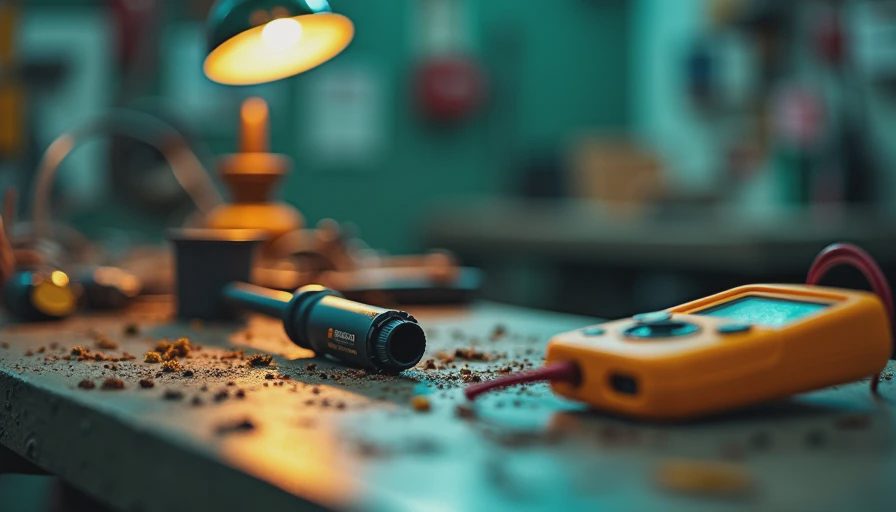
If you're chasing a rough idle, poor fuel economy, or a check engine light, one of the first things I tell my students to look at is the mass airflow (MAF) sensor. The **maf sensor symptoms dirty or failing** can mimic a dozen other problems, and I've seen techs throw parts at a car for weeks when the real issue was a $15 can of cleaner. Here's the chemistry, here's the spec, here's what to do with it.
What Is a MAF Sensor and Why It Matters
The MAF sensor sits between the air filter and the throttle body. It measures the mass of air entering the engine and sends that data to the ECU, which then calculates the correct fuel trim. A clean, functioning MAF sensor is critical for the air-fuel ratio. When it gets dirty or fails, the ECU gets false readings, and you get the **maf sensor symptoms dirty or failing** that drive everyone crazy. Most MAF sensors use a hot-wire or hot-film element that heats up; air flowing past cools it, and the sensor measures the current needed to maintain temperature. Contaminants like oil, dirt, or silicone from gaskets insulate that wire and throw off the reading.
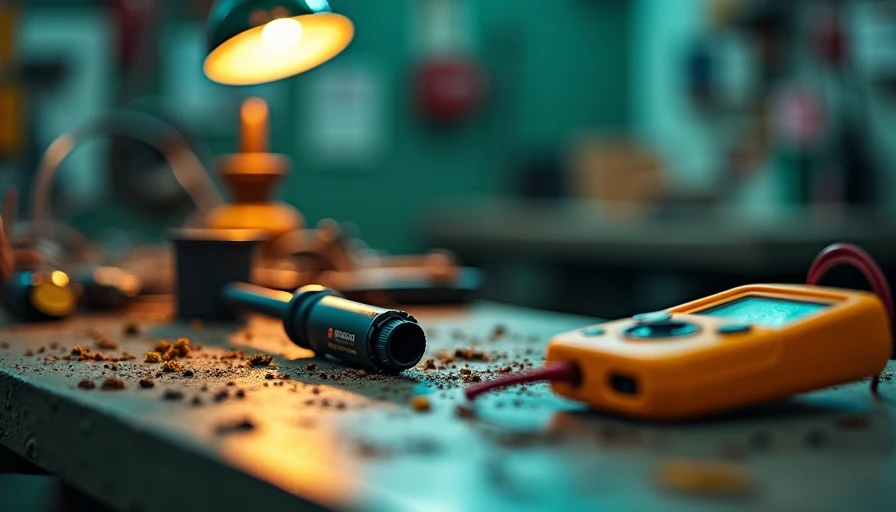
Common MAF Sensor Symptoms (Dirty or Failing)
Here are the most frequent **maf sensor symptoms dirty or failing** that you'll see on the scan tool and behind the wheel:
- **Rough idle or stalling** – The ECU gets a low airflow reading and cuts fuel, causing a lean condition. The engine hunts or dies at stoplights.
- **Poor acceleration** – Hesitation when you step on it, especially from a stop. The sensor may report less air than actually entering, so the engine feels sluggish.
- **Check engine light** – Codes P0100 through P0103 are common for MAF circuit issues. P0101 is the classic "MAF sensor performance" code.
- **Black smoke from exhaust** – If the MAF reports more air than present, the ECU adds too much fuel, creating a rich condition. You'll see black soot and smell raw gas.
- **Hard starting** – The engine cranks longer than usual because the ECU is guessing the air-fuel mix.
I've seen these symptoms on everything from a 2010 Toyota Corolla to a 2018 Ford F-150. The tricky part is that they overlap with vacuum leaks, O2 sensor failures, and fuel pressure issues. That's why a proper diagnosis matters.
How to Diagnose a MAF Sensor Issue
Before you grab a new sensor, rule out the obvious. Here's my shop-tested workflow:
- **Check the air filter and intake tube** – A clogged filter or a crack after the MAF can cause similar symptoms. Replace the filter and inspect the rubber boot.
- **Scan for codes** – Write down all codes. If you see P0101, P0102, or P0103, the MAF is suspect. Also look for lean or rich codes (P0171, P0174).
- **Monitor live data** – With a scan tool, read the MAF frequency (Hz) or grams per second (g/s). At idle, a typical 4-cylinder reads 2–5 g/s; a V8 reads 4–8 g/s. If the number is way off or doesn't change when you rev, the sensor is likely dirty or failing.
- **Perform a visual inspection** – Remove the sensor and look at the wire or film. If you see black soot, oil film, or fuzzy debris, it's dirty. A clean element should look bright and smooth.
**Reference Box:** The MAF sensor's hot-wire operates at about 200°C. Any contamination reduces its ability to shed heat, causing a low airflow signal. That's the chemistry behind the symptom.
Cleaning vs. Replacement: When to Do Which
Not every **maf sensor symptoms dirty or failing** scenario requires a new sensor. If the sensor element is merely coated with oil or dirt, cleaning often restores proper function. I've personally cleaned hundreds of sensors that came back to life. But if the sensor is physically damaged—broken wire, bent film, or corrosion on the connector pins—you need to replace it.
Here's a quick rule of thumb:
- If the element looks dirty but intact: **clean it**.
- If cleaning doesn't fix the symptom or the element looks damaged: **replace it**.
- If the car has more than 100,000 miles and the MAF has never been cleaned or replaced, consider replacement anyway. The wire can fatigue over time.

How to Clean a MAF Sensor (Step-by-Step)
Cleaning a MAF sensor is straightforward, but you have to use the right chemistry. Standard brake cleaner or carburetor cleaner can destroy the sensor's coating. Use a dedicated electronics cleaner or a specific MAF sensor cleaner. I've used CRC Mass Air Flow Sensor Cleaner for years—it's safe and effective.
**Steps:**
- Disconnect the battery negative terminal. This prevents accidental shorts and resets the ECU.
- Unplug the electrical connector and remove the sensor from the intake duct. Most are held by two screws (T20 Torx or Phillips).
- Spray the cleaner onto the element from about 6 inches away. Do not touch the wire or film with anything. Let the cleaner evaporate completely (about 10 minutes).
- Reinstall the sensor, reconnect the battery, and start the engine. Let it idle for a few minutes to let the ECU relearn idle trim.
- Take a test drive. If symptoms persist, move to replacement.
**Safety note:** Wear gloves. The cleaner can irritate skin. Dispose of the used can per local hazardous waste rules.
When to Replace the MAF Sensor
If cleaning doesn't resolve the **maf sensor symptoms dirty or failing**, replacement is the next step. Genuine OEM sensors from brands like Bosch, Denso, or Hitachi cost $80–$250 for most vehicles. Aftermarket sensors from Spectrum or Standard Motor Products run $40–$100. I usually recommend OEM for domestic and Asian cars; aftermarket can work for older vehicles, but I've seen some that cause erratic readings on newer ECMs.
**Installation tips:**
- Always replace the air filter at the same time. A dirty filter can contaminate a new sensor quickly.
- Use dielectric grease on the connector pins to prevent corrosion.
- Clear the codes and perform a relearn procedure if required (most cars do this automatically after a few drive cycles).
Final Thoughts on MAF Sensor Symptoms Dirty or Failing
When you encounter **maf sensor symptoms dirty or failing**, start with the simplest fix: clean it. In my classroom, we always emphasize that diagnostics should be guided by data, not guesswork. A $15 can of cleaner and 20 minutes of labor can save you hundreds. If cleaning doesn't work, a replacement sensor is still far cheaper than swapping out fuel injectors or oxygen sensors based on a misdiagnosis.
Remember, the MAF sensor is a precision instrument. Keep the intake system clean, change your air filter regularly, and you'll rarely deal with these issues. Here's the chemistry, here's the spec, here's what to do with it.



No comments yet — be the first to share a thought.