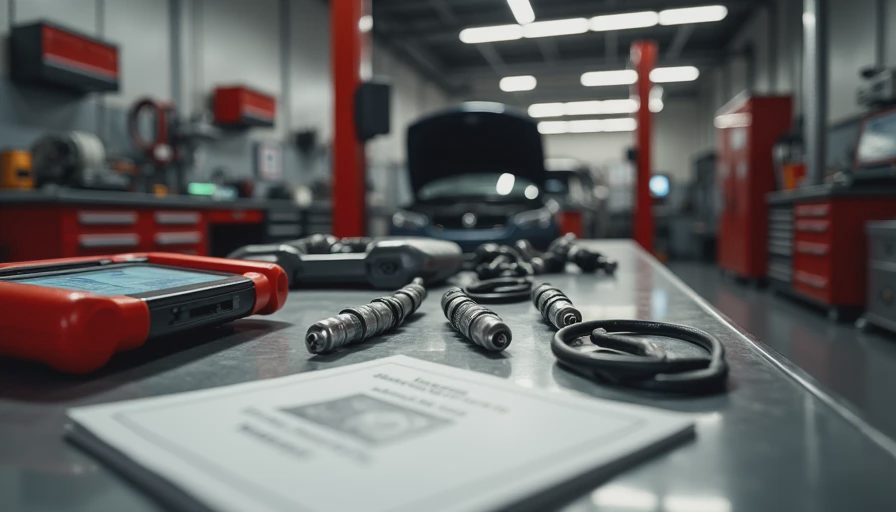
If you've pulled a P0171 code from your OBD-II scanner, you're facing a lean condition on Bank 1 of your engine. This means the air-fuel mixture has too much air or too little fuel. Ignoring it can lead to poor performance, reduced fuel economy, and even engine damage. In this guide, I'll break down the chemistry behind the code, the most common causes, and the step-by-step process to diagnose and fix P0171.
**Reference Box:** P0171 is a generic powertrain code defined by SAE J2012. It indicates "System Too Lean (Bank 1)" — Bank 1 is the side of the engine containing cylinder #1.
What Is the P0171 Code?
P0171 is triggered when the oxygen sensor (or air-fuel ratio sensor) on Bank 1 reports a lean mixture for an extended period. The engine control module (ECM) tries to compensate by adding fuel trim, but if the correction exceeds a threshold (typically 20-25%), the code sets. A lean mixture can cause misfires, hesitation, and increased exhaust temperatures. On the chemistry side, a lean burn produces more nitrogen oxides (NOx) and can lead to detonation. The key spec to remember: the stoichiometric air-fuel ratio for gasoline is 14.7:1. When P0171 is active, that ratio is leaning out beyond 16:1.
Common Causes of P0171
Several issues can trigger P0171. The most frequent suspects include:
- **Vacuum leaks:** Any crack or loose hose after the mass air flow (MAF) sensor admits unmetered air.
- **MAF sensor contamination:** A dirty or failing MAF sensor underreports incoming air, causing the ECM to deliver insufficient fuel.
- **Fuel delivery problems:** Weak fuel pump, clogged fuel filter, or dirty injectors reduce fuel pressure or volume.
- **Oxygen sensor failure:** A faulty O2 sensor can send false lean signals.
- **Exhaust leaks:** Upstream of the O2 sensor, an exhaust leak can draw in outside air and make the mixture appear lean.
Symptoms of a P0171 Lean Condition
You'll often notice these symptoms before the check engine light comes on:
- Rough idle or stalling
- Hesitation or surging during acceleration
- Poor fuel economy
- Engine misfire (especially at idle)
- Strong smell of unburnt fuel (oddly, lean can cause misfire which leaves fuel unburned)
- Reduced power
How to Diagnose P0171 Step by Step
Here's the procedure I teach my students. Follow this order to avoid throwing parts at the problem.
- **Check for other codes:** Look for P0174 (lean on Bank 2) — that points to a common intake leak or MAF issue. P0300 series misfire codes may also appear.
- **Inspect for vacuum leaks:** Visual check of all vacuum hoses, the intake manifold gasket, and the PCV system. Use a propane torch (unlit) or brake cleaner spray to locate leaks by listening for RPM changes.
- **Clean the MAF sensor:** Remove the MAF sensor and spray it with MAF cleaner. Do not touch the wires. Reinstall and clear codes. Recheck.
- **Check fuel pressure:** Connect a fuel pressure gauge. Typical specs are 40-60 psi depending on the vehicle. Low pressure points to pump or filter.
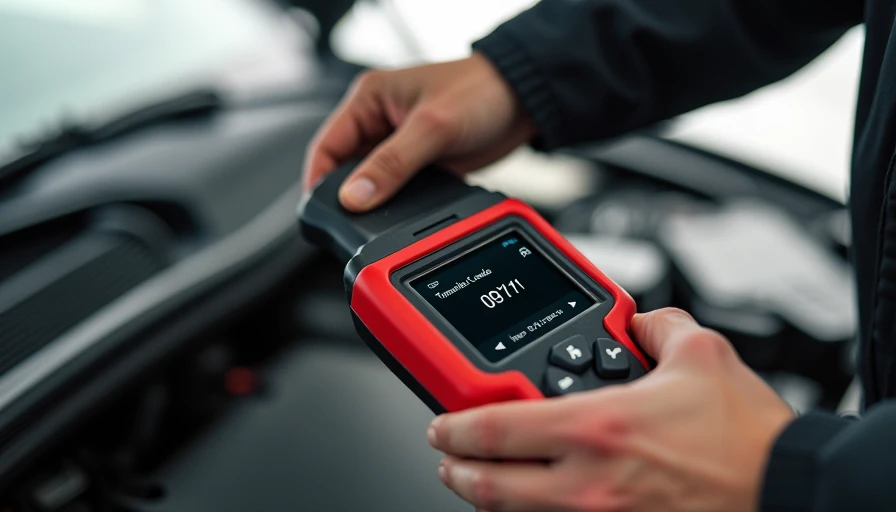
- **Test oxygen sensors:** Use a scan tool to watch the O2 sensor voltages. A healthy sensor toggles between 0.1V (lean) and 0.9V (rich). A lazy sensor stuck near 0.45V can cause P0171.
- **Check for exhaust leaks:** Inspect the exhaust manifold gasket and connections upstream of the O2 sensor.
How to Fix P0171 (and Estimated Costs)
After diagnosis, repair is straightforward:
- **Replace a vacuum hose or gasket:** $10-$50 plus labor if you're not DIY.
- **Clean/replace MAF sensor:** Cleaner costs $8, replacement sensor $80-$200.
- **Replace fuel filter:** $20-$50.
- **Replace fuel pump:** $200-$600.
- **Replace O2 sensor:** $50-$200 per sensor.
- **Professional smoke test for leaks:** $100-$150 if you don't do it yourself.
Can You Drive with a P0171 Code?
Short-term, yes, but it's not recommended. A lean condition can cause engine knocking, overheating, and catalyst damage. If you must drive, keep RPMs low and avoid heavy loads. Get it diagnosed as soon as possible.
P0171 vs P0174: What's the Difference?
Both codes indicate a lean condition. P0171 is for Bank 1; P0174 is for Bank 2. If both are present together, the issue is likely a large vacuum leak, a dirty MAF sensor, or a weak fuel pump affecting both banks. If only one bank is lean, focus on that side's oxygen sensor, intake gasket, or injector.
Frequently Asked Questions About P0171
**Q: Can a dirty air filter cause P0171?**
A: Yes, but it's less common than vacuum leaks. A severely clogged air filter restricts airflow, creating a lean condition. It's a quick and inexpensive check — replace it if dirty.
**Q: Does P0171 always mean a vacuum leak?**
A: No. While vacuum leaks are the most frequent cause, P0171 can also stem from a MAF sensor issue, fuel delivery problem, or even a faulty oxygen sensor. That's why following the diagnostic steps above is crucial.
**Q: How much does it cost to fix P0171 at a shop?**
A: It varies widely based on the root cause. A simple vacuum hose repair might run $100-$150, while a fuel pump replacement can cost $500-$800. Diagnostic fees typically range from $100 to $200.
Conclusion
P0171 is a common code that signals a lean mixture on Bank 1. With the right diagnostic approach — starting with a thorough vacuum leak check and MAF sensor cleaning — you can often resolve it without a trip to the shop. The key is methodical testing, not guesswork. Here's the chemistry, here's the spec, here's what to do with it.
If your customer asks, the one-line answer: "P0171 means the engine's running lean on Bank 1. Start with a smoke test for vacuum leaks."



No comments yet — be the first to share a thought.