If you've ever had a customer ask about oil starvation on a track car or wondered why a high-performance engine has a remote oil tank, you're dealing with the fundamental choice in oiling system design: wet sump vs dry sump. After this post, you'll be able to explain the differences, identify which system is on the vehicle in front of you, and recommend the right approach for a given application.
What Is a Wet Sump System?
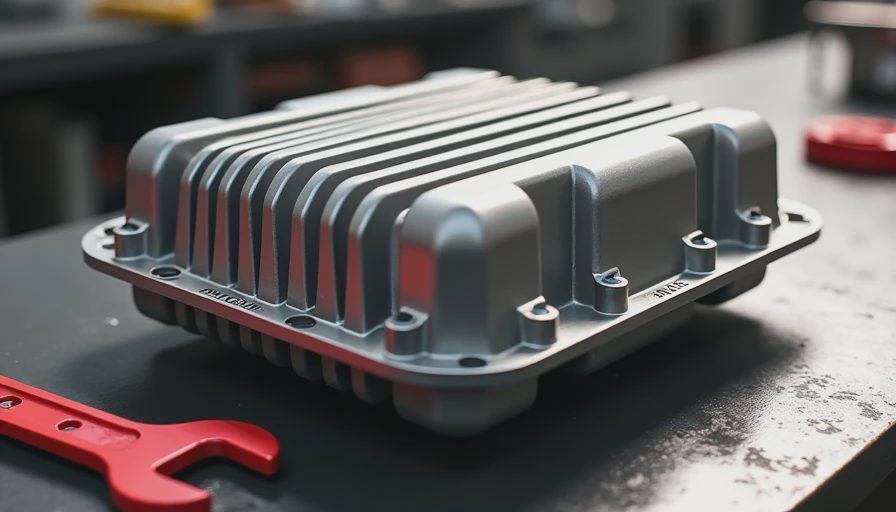
A wet sump system is what you'll find on nearly every production car on the road. The oil is stored in a pan at the bottom of the engine, and a single pump draws oil from the pan, pushes it through the engine, and lets it drain back by gravity. Simple, cheap, and reliable for the vast majority of street-driven cars. The pump is almost always a gear-type or gerotor design mounted inside the pan or on the engine block.
The main limitation of a wet sump is oil control under high cornering, braking, or acceleration. When the oil sloshes away from the pickup, pressure drops can lead to bearing damage. That's why you'll see baffles, trap doors, or windage trays in performance-oriented wet sump pans—they help keep the pickup submerged.
What Is a Dry Sump System?
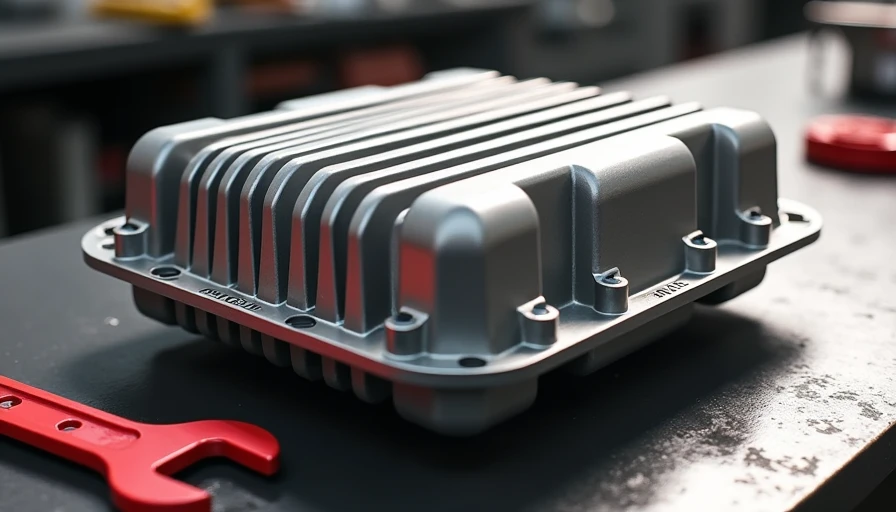
A dry sump system uses an external oil tank and one or more scavenge pumps to pull oil out of the pan and send it to the tank. The engine holds almost no oil while running; the tank holds the reserve. A separate pressure pump draws from the tank and feeds the engine. This setup is common in racing, high-end sports cars, and some heavy equipment.
**Reference Box:** The key spec number for any dry sump system is the scavenge pump volume—it must exceed the pressure pump volume by at least 20% to prevent sump flooding. Most performance dry sump systems run a 2:1 or 3:1 scavenge-to-pressure ratio.
Dry sump offers several advantages: consistent oil pressure under extreme G-forces, lower oil temperature thanks to higher volume and external tank cooling, reduced windage (the crankshaft isn't whipping through an oil bath), and more ground clearance because the pan can be shallow. The trade-offs are complexity, cost, and additional weight. A complete dry sump system can add $2,000 to $5,000 to an engine build.
Wet Sump vs Dry Sump: Key Differences at a Glance
Here's the chemistry, here's the spec, here's what to do with it. When comparing wet sump vs dry sump, the most important differences are:
- **Oil capacity:** Wet sump typically holds 4–8 quarts; dry sump often holds 10–15 quarts or more.
- **Oil pressure stability:** Wet sump can fluctuate; dry sump maintains near-constant pressure.
- **Aeration:** Wet sump allows air entrainment from the crankshaft hitting the oil; dry sump separates air in the tank.
- **Maintenance:** Wet sump oil changes are straightforward; dry sump requires draining the tank and the pan, and filling the tank through a separate cap.
- **Cost:** Wet sump parts are inexpensive; dry sump pumps, tanks, and plumbing add significant expense.
If your customer asks, the one-line answer is: "If they drive on the street, stick with wet sump. If they track the car seriously or build a dedicated race engine, dry sump is the upgrade."

How to Choose Between Wet Sump and Dry Sump
The decision comes down to application. For a daily driver that never sees a racetrack, wet sump is the right choice. It's what every production engine uses, and modern baffled pans and high-volume oil pumps handle most street demands. For a weekend autocross car, a quality wet sump pan with a windage tray and a deepened sump is often enough.
For a full‑time race car—especially one with slicks and high downforce—the investment in a dry sump system pays off in reliability. I've seen engines survive sustained 1.5g sweeps without a hint of oil pressure drop. That's simply not possible with a wet sump without extreme modifications.
Maintenance and Installation Considerations
**Wet sump:** Use the correct viscosity per the OEM spec. Overfilling can cause windage and aeration; underfilling risks starvation. Check the level on a level surface, with the engine off.
**Dry sump:** After an oil change, you must prime the system. Fill the tank, start the engine briefly, stop, add more oil, repeat until the level stabilizes. Many dry sump systems have a sight glass on the tank. Always check the level with the engine running at idle—the oil is circulating, so the tank level is lower than when off.
Final Thoughts
This is one of those topics where understanding the principles—not just memorizing which car has which—makes you a more effective technician. If you deal with performance builds, get familiar with the plumbing and the pump curves. The next time a customer brings in a track car with a remote tank, you'll know exactly what you're looking at.
Remember, wet sump vs dry sump isn't a matter of good vs bad; it's about matching the oil system to the job. For the street, keep it wet. For the track, get it dry.




No comments yet — be the first to share a thought.