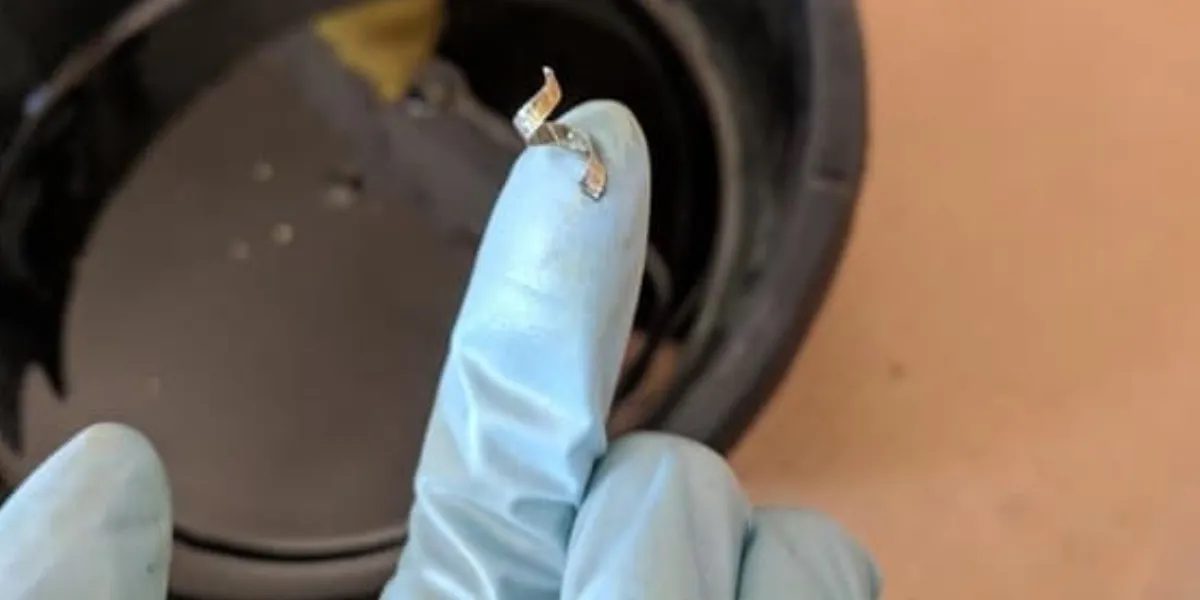
Discovering metal shavings in engine oil is a serious issue that demands immediate attention. Beyond signaling internal engine damage, these particles degrade oil quality and compromise its ability to lubricate effectively. Understanding the root causes behind metallic debris gives you valuable insight into your engine's condition and allows you to address the problem before it escalates. Here is a closer look at why metal shavings end up in engine oil and what you can do to prevent this damaging situation.
Although some degree of engine wear is expected as a vehicle ages, the presence of metal shavings in your oil typically indicates that deterioration has accelerated well beyond a normal rate.
These particles generally originate from components that endure heavy friction during engine operation, including bearings, camshafts, pistons, and rods. These parts absorb the majority of mechanical forces while the engine runs. If metal shavings turn up in your oil, assessing the age and condition of these components should be among your first troubleshooting steps. Pinpointing the exact source of the shavings, however, usually requires diagnostic testing performed by qualified professionals.
The oil filter serves as your engine oil's primary line of defense against contamination. Its function is to trap contaminants and small debris particles before they can circulate through the engine and cause harm.
A properly functioning oil filter prevents metal fragments and fine particles from compromising your oil's lubricating quality. Trouble arises, however, when a filter reaches the end of its service life or is of insufficient quality from the start. An old or substandard filter loses its filtering capability and allows metallic debris and other contaminants to pass through the filtering media unchecked. Once loose in the oil, these particles accelerate component wear and put critical engine parts at risk. For this reason, investing in high-quality oil filters and adhering to the manufacturer's recommended replacement intervals is essential.
Metal shavings do not always originate from within the engine itself. In some cases, these problematic particles enter the oil system from external sources. Machining engine components during a rebuild or repair, for instance, can generate metallic fragments.
Even when experienced technicians take care to remove all such debris, some shavings may be inadvertently left behind and eventually contaminate the oil. Similarly, adding fresh motor oil or performing engine repairs creates opportunities for foreign material to enter the system. Using a contaminated funnel, unclean tools, or an improperly cleaned oil container can introduce metal fragments into the engine oil. While this scenario does not necessarily mean the engine itself is damaged, it remains a serious concern. External shavings are capable of causing the same harm as internally generated ones, and failing to address them promptly can hasten engine deterioration.
Insufficient oil levels or the use of an incorrect oil type can undermine both engine performance and the lubrication system. The resulting increase in friction over time causes accelerated wear, raising the likelihood that metal shavings will accumulate in your oil.
Inadequate lubrication also triggers a chain of additional problems. As friction intensifies, heat builds up within the engine, further thinning the oil and reducing its effectiveness as a lubricant. This leads to even greater wear and higher temperatures, creating conditions more likely to produce metallic debris. Breaking this cycle requires routine checks of your engine oil level and consistent use of the oil grade specified by the vehicle manufacturer.
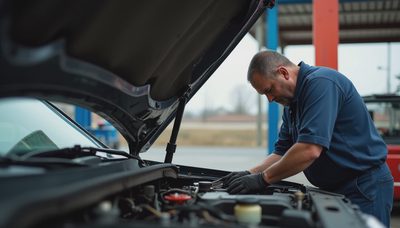
Accurately tracing the origin of metal shavings typically calls for a comprehensive engine inspection. The following diagnostic steps are commonly employed:
The presence of metal shavings in engine oil is a warning sign that warrants prompt investigation. Acting quickly to identify and resolve the underlying issue can save considerable time and expense down the road. As always, Valvoline maintains that prevention is preferable to repair. Adhering to a disciplined maintenance schedule — one that includes regular oil changes, quality oil products, and timely oil filter replacements — is one of the most effective ways to protect your engine and keep it free of harmful debris.


No comments yet — be the first to share a thought.