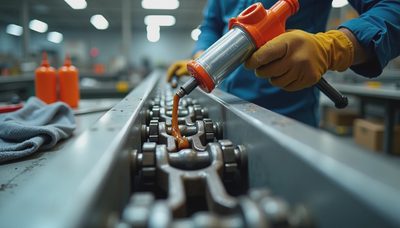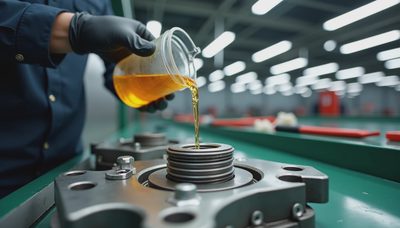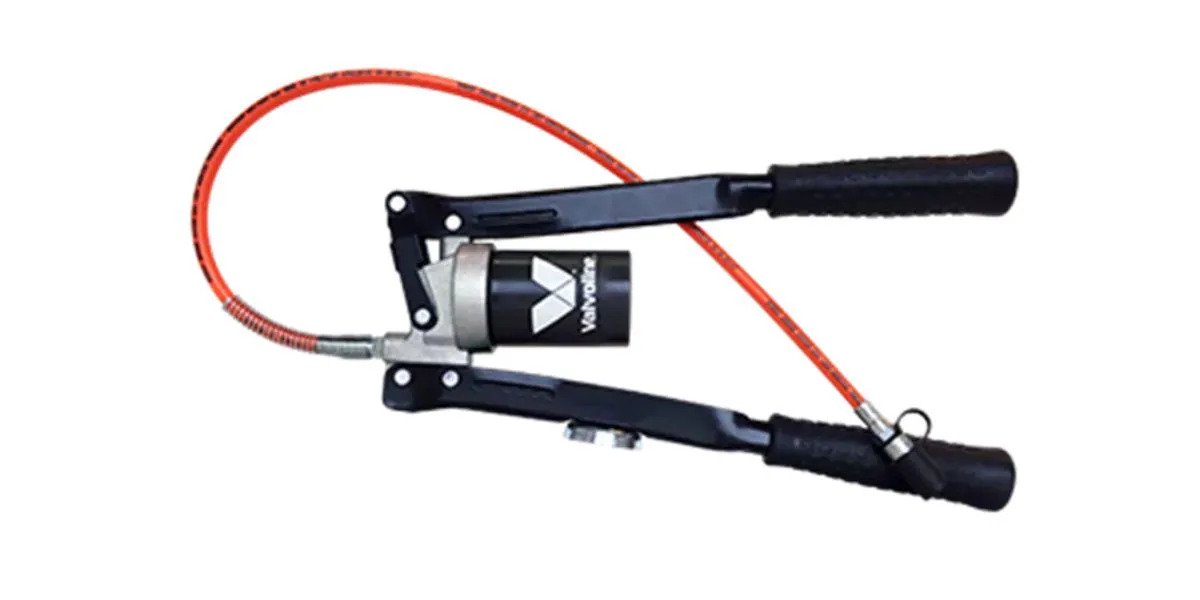
Grease applicators are purpose-built tools designed to deliver lubricant through fittings or nipples directly into specific areas of mechanical systems. Any machine with moving components — from large industrial bearings down to the small gears inside household appliances — requires regular maintenance, and using the correct tools makes all the difference. Modern grease guns are available in a wide range of configurations to suit various applications and user needs, falling into three primary categories:
Manual grease guns represent the most fundamental type, powered entirely by hand and typically suited for smaller tasks or infrequent lubrication jobs. Grease is distributed through manual pumping action, and these tools remain a popular choice due to their ease of portability and low cost.
Pneumatic grease guns, by contrast, rely on compressed air supplied by an air compressor to force grease through the tool. They are the preferred option in professional environments where high-volume, consistent lubrication is required. The continuous grease flow that pneumatic models provide reduces physical effort and improves overall efficiency during extended maintenance operations.
Electric grease guns run on battery power and are valued for the precision and control they offer. Without requiring manual effort or a connected air compressor, they deliver grease at steady pressures and volumes. Many electric models include adjustable speed settings that allow the operator to fine-tune the flow rate according to the specific demands of each task.
The answer to why grease guns exist is straightforward — they make lubrication faster, cleaner, and more effective. Most professional mechanics and maintenance technicians keep at least one in their toolbox. No other method matches a purpose-designed applicator when it comes to applying tractor grease, industrial grease, heavy-duty grease, or any other lubricant with accuracy, minimal waste, and ease of use. The widespread adoption of this tool across the industry speaks for itself.
Grease guns are a staple in garages and auto repair shops, where they help keep vehicles operating reliably. Common automotive applications include wheel bearings, chassis joints, and suspension components — all of which depend on proper lubrication to function smoothly and resist friction-related deterioration.
In the agricultural sector, grease guns are an essential maintenance tool for tractors and other farming machinery. These machines frequently operate under demanding conditions, and consistent application of high-quality tractor grease keeps them running efficiently while extending their working lifespan. Typical lubrication points include pivot joints on farm implements, PTO shafts, and any other moving parts that need regular attention to perform reliably.
Industrial lubrication professionals rely on grease applicators during the upkeep of heavy machinery and large-scale equipment. Industrial grease is applied to inhibit rust formation and reduce wear on moving components inside major manufacturing systems.
In construction and mining, grease guns are used to service heavy-duty equipment such as cranes, bulldozers, and excavators. Heavy-duty grease is essential in these applications because it is formulated to endure the extreme pressures and temperatures that are characteristic of such demanding working environments.
Keeping grease guns well maintained is critical to ensuring both their performance and their service life. After each use, the tools should be cleaned thoroughly to prevent grease buildup from causing blockages or degrading performance. This involves disassembling the gun and cleaning individual components carefully, with particular focus on the nozzle and hose where lubricant tends to accumulate and solidify.
Grease guns should be stored in a clean, dry location to guard against rust and physical damage. Routine servicing — ideally following every few uses or in line with the manufacturer's recommendations — is important for catching and correcting problems such as seal wear or leakage. Proper upkeep also preserves the quality of grease application, keeping the tool up to the operational standards demanded by various mechanical environments.
Recent advances in grease gun design include integrated LED lighting for better visibility in dimly lit workspaces, lock-on and lock-off trigger mechanisms to prevent unintended discharge, and flexible hoses engineered to reach confined or awkward locations. High-performance models are capable of operating at pressures reaching up to 10,000 PSI.
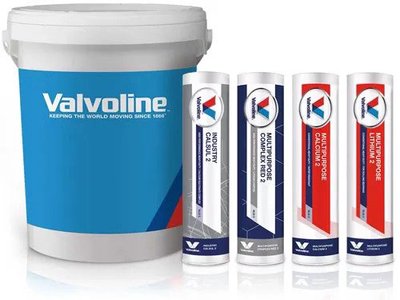
A solid understanding of the different types, use cases, and technological developments in grease guns enables mechanics and maintenance professionals to select the most appropriate tools for their lubrication tasks. As the technology continues to evolve, tools like grease guns become ever more capable, making routine maintenance more straightforward, efficient, and effective. Always pair them with premium-quality greases from Valvoline to get the most out of your equipment and protect its long-term reliability.