Understanding lubricants is a bit like learning a new language — one that speaks directly to the performance and lifespan of your engines and equipment. Yet, as with any technical discipline, gaps in knowledge can lead to costly errors. The conversation goes beyond simply selecting the right Valvoline product for your application; it extends to knowing how to handle these vital fluids responsibly. Ultimately, properly maintained machinery is the mark of a properly educated user. What follows is a breakdown of the key lubricant safety precautions that anyone working with these products should be aware of.
The Lubricant Safety Data Sheet (SDS) is a thorough reference document that often accompanies your lubricant and contains all the critical safety information relevant to that product — so resist the urge to toss it aside. Reading through it will give you a solid grasp of the chemical composition, potential hazards, and appropriate first-aid responses when handling lubrication products. Of equal importance, it outlines the specific protocols for safe storage and use. Contemporary lubricants are sophisticated formulations, frequently incorporating a range of additives and synthetic compounds, making familiarity with the SDS indispensable. Skipping this step puts you at risk of improper use that can damage equipment, endanger workers, and disrupt your entire operation.
Wearing the correct Personal Protective Equipment (PPE) is not simply a precautionary habit — it is an outright requirement when handling lubricants. Valvoline strongly advises using gloves constructed from materials that offer resistance to the specific lubricant being used. Safety goggles shield your eyes from unexpected splashes, which occur far more frequently than most people anticipate. Depending on the task at hand, a protective apron or other appropriate clothing may also be warranted. Proper PPE keeps you in compliance with lubricant safety precautions and ensures that routine maintenance tasks do not result in preventable injuries.
An organised, clutter-free workspace dramatically lowers the likelihood of accidental spills, slips, and related incidents. Clean surfaces on a regular basis and keep spill-response materials within easy reach. Should a lubricant or other chemical substance be spilled, deploy suitable absorbents such as spill pads or granular absorbent materials for cleanup. Dispose of all contaminated cleaning materials as hazardous waste, in accordance with the instructions found on the lubricant safety data sheet. A tidy work area is not only more efficient to operate in — it also substantially lowers the chance of workplace accidents.
Storing lubricants under the wrong conditions can degrade their quality, diminish their effectiveness, and introduce additional safety concerns. Always keep lubricants in their original containers, which are specifically engineered to maintain the stability of their contents. Ensure these containers remain tightly closed whenever they are not in active use, preventing contamination or unintended leakage. Select a storage location that is cool, dry, and adequately ventilated, well away from direct sunlight or intense heat sources. It is equally important to store lubricants away from flammable materials or substances they might react with, as noted in the lubricant safety data sheet.
Ensuring adequate ventilation in your work area is critical for several important reasons:
Although modern products — including heavy-duty industrial oils — are engineered with safety as a priority, they can still release vapours during use. Proper airflow helps disperse these fumes effectively, mitigating all the hazards outlined above.
The temptation to blend leftover lubricants as a way to reduce waste is understandable, but this practice carries real risks and can actually prove more wasteful in the long run. Each lubricant is engineered with a distinct set of additives and performance properties tailored to specific applications. Combining different products can compromise lubricating effectiveness and may yield a mixture that presents new handling hazards. Always cross-reference the lubricant safety data sheet for each individual product to identify any compatibility concerns. When excess lubricants accumulate, the better course of action is to store them correctly for later use or to dispose of them in accordance with EU regulations and applicable guidelines.
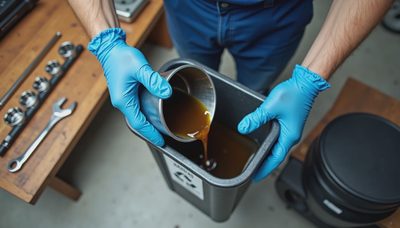
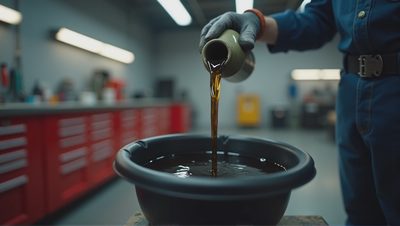
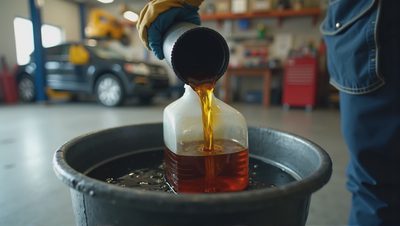
Once lubricants have served their purpose, they can harbour contaminants and deteriorate over time, becoming less stable and potentially more hazardous. So once you have extracted maximum value from your lubricants, bear in mind that how you discard them is just as important as how you used them. Pouring spent lubricants into drains or onto the ground is both environmentally damaging and strictly prohibited by law. Always check your local regulations for the approved disposal procedures in your area. Numerous communities operate recycling facilities specifically equipped to handle lubricant disposal safely. Responsible disposal choices reflect positively on you as a consumer and contribute meaningfully to the well-being of your wider community.
Within the world of mechanics and maintenance, lubricant safety precautions rarely receive the same level of attention as broader discussions about equipment upkeep and workplace wellness. Yet, as the points above make clear, the manner in which lubricants are handled carries significant consequences for machinery, vehicles, and tools alike. As you continue relying on Valvoline products to meet your lubrication requirements, treat these guidelines as a dependable reference. Knowing how to use lubricants safely is not just sound financial management — it is a fundamental element of truly mastering the equipment and systems that depend on them.