Prevent Costly Engine Failures and Safety Risks by Mastering Your Vehicle Fluid Maintenance
Why This Matters
When it comes to vehicle maintenance, the most expensive failures rarely start with broken parts. They start with neglected or incorrect automotive fluids. These silent protectors work behind the scenes to protect components, manage heat, transfer force, and prevent wear. Ignoring them can lead to costly repairs, downtime, and compromised safety. For fleet operators and private owners alike, using the correct fluid at the right interval ensures reliability, safety, and long-lasting components. Whether you are driving a fleet truck in Johannesburg or a commercial vehicle in Durban, automotive fluids are engineered to perform under heat, pressure, and constant movement. Over time, they degrade, become contaminated, or lose effectiveness. Maintaining all fluids together ensures balanced system performance and fewer unexpected breakdowns.
What You Need to Know
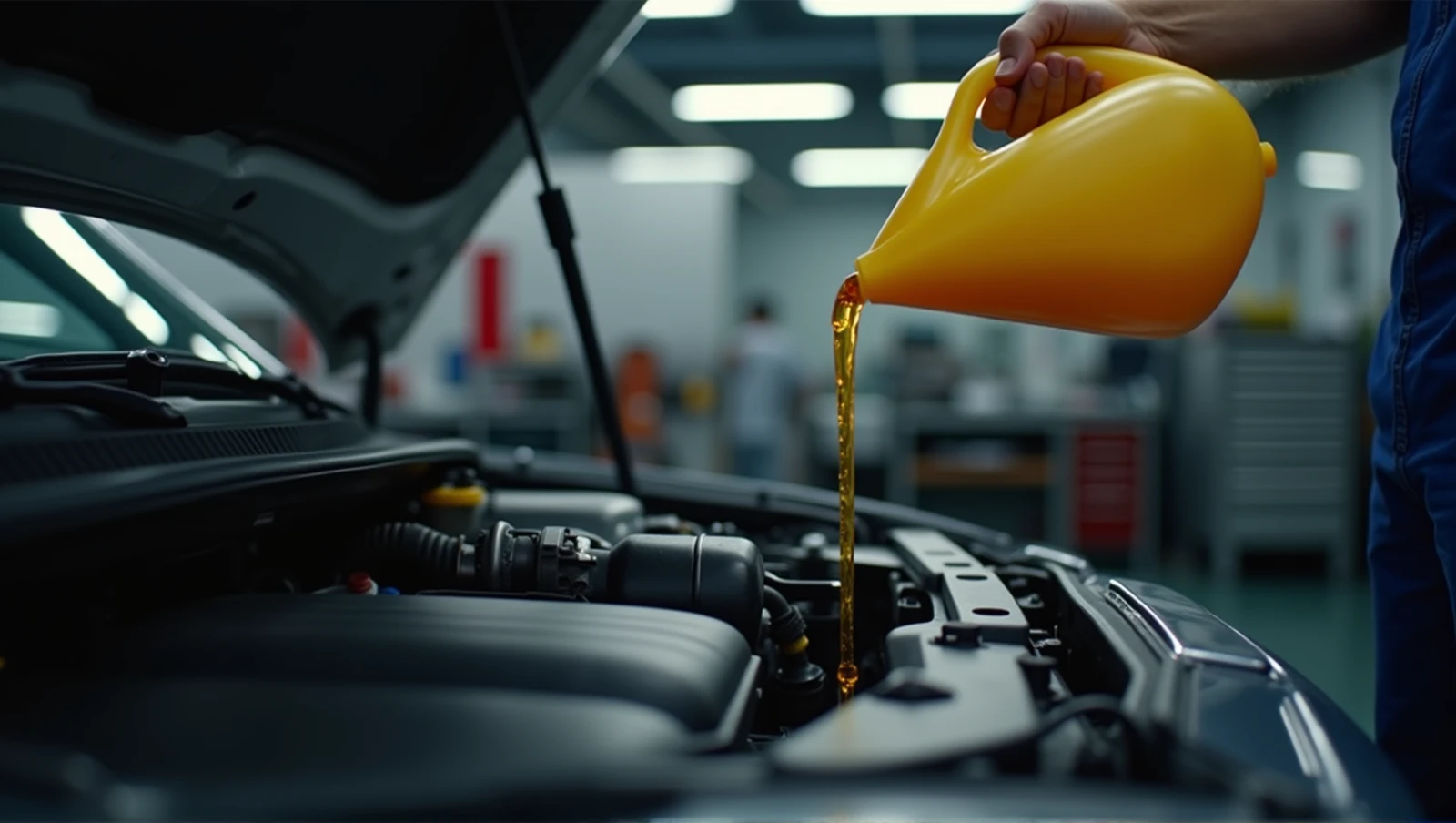
Every major vehicle system relies on the right fluid to function properly. You need to understand what each fluid does to protect your investment. Engine oil lubricates moving parts, reduces friction, manages heat, and traps contaminants. Coolant keeps your engine temperature stable while preventing corrosion and scale inside the cooling system. Brake fluid transfers force from the pedal to your brakes. Power steering fluid keeps steering smooth and protects pumps, seals, and steering components. Transmission and differential fluids lubricate gears, reduce heat, and prevent metal-to-metal contact. Finally, windscreen washer fluid improves visibility by removing dust, oil, and grime. Using the correct type recommended by manufacturers is critical for every single one of these systems.
How It Works
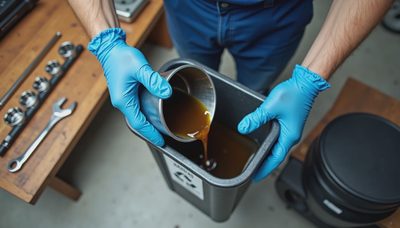
To keep your vehicle running smoothly, you must maintain fluid levels regularly. As engine oil ages, it thickens and loses its protective qualities. This increases wear and the risk of overheating. For South African conditions, note that hot climates and stop-and-go traffic can accelerate oil degradation. Regular checks are critical for both private vehicles and commercial fleets. Coolant maintenance is equally vital because local roads often expose engines to high temperatures and dust. This makes coolant maintenance even more important to prevent radiator, water pump, or engine block corrosion.
Brake fluid requires specific attention because over time, it absorbs moisture from the air. This lowers the boiling point and braking efficiency. In heavy traffic or fleet operations, contaminated brake fluid can cause brake fade or even failure. You must regularly flush and replace brake fluid to maintain optimal stopping power. Power steering fluid protects against increased steering effort and accelerated wear, which is especially true for large trucks and fleet vehicles. Transmission and differential issues are often mistaken for mechanical failure, but incorrect specifications or extended service intervals can cause harsh shifting, overheating, and gear damage.
Common Mistakes
Despite what some might assume, many transmission failures are fluid-related and not mechanical. Many South African fleet operators underestimate the importance of regular transmission fluid checks. This leads to expensive repairs. Another critical error is using the wrong type of coolant. Incorrect coolant can cause internal corrosion within your cooling system. Do not ignore the small things either. Inadequate washer fluid reduces driver visibility. This is particularly dangerous at night or in dusty regions such as Gauteng and Mpumalanga.
Pro Tip: Remember that each fluid protects a specific system, but failure in one often affects others. Overheating caused by coolant failure can degrade oil. Poor lubrication increases heat. Reduced braking performance compromises safety.
Warning: Brake fluid absorbs moisture, reducing braking efficiency. Do not wait for a failure symptom before checking this safety component.
Bottom Line
Protect Your Vehicle, Protect Your Business. Engine oil helps seal piston rings and improve performance, but only if maintained. Neglected engine oil can result in accelerated engine wear, sludge build-up, reduced fuel efficiency, and premature engine failure. By understanding that these fluids work together, you can ensure balanced system performance. Maintain coolant levels regularly and use the correct type recommended by manufacturers. Regularly flush and replace brake fluid. Check transmission fluids to avoid misdiagnosing gear damage as mechanical failure. Keeping all fluids in check ensures reliability, safety, and long-lasting components for your vehicle or fleet.