Protect One Million Gallons of Water: The Safe Way to Dispose of Used Motor Oil
Changing your oil is routine maintenance, but dumping the waste incorrectly can cause permanent environmental damage. Proper disposal keeps toxic heavy metals out of your community's groundwater and keeps you compliant with the law. Here is how to handle hazardous waste like a pro.
Why This Matters
You might think pouring old oil down a drain or tossing it in the trash is harmless, but the math says otherwise. Just one gallon of used motor oil can pollute 1 million gallons of drinking water. This isn't just about keeping your driveway clean; it is about public health.
Used motor oil is classified as hazardous waste because it accumulates heavy metals and toxic chemicals during engine operation. Improper disposal is illegal in many places and poses a direct threat to soil, water, and wildlife. When you recycle responsibly, you prevent long-term damage to the ecosystem. Knowing how to dispose of used motor oil isn't just about compliance—it is about protecting your community and keeping toxic waste out of our water.
What You Need to Know
Before you start draining, understand the regulations and materials required for safe handling. Most cars need an oil change every 3,000 to 7,500 miles, but driving habits and vehicle type can alter this. If your oil looks dark or gritty on the dipstick or your engine starts sounding rough, it is probably time.
To handle the waste, you need specific storage supplies. You must store used motor oil in a clean, sealed container. Use a clean, leak-proof container to prevent spills and contamination. Clearly label the container as "Used Motor Oil" and keep it separate from other waste materials. Laws about motor oil disposal vary, so ensure compliance with your area's guidelines before heading to a drop-off site.
How It Works
Disposing of motor oil properly requires a methodical approach from drainage to drop-off. Follow these steps to handle used motor oil the right way.
Step 1: Prepare for Drainage
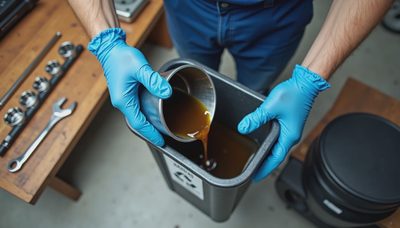
When draining your car's oil, preparation is key. Slide a drip pan under the drain plug to catch every drop—no one wants a mess on your driveway. Remember to wear gloves. Used oil contains toxic chemicals, and skin contact should be avoided.
Step 2: Collection and Storage
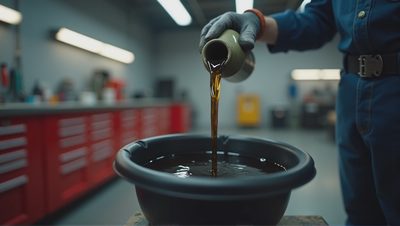
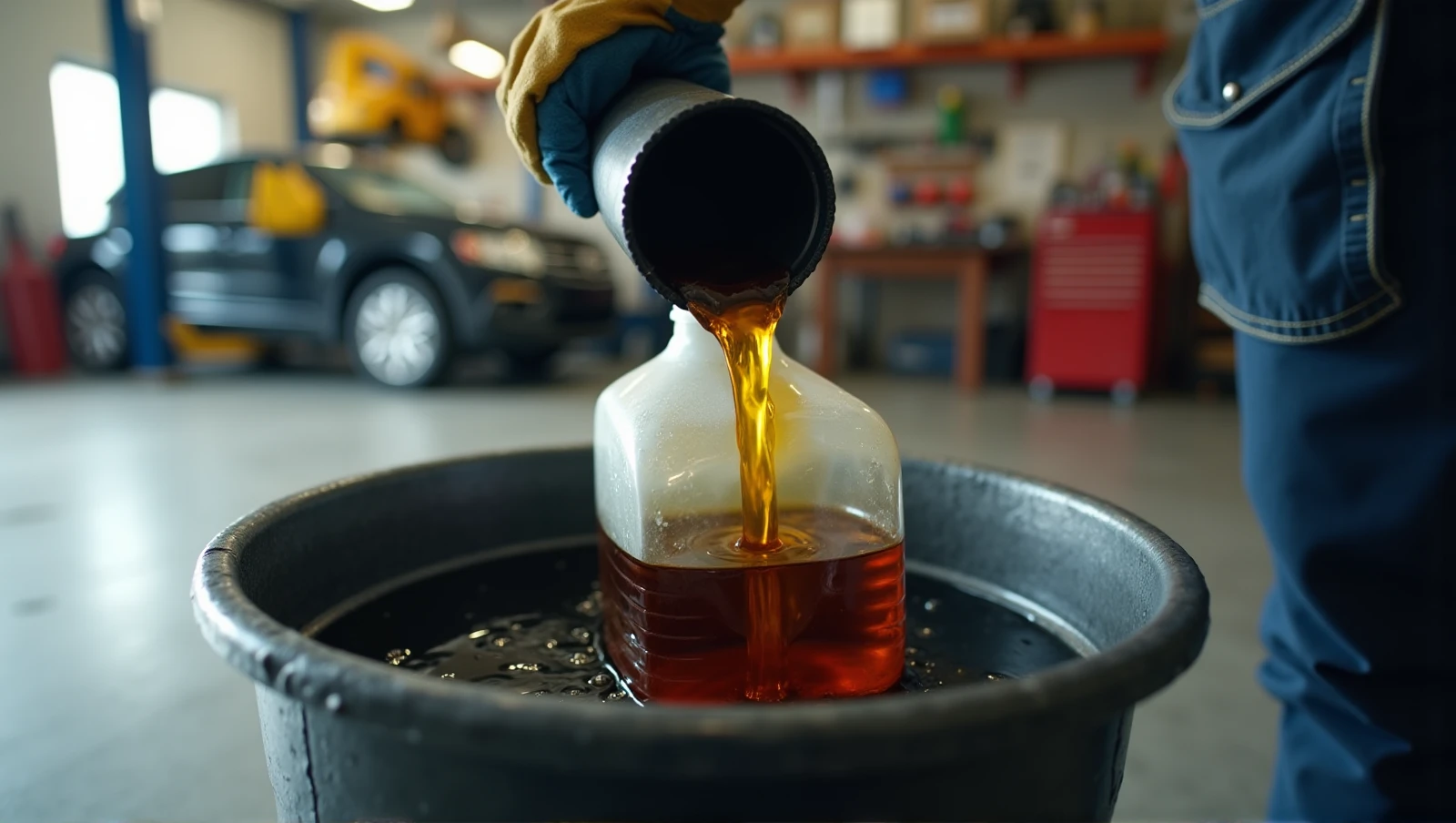
Collect the used oil in your clean, leak-proof container. Seal it tightly immediately after filling. Do not leave containers open or unprotected; open containers can spill or attract curious pets and kids, creating safety hazards. If you have used oil filters, recycle them too. They often contain residual oil that can be recovered and recycled.
Step 3: Transportation and Drop-Off
Take the sealed container to a certified oil recycling center, auto parts store, or hazardous waste facility. Many local auto parts stores and service stations accept used motor oil for proper recycling. Don't wait too long to recycle. Old oil can degrade and become harder to recycle efficiently.
> Pro Tip: Label your containers clearly before loading them into your vehicle. This ensures facility staff know exactly what you are dropping off and prevents accidental mixing at the collection site.
Common Mistakes
Even well-meaning DIYers make critical errors when disposing of fluids. Avoid these pitfalls to ensure your oil is actually recycled rather than treated as toxic trash.
Mixing Fluids
Don't mix used oil with other liquids. Mixing oil with substances like antifreeze or gasoline makes recycling impossible. Once contaminated with other chemicals, the batch often cannot be processed and must be disposed of as hazardous waste at a higher cost.
Improper Dumping
Don't pour motor oil down the drain. It is hazardous waste and can contaminate groundwater and harm wildlife. Similarly, don't throw it in the trash. Disposing of motor oil with regular garbage is illegal in many places and harmful to the environment. Never pour it on the ground.
Ignoring Filters
Many owners forget the filter. Since filters hold residual oil, tossing them in regular trash leaks toxins over time. Always confirm your drop-off center accepts filters alongside the bulk oil.
Bottom Line
Responsible disposal is the final step of a successful oil change. To dispose of motor oil responsibly, store it in a clean, sealed container and take it to a certified oil recycling center, auto parts store, or hazardous waste facility. Never pour it down the drain or into the trash—used motor oil is hazardous waste that must be handled with care to prevent environmental damage. By following these steps, you protect one million gallons of water for every gallon you recycle.