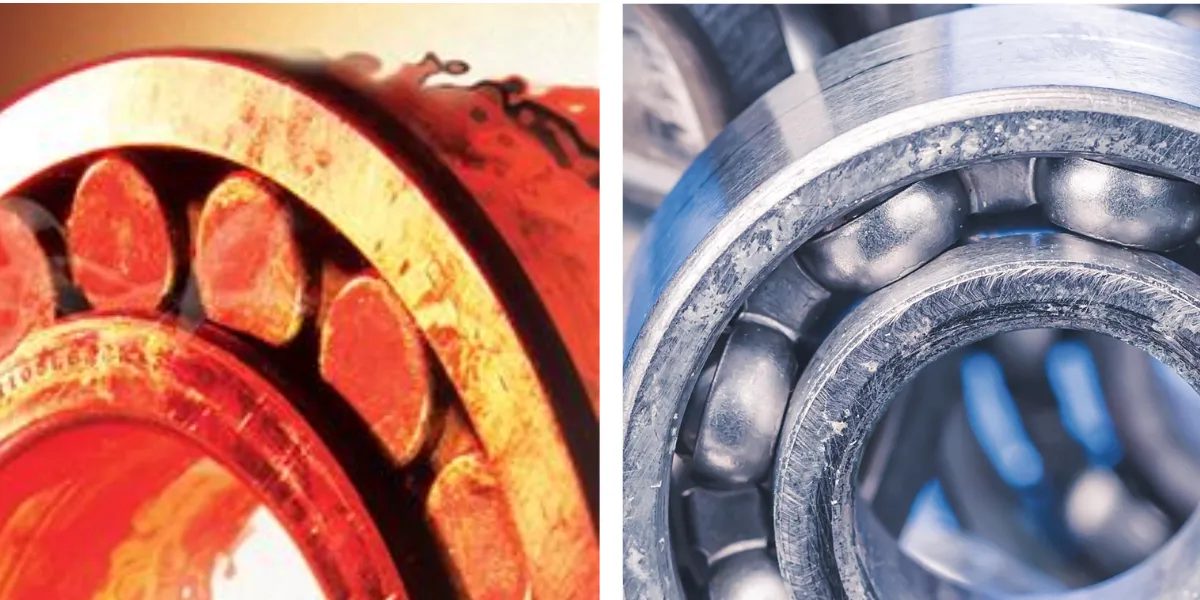
As modern vehicles and industrial machinery grow more sophisticated and operate across an ever-wider range of environments, the lubricants responsible for their smooth functioning face unprecedented demands. From the scorching temperatures of desert landscapes to the brutal cold of Arctic regions, extreme climates push lubricants to their absolute limits. This article examines the profound lubrication challenges associated with both hot and cold conditions, while underscoring the vital role that products like engine coolant play in addressing those challenges.
Before exploring the specific difficulties that extreme temperatures introduce, it helps to establish a solid grounding in the core principles of lubrication. At its most fundamental level, lubrication reduces friction between parts in motion, facilitating smoother operation and diminishing wear and tear. Temperature swings, however, can dramatically compromise a lubricant's capacity to fulfill this role, with direct consequences for the efficiency of any mechanical system.
Temperature is far more than a measure of ambient comfort — it exerts a powerful influence on how lubricants perform inside machinery and vehicles. To appreciate why temperature ranks as such a decisive variable in the world of lubrication, a closer examination of its effects is warranted.
Viscosity, at its most basic, describes how strongly a fluid resists flowing. It is roughly analogous to what we commonly think of as a liquid's 'thickness' or 'thinness.' Rather than staying fixed, a lubricant's viscosity shifts in response to changes in surrounding temperature. As the thermal environment changes, so too does the way a lubricant moves and behaves.
Under hot conditions, lubricants tend to thin out, weakening the protective film they form between moving surfaces and rendering them less capable of guarding against wear. With this reduced barrier, mechanical components come into more direct contact with one another, speeding up deterioration and increasing the probability of damage. On the other end of the spectrum, cold temperatures cause lubricants to thicken considerably. This elevated viscosity can slow or prevent the lubricant from rapidly reaching and coating critical components, especially during initial engine start-ups. Overly thick lubricants struggle to reduce friction effectively, placing added strain on equipment and driving up energy consumption.
Sustaining the correct viscosity across a wide range of temperatures represents one of the defining challenges in the lubrication industry. Many contemporary lubricants are engineered with particular thermal windows in mind, formulated to remain stable and provide reliable protection even as environmental conditions shift. Ultimately, grasping the relationship between temperature and viscosity — and responding to it thoughtfully — is essential. It enables machinery and vehicles to receive the protection they require, optimising performance and extending operational life.
Engine coolant performs a dual function: it draws heat away from the engine and releases it through the radiator, preventing the engine from overheating. Yet its usefulness extends beyond heat dissipation. A properly selected engine coolant also proves critical in cold weather, stopping the coolant itself from freezing and maintaining steady engine temperatures. In this way, coolant bridges the gap between an engine's hot and cold operating states, making it indispensable to overall system health. Staying alert to the possibility of a coolant leak and knowing the answer to 'what coolant do I need?' are both central to keeping an engine in good condition.
Extreme heat generates a distinctive and demanding set of problems for lubrication. Beyond altering the physical properties of lubricants, high temperatures amplify the operational stresses placed on machinery and vehicles. Understanding and counteracting these thermal effects is therefore critical to preserving optimal functionality and extending equipment service life.
The complications that overheating introduces are varied, each carrying its own implications for lubricants and the systems they are meant to protect. The following points offer a more thorough examination of these issues.
When temperatures climb too high, lubricants can shed viscosity and thin out significantly. In this altered state, they lose their capacity to maintain a consistent protective film between moving components. As the lubricant becomes less substantial, it forfeits the cushioning properties that are essential for preventing wear and tear.
With lubrication effectiveness diminished, metallic components face a greater likelihood of making direct contact with each other. This accelerates the degradation of critical mechanical parts. Sustained metal-to-metal friction can trigger unexpected failures and dramatically reduce the useful life of equipment.
As deterioration intensifies, maintenance intervals must shorten, resulting in higher operating costs. Equipment failures — even when infrequent — can generate unplanned shutdowns that disrupt workflow and sap productivity.
Lubricants oxidise at an accelerated rate when exposed to elevated temperatures. This oxidation process breaks down the lubricant over time, gradually weakening its effectiveness. Oxidation also generates acids and sludge as byproducts. These contaminants degrade the lubricant's protective properties and can inflict damage on the very systems it was formulated to safeguard.
A coolant leak signals that the system has been compromised, and left unaddressed, it can develop into a serious problem. Beyond the immediate danger of engine overheating, a leaking coolant can infiltrate lubricating oils and undermine their effectiveness. When oil and coolant intermingle, they may form emulsions that significantly impair the lubricant's ability to shield engine components. Detecting a coolant leak early — through signs such as unusual puddles beneath the vehicle, a declining coolant level, or steam rising from the engine — is essential to avoiding more serious complications. Asking 'what coolant do I need?' becomes a particularly important question when diagnosing and resolving leak-related and cooling system issues.
Cold environments present a distinct and complex range of challenges for lubrication, quite different from those encountered in hot climates. When temperatures fall sharply, lubricants experience a marked change in their physical characteristics. This transformation, though a natural response to cold, can undermine their immediate protective performance. Viscosity rises, lubricants become less fluid, and their ability to function optimally can be compromised from the outset.
Machinery and vehicles operating under such frigid conditions also contend with elevated operational demands. Components may require greater energy to set in motion, start-up sequences can be delayed, and the risk of wear during initial operation increases. Recognising these challenges and taking steps to address them in advance is therefore essential. Doing so supports reliable machinery and vehicle operation, keeps downtime to a minimum, and helps maximise equipment service life.
Starting an engine in cold weather — often called a 'cold-start' — represents one of the most severe tests an engine can face. As previously noted, low temperatures cause lubricants to lose their fluid character, becoming excessively viscous or thick. This heightened viscosity impedes the oil's ability to circulate rapidly and coat the engine's internal components during the critical start-up window. The resulting delay in establishing proper lubrication increases metal-to-metal contact and escalates wear on internal parts. Over time, this pattern can lead to substantial engine wear and potential damage. To address this, well-engineered engine oils formulated for cold climates are designed to retain a more fluid consistency even when temperatures drop sharply. Such oils ensure rapid circulation, providing engines with adequate protection precisely during those critical cold-start moments.
One of the most important properties to evaluate in lubricants intended for cold-weather use is the 'pour point.' This term refers to the lowest temperature at which a lubricant retains sufficient fluidity to pour. When ambient temperatures fall below this threshold, the lubricant may become too thick, potentially compromising its performance and protective capabilities.
Selecting the appropriate lubricant for equipment operating in temperature extremes demands a careful and systematic approach. Simply gravitating toward a well-known brand or the highest-priced product is not sufficient. The right choice can meaningfully extend equipment life and improve efficiency, whereas a poor selection can have genuinely harmful consequences. Several key considerations should guide the lubricant selection process under challenging thermal conditions.
1. Viscosity Range: Viscosity measures a fluid's resistance to flow and, in the context of lubricants, determines how well the lubricant coats and protects mechanical components. Extreme temperatures can cause a lubricant's viscosity to shift significantly. It is therefore essential to choose a lubricant capable of maintaining an optimal viscosity across a broad temperature spectrum, ensuring consistent protection regardless of conditions.
2. Additive Composition: Lubricants are typically formulated with 80–90% base oil and 10–20% additives. Modern formulations commonly incorporate a carefully selected blend of additives that enhance their overall performance. Under extreme conditions in particular, additives take on an outsized role. Seek out lubricants containing additives engineered to sustain performance under stress, and pay close attention to the label to identify which key additives are present.
3. Coolant Compatibility: The relationship between engine oil and coolant is more significant than many users appreciate. Incompatible combinations can give rise to problems such as sludge buildup, which may clog system passages and erode efficiency. When selecting an engine oil — particularly for use in extreme temperatures — verify that it has been tested and confirmed to be compatible with the engine coolant in use.
4. OEM Recommendations: Equipment manufacturers invest considerable time and resources in evaluating lubricants to determine which formulations perform best with their products. Always consult Original Equipment Manufacturer (OEM) guidelines when making lubricant selections. These recommendations offer invaluable guidance on products that have been rigorously tested and approved for specific models, helping users get the most from their equipment. Valvoline also provides free access to its Lubricant Advisor, a tool that allows users to select their specific vehicle and receive precise recommendations for the appropriate fluids.
5. Environmental Impact: As global awareness of sustainability continues to grow, the environmental footprint of the lubricants and coolants chosen for use deserves serious consideration. Prioritise products that break down more readily in the environment, reducing the risk of pollution. This consideration is especially important when operating in ecologically sensitive locations — such as near water sources or wildlife habitats — where the selection of eco-friendly lubricants can help minimise potential environmental harm.
Selecting the right lubricants and coolant solutions for extreme temperature environments goes beyond mere technical compliance — it is a commitment to the longevity, performance, and dependability of machinery and vehicles. As one of the leading manufacturers of motor oils and lubricants worldwide, Valvoline understands the distinctive challenges that temperature extremes impose and remains dedicated to delivering products engineered to meet them. This guide provides practical answers to a range of questions, from 'Why should I pay attention to coolants?' to 'What coolant do I need?' Whatever the application, when searching for the right engine oil, placing quality and compatibility at the forefront of the decision will consistently deliver the best results.
Valvoline has spent more than a century earning its reputation as a leader in lubrication innovation and dependability. When confronting the demands of lubricating equipment in extreme temperatures, Valvoline stands out as the first choice for a number of compelling reasons.
In the challenging world of extreme temperature lubrication, Valvoline remains a benchmark for excellence — successfully uniting a rich legacy of expertise with a forward-looking commitment to innovation.



No comments yet — be the first to share a thought.