Choosing the Right Lubricant Extends Engine Life and Prevents Costly Breakdowns
Using the correct lubricant for your engine and drivetrain can prevent a $4,000 component rebuild and keep your vehicle running efficiently for years. Proper fluid selection isn't just about topping off a reservoir; it's about matching chemical engineering to mechanical stress. Schaeffer Oil, a manufacturer founded in 1839, has built its reputation on helping operators own equipment longer, operate more efficiently, and reduce downtime across agriculture, trucking, construction, racing, and municipal applications. When you understand how modern lubricants work and where to apply them, you protect your investment, manage heat, and avoid premature failure.
Why This Matters
Lubrication directly controls friction, heat, and contamination inside your machinery. Every moving part relies on a fluid film to separate metal surfaces. When that film breaks down, wear accelerates, fuel economy drops, and components fail. Proper lubricant management influences your equipment’s entire life cycle. Selecting the right product for your operating environment reduces maintenance hassles, extends service intervals, and keeps critical systems running smoothly. Whether you are maintaining a daily driver, a farm tractor, or a heavy-duty truck, the payoff is the same: fewer breakdowns, lower operating costs, and longer component life.
What You Need to Know
Lubricants are engineered for specific mechanical loads and temperature ranges. Mixing categories or ignoring additive chemistry leads to rapid wear. Here is what the major fluid types actually do:
- Synthetic motor oils and engine oils use precisely controlled base molecules and advanced additive packages. Synthetic (engineered oil with uniform molecular structure for superior temperature stability and reduced breakdown) delivers stronger engine durability and measurable fuel economy benefits compared to conventional blends.
- Diesel fuel additives keep fuel systems and storage tanks clean. They prevent injector coking, microbial growth, and seasonal degradation, ensuring optimal combustion and less hassle during long storage periods.
- Gear lubricants protect against oxidation (chemical breakdown of oil when exposed to oxygen and heat), corrosion, wear, and bearing distress. They are essential for differentials, transfer cases, and manual transmissions.
- Transmission and universal tractor hydraulic fluids withstand higher operating temperatures and reduce internal wear. They are formulated to handle both hydraulic pressure and gear protection in a single product.
- Hydraulic fluids deliver excellent stay-in-grade performance. Stay-in-grade (oil that maintains its viscosity rating under extreme heat and mechanical shear) means better protection and less lubricant consumption over time.
- Greases resist thinning or running off, even in severe conditions, making them ideal for wheel bearings, chassis points, and suspension joints.
- Motorcycle lubricants are specially balanced to handle high RPMs, wet clutches, and separate engine/transmission systems.
How It Works
Selecting and applying the right lubricant follows a straightforward, component-focused process. Start by identifying your equipment’s operating environment and workload. Severe conditions, like heavy construction or mining, demand highly durable lubricants that handle extreme loads and temperature swings. Agriculture and municipal fleets benefit from fluids that reduce downtime and material costs. Racing applications require formulations that extract maximum performance while protecting internal components.
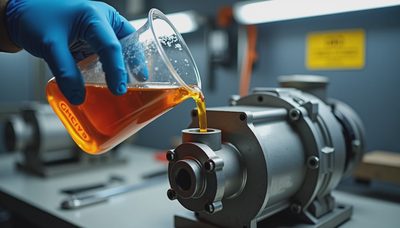
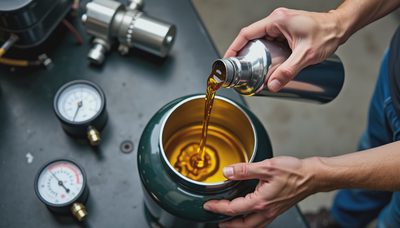
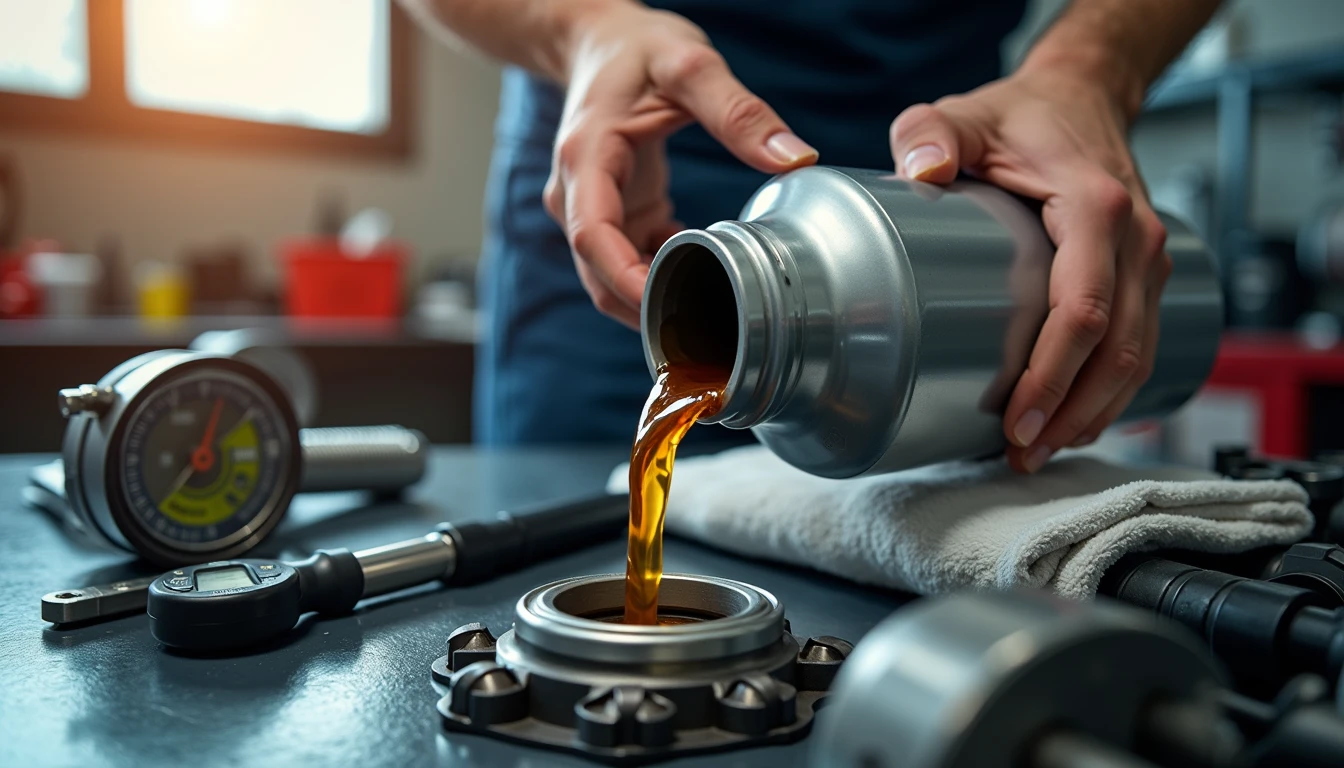
Once you identify the component, match it to the correct fluid category. Pour engine oil into the crankcase, gear lube into differentials, hydraulic fluid into pump reservoirs, and grease into zerks and bearing housings. Look for products that explicitly list additives and friction modifiers. Friction modifiers (chemical compounds that coat metal surfaces to reduce direct contact and heat generation) are critical for extending component life under load.
When purchasing, you can work with factory-trained representatives for bulk orders, use a retail locator for small quantities, or buy directly from the official online store. Always store fluids properly and follow your equipment manufacturer’s service intervals. Proper lubricant management directly influences your equipment’s life cycle.
Pro Tip: Always check fluid levels and condition before seasonal changes. Cold weather thickens conventional oils, while summer heat accelerates oxidation. Switching to a synthetic or additive-enhanced formula before extreme weather prevents start-up wear.
Common Mistakes
Despite what some forums suggest, you cannot safely substitute one lubricant type for another. Using engine oil in a transmission or gear housing will cause rapid wear because engine oils lack the extreme pressure additives needed for gear meshing. Conversely, gear lube in an engine will cause valve train damage and clog oil passages. Another frequent error is ignoring operating temperatures. Many operators assume all oils perform identically, but fluids that resist thinning and maintain stay-in-grade performance are specifically engineered for high-heat environments. Finally, skipping fuel additives during long storage periods leads to tank contamination and injector failure. Clean fuel systems are just as important as clean oil systems.
Pro Tip: Never mix different lubricant brands or formulations unless the manufacturer explicitly approves it. Additive packages can clash, causing sludge formation or reduced protection. Stick to one product line per component for consistent performance.
Bottom Line
Matching the right lubricant to the right component is a simple, high-impact maintenance step that pays for itself. Synthetic engine oils, specialized gear lubes, stay-in-grade hydraulic fluids, and targeted fuel additives each solve specific mechanical problems. By selecting products with proven additive packages and friction modifiers, you reduce wear, manage heat, and extend service life across engines, transmissions, hydraulics, and chassis components. Take the time to identify your equipment’s operating environment, choose the correct fluid category, and source your products through verified channels. Your machinery will reward you with fewer breakdowns, better efficiency, and a longer operational life.