Properly handling used motor oil prevents carcinogen exposure and protects your long-term health.
Why This Matters
Most DIY mechanics focus on torque specs and drain plug washers, but the real danger in your garage isn’t a stripped bolt—it’s what you’re leaving on your skin. When you pull the drain plug on a routine oil change, you’re not just releasing lubricant. You’re releasing a chemical cocktail that behaves completely differently than the fresh stuff in the bottle. Clean motor oil is relatively benign, but once it circulates through a running engine, it absorbs combustion byproducts, metal particulates, and thermal degradation compounds. According to manufacturer Safety Data Sheets (SDS), continuous skin contact with used engine oil has caused skin cancer in animal tests. Understanding how to handle, contain, and dispose of this fluid isn’t just about keeping your driveway clean. It’s about protecting your respiratory system, your skin barrier, and your long-term health. Treat every oil change like a controlled chemical transfer, and you’ll avoid costly medical complications down the road.
What You Need to Know
Let’s break down the chemistry and the official safety data. I pulled the SDS documents for Mobil 1 10W-30 synthetic and Pennzoil 10W-30 conventional to show you exactly what you’re working with. The 10W-30 rating refers to viscosity (how thick the oil is at a given temperature), which determines how well it lubricates during cold starts and high-heat operation.
Fresh, unopened motor oil is classified as minimally toxic. The SDS for both Mobil 1 and Pennzoil states that normal inhalation, ingestion, and skin exposure carry minimal risk. In fact, the Mobil 1 sheet explicitly notes that no special skin protection is ordinarily required under normal conditions of use. If you spill a little clean oil on your hands, you won’t suffer immediate harm. However, the sheets warn that accidental ingestion can trigger nausea, vomiting, and diarrhea, while eye contact may cause mild, short-lasting discomfort. Repeated or prolonged skin exposure without proper cleaning can clog your pores, leading to oil acne and folliculitis.
The danger spikes the moment that oil circulates through your engine. As the fluid lubricates pistons and bearings, it traps polycyclic aromatic compounds (PAC) from gasoline combustion and thermal breakdown products. The Pennzoil SDS emphasizes that used oils accumulate harmful impurities that present significant health and environmental risks. Continuous contact with this degraded fluid is linked to carcinogenic properties and possible allergen reactions. This is why your local shop treats used oil as hazardous waste, and why your garage should too.
How It Works
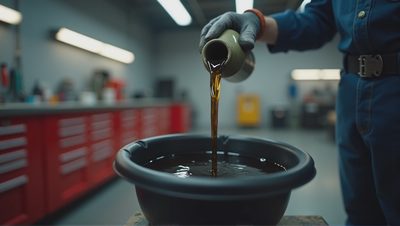
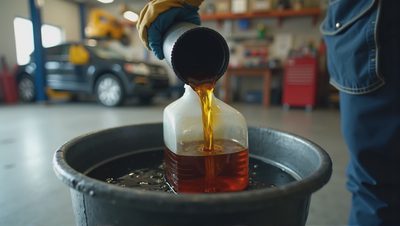
Safe oil management comes down to containment, protection, and proper disposal. Start by warming your engine for five minutes before draining. Warm fluid flows faster and carries more suspended contaminants out of the pan, but it also increases vapor exposure, so work in a well-ventilated area. Place a sealed drain pan directly under the plug, loosen it with a socket wrench, and step back quickly to avoid the initial splash.
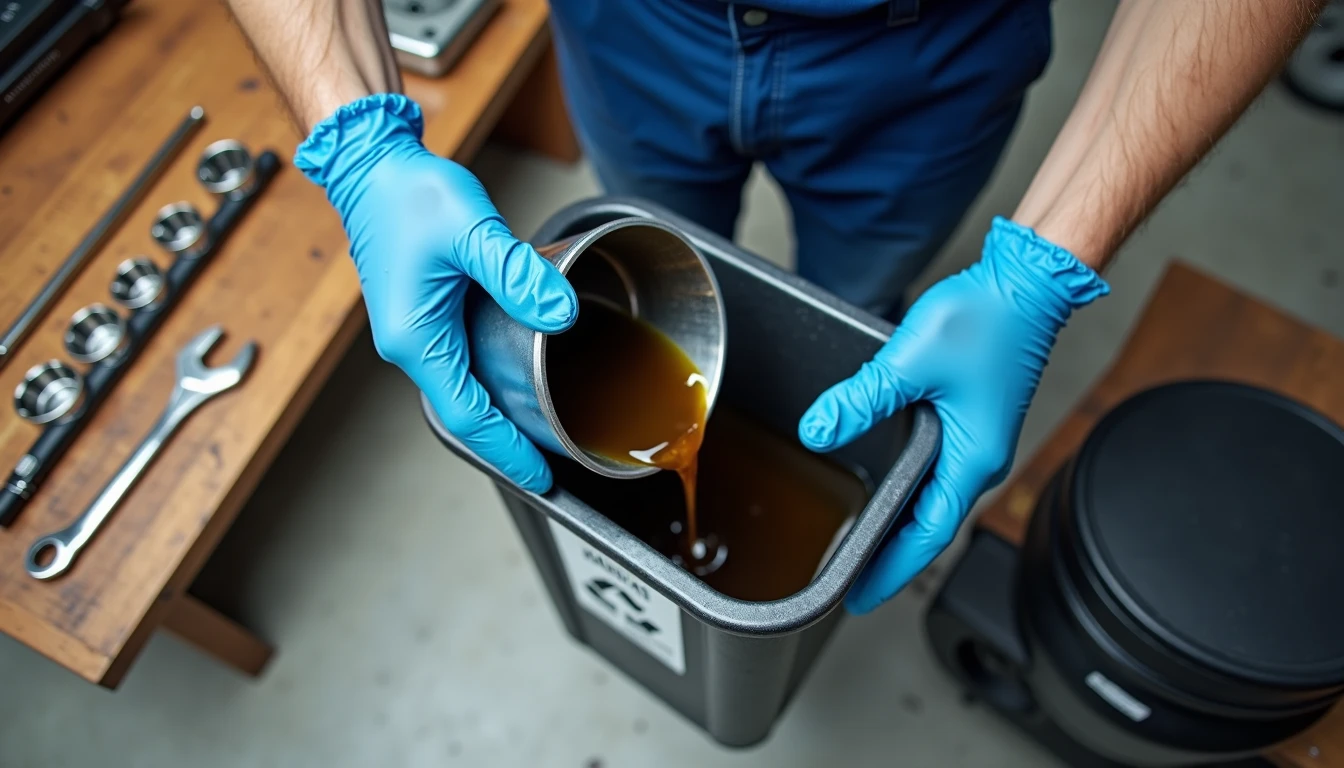
Once the fluid is captured, transfer it to a clean, leak-proof container. Never mix used motor oil with antifreeze, transmission fluid, or brake fluid. Cross-contamination ruins recycling streams and creates unpredictable chemical reactions. Seal the container tightly and store it upright in a cool, dry spot away from direct sunlight or ignition sources. When you’re ready to dispose of it, most auto parts stores and municipal recycling centers accept used oil for free.
> Pro Tip: Wear nitrile gloves and long sleeves during every change. Even if the SDS says skin protection isn’t "ordinarily required," that applies to clean oil. Used oil demands a physical barrier. Keep a dedicated shop towel and industrial hand cleaner (like those with pumice or citrus solvents) near your workbench. Wash your hands immediately after tightening the drain plug—don’t wait until you’re done wiping down the engine bay.
Common Mistakes
Despite what casual forums suggest, you absolutely can expose yourself to hazardous compounds during a routine fluid swap. The biggest myth is that motor oil is just dirt and grease you can wipe off with a rag. In reality, used oil contains microscopic metal shavings and PACs that bind to skin cells. Wiping your hands on a shop towel just spreads the contaminants across your palms and fingers, increasing absorption rates.
Another frequent error is storing used oil in food or beverage containers. This isn’t just a bad habit; it’s a serious ingestion risk for kids and pets, and recycling facilities will reject improperly labeled containers. Some DIYers also skip gloves because "it’s just a quick change." Remember, the SDS specifically flags prolonged or repeated contact as the primary trigger for folliculitis and long-term cellular damage. Finally, never pour used oil down a storm drain, into the soil, or onto your driveway. The environmental damage is immediate, and the legal fines far outweigh the cost of a proper disposal drop-off.
Bottom Line
Your vehicle’s lubrication system keeps the engine running, but the byproducts it generates demand respect. Fresh motor oil like Mobil 1 10W-30 synthetic or Pennzoil 10W-30 conventional is minimally toxic, but once it cycles through combustion chambers, it transforms into a carcinogenic mixture containing polycyclic aromatic compounds. Always consult the manufacturer’s Safety Data Sheet before handling fluids, wear proper barriers, contain every drop, and recycle through authorized centers. Treat used oil as a controlled hazard, keep your skin clean, and you’ll stay healthy for thousands of miles of wrenching ahead.