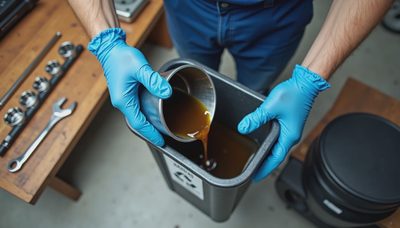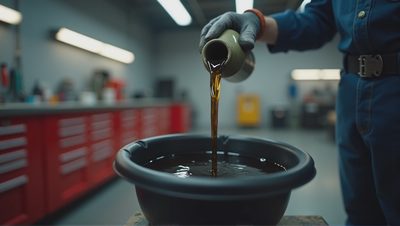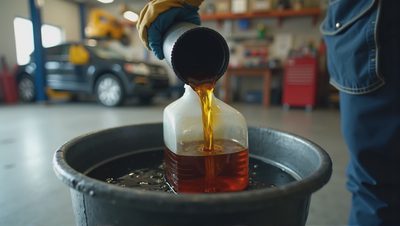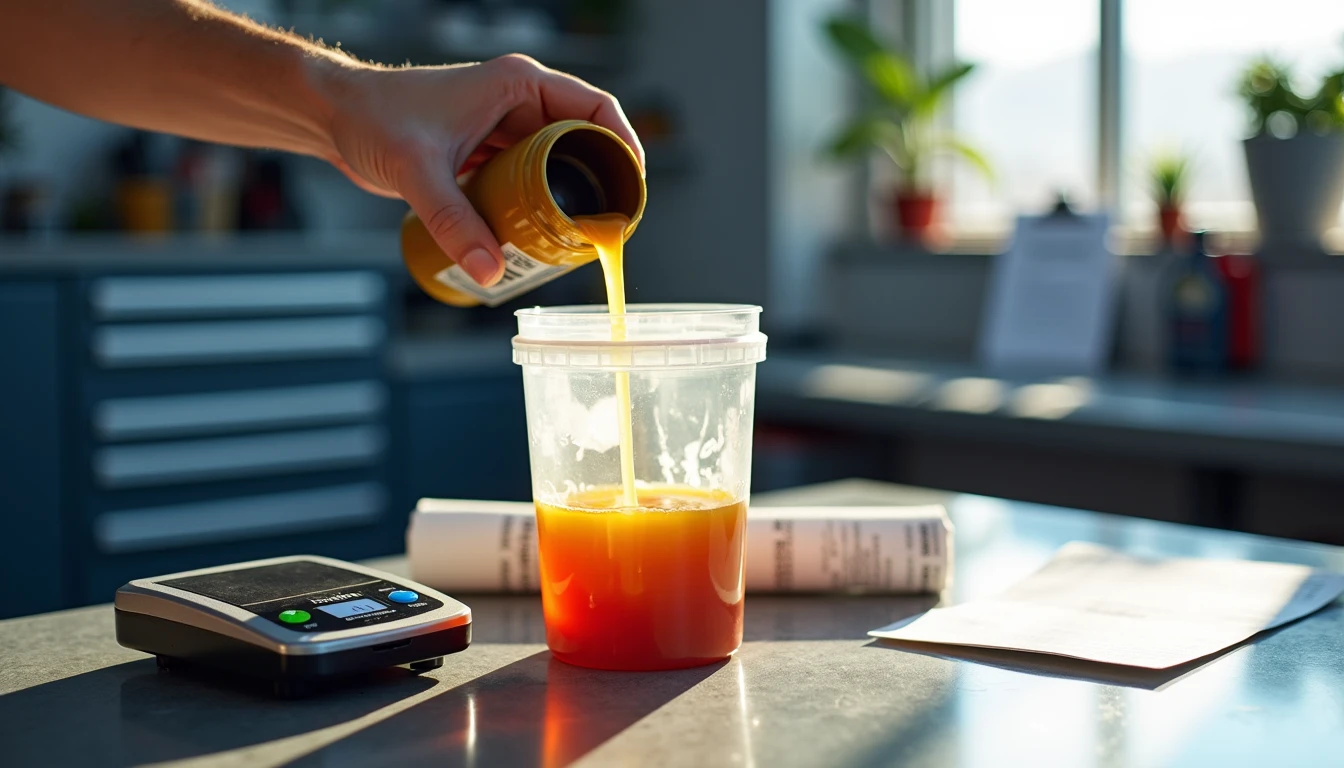
Properly dispose of used automotive fluids to protect your family, avoid fines, and keep your workshop safe.
Why This Matters
If you work on your own vehicles, you already know that old fluids don't just disappear. They accumulate in your garage, taking up space and slowly degrading into something far more dangerous than fresh fluid. Used automotive fluids contain heavy metals, corrosive chemicals, and volatile organic compounds (VOCs), which are chemicals that easily evaporate into the air and can cause respiratory irritation or long-term health issues. Storing them improperly doesn't just create a fire hazard; it puts your children and pets at risk of accidental exposure.
Beyond health, improper disposal carries serious financial and legal consequences. Pouring fluids down a drain, onto the ground, or into regular trash triggers environmental contamination that can result in municipal cleanup fees and heavy fines. The practical payoff is simple: handling disposal correctly costs a fraction of what a contaminated property cleanup or health-related medical bill would demand. It keeps your workspace safe, your conscience clear, and your wallet intact.
What You Need to Know
The source material focuses on disposal infrastructure rather than maintenance intervals, so let's cover exactly how to handle these materials legally and safely. The program operates through Veolia's Household Hazardous Products Collection Centers, which are permitted to accept materials from households across Massachusetts and certain adjoining states.
You will encounter a "pay-as-you-throw" pricing model, which means you only pay for the exact hazardous products you bring in, rather than a flat monthly fee. This structure rewards DIYers who consolidate their waste and dispose of it in bulk rather than making frequent small trips. Payment methods have been updated: the facilities now require credit cards for all transactions and no longer accept cash.
If you cannot transport the materials yourself, a household pick-up service is available. This is particularly useful if you have heavy drums or multiple containers that are difficult to load. The centers operate on a fixed schedule, so planning ahead prevents wasted trips. Always keep fluids in their original containers or clearly labeled, leak-proof vessels to speed up the intake process and ensure accurate pricing.
How It Works
Disposing of automotive fluids through this program follows a straightforward workflow. First, gather all used fluids from your recent maintenance jobs. Do not mix different fluid types together, as cross-contamination increases disposal complexity and cost. Seal each container tightly and place them in a secondary plastic bin or tray to catch any potential leaks during transport.
Next, verify the operating hours for your nearest facility. The Sutton location at 83 Gilmore Drive is open Tuesdays and Thursdays from 9:00 AM to 4:00 PM, year-round except for holidays. The Westfield location at 190 East Main Street (Route 20) operates Mondays and Wednesdays from 9:00 AM to 4:00 PM, plus Saturdays from 9:00 AM to 1:00 PM, also excluding holidays.
When you arrive, present your sealed containers to the intake staff. They will weigh or measure the waste, calculate the fee based on the pay-as-you-throw rate, and process your credit card payment. If you opted for the pick-up service, schedule it in advance through the provider's portal or contact line, and keep the fluids in a secure, accessible area for collection.
> Pro Tip: Label every container before you leave your garage. Write the fluid type, approximate volume, and your name on duct tape wrapped around the neck. Intake staff can process labeled containers twice as fast, which means less waiting time and fewer handling errors.
Common Mistakes
Despite what some online forums suggest, you cannot simply pour used fluids into storm drains or bury them in your backyard. Storm drains flow directly into local waterways, and buried chemicals leach into groundwater, causing irreversible ecological damage. Another frequent error is assuming cash is still accepted. The facilities have fully transitioned to credit card processing, so showing up with cash will result in a turned-away trip.
Some DIYers also try to stretch fluid life by mixing old oil with fresh oil or adding solvents to thin out thick transmission fluid. This doesn't restore the fluid's viscosity (how thick the oil is at a given temperature) or its additive package; it only contaminates both batches and creates a hazardous mixture that disposal facilities must treat as higher-tier waste. Finally, leaving containers unsealed in a hot garage accelerates chemical breakdown and increases vapor exposure. Always store fluids in a cool, dry, well-ventilated area until disposal day.
Bottom Line
Used automotive fluids are a routine byproduct of DIY maintenance, but they require disciplined handling. Consolidate your waste, verify facility hours, bring a credit card, and never mix fluid types. If transport isn't feasible, use the available pick-up service. Proper disposal protects your health, shields your property from contamination, and keeps you compliant with local hazardous waste regulations. Schedule your drop-off, clear the clutter, and keep your garage a safe workspace for your next project.