If you need a plain-English explanation of 5w30 viscosity, this post will let you look up what the grade means, what the numbers measure, and when it belongs in a passenger car, light truck, or fleet unit. Here’s the chemistry, here’s the spec, here’s what to do with it. The short version is that the label is about flow at cold start and protection at operating temperature, not a vague promise that one oil fits everything. The manual, the API category, and the OEM approval still decide the final answer.
What the numbers on the label actually mean
On the spec sheet, 5w30 viscosity is a multigrade rating from SAE J300, not a brand claim and not a temperature in degrees. The 5W part tells you how the oil behaves in cold cranking and cold pumping tests. The 30 part tells you the viscosity range the oil must hit when it is hot, usually discussed at 100 C with ASTM D445. In practical terms, that means the oil is thin enough to circulate quickly on a winter start, yet still thick enough to maintain a lubricating film after warm-up.
If your customer asks, the one-line answer is this: the W stands for winter, and the second number is the high-temperature grade. That is why a 5W-30 can feel very different from a straight 30-weight, even though the hot grade overlaps. The real job is balancing pumpability, film strength, and fuel economy. Modern additive packages also matter. API SP and ILSAC GF-6A oils are built to handle sludge control, timing-chain wear, and low-speed pre-ignition concerns in engines that ask for that level of protection.
Reference Box
SAE J300 defines the viscosity grade. ASTM D5293 covers low-temperature cranking behavior. ASTM D445 measures kinematic viscosity at operating temperature. That is the backbone behind the label.

Where this grade usually fits best
For a commuter car that sees morning starts, mixed city driving, and normal highway miles, 5w30 viscosity is often a sensible match when the owner’s manual lists it. I see it commonly in older vehicles that were originally calibrated for a 5W-30 or 10W-30 family oil, in many light trucks, and in several engines that were tuned for a little more hot-side film thickness than the thinnest modern grades provide. In colder climates, the 5W cold rating helps the oil move sooner after startup, which is where a lot of wear happens.
It can also make sense in engines that idle a lot, tow within the manufacturer’s limits, or spend time in stop-and-go service. The key is that 5w30 viscosity is not about one single use case. It is a middle-ground grade that often works well when a builder wants quick cold flow without stepping all the way down to a 0W family product. If you stock it at the counter, you are usually covering a broad slice of late-model daily drivers and a fair number of older vehicles that still run clean on the right oil.
Where it does not solve the whole problem
The big mistake is treating the grade as universal. If a manual calls for 0W-20, 0W-16, 5W-20, or an OEM-specific oil, 5w30 viscosity is not an automatic substitute. Lower-viscosity engines are often designed around tighter clearances, fuel-economy targets, variable valve timing, turbocharger heat management, and validated wear results with that exact oil family. A thicker oil can change how quickly the engine builds pressure, how the oil flows through small passages, and how the system behaves in very cold weather.
The same caution applies to European applications that require ACEA or OEM approvals not found on the average shelf bottle. A label that only says “5W-30” is not enough. On the bottle, 5w30 viscosity still needs the right API category, and sometimes a specific approval such as dexos1, VW, BMW, Mercedes-Benz, or Ford spec language depending on the engine. The grade is the starting point, not the finish line.
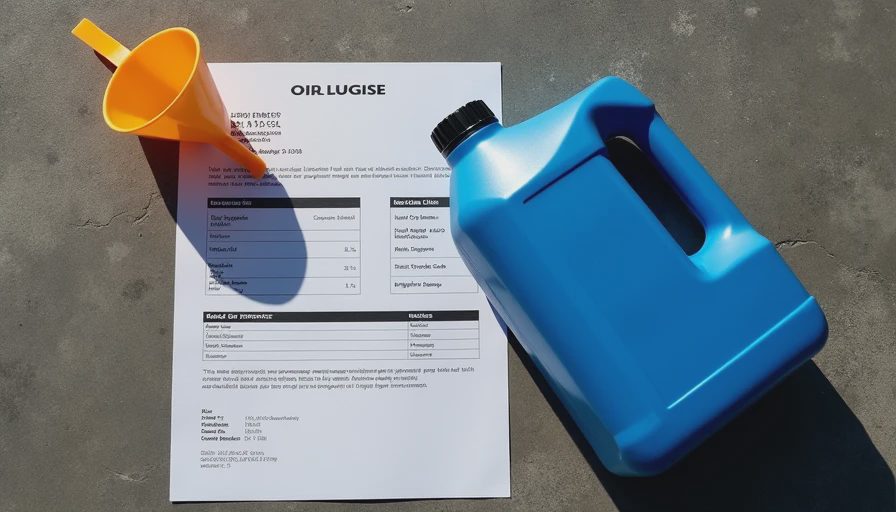
How to read the bottle before you pour it
Start with the owner’s manual, then look at the back label. A good bottle will show the SAE grade, an API service category such as SP, and, when relevant, an ILSAC starburst or OEM approval language. That tells you the oil was tested to meet more than just a viscosity number. Full synthetic versus synthetic blend is another practical point. Both can be sold in 5W-30, but the base stock and additive package can differ a lot in oxidation control, volatility, and cold-weather behavior.
For a parts counter conversation, I usually tell people to ignore the marketing color on the front and read the spec lines on the back. If a customer wants a better cold-start margin for a Minneapolis winter, 5w30 viscosity from a reputable synthetic line often has an advantage over a conventional fill. If the vehicle runs hot, sees long drain intervals, or sits through summer heat, the additive quality and OEM approval matter more than the shiny bottle claims. That is where the manual and the service history earn their keep.
Used oil, top-offs, and disposal matter too
A reference post on engine oil is incomplete without handling the dirty side. Used engine oil should go into a clean, labeled container, away from coolant, brake fluid, and solvents. Mixing streams makes recycling harder and can turn a simple drop-off into a mess. If you spill oil in the shop or garage, absorb it quickly with pads, granules, or kitty litter made for spill control, then sweep and dispose of the waste properly. Never dump oil in the trash, on the ground, or into a storm drain.
For top-offs, use the same grade and a compatible spec whenever possible. Small make-up quantities are common between oil changes, especially in older engines that use a little oil. If consumption is rising, the better move is diagnosis, not a thicker guess. Valve cover leaks, PCV problems, and worn rings will not be fixed by changing the bottle alone.
In practice, 5w30 viscosity is a useful middle-of-the-road choice, but only when the manual and the spec sheet agree. That is the point I keep coming back to in class and at the counter. Read the SAE grade, verify the API or OEM requirement, and match the oil to the machine instead of the shelf label. If you do that, you save time, avoid come-backs, and give the engine the lubricant it was actually designed to use.




No comments yet — be the first to share a thought.