If a turbocharged engine is running poorly, boost sensor symptoms are often the first clue. The boost sensor, also called a manifold absolute pressure (MAP) sensor on many forced-induction engines, measures the pressure inside the intake manifold after the turbocharger builds boost. The engine control module uses that voltage signal to calculate air density, adjust fuel trim, and set ignition timing. When the sensor drifts or fails, the ECM gets bad numbers and drivability problems start. After reading this post, you'll be able to identify the warning signs, run the right diagnostic steps, and decide whether you need a sensor or something deeper in the turbo system.
What a Boost Sensor Actually Does
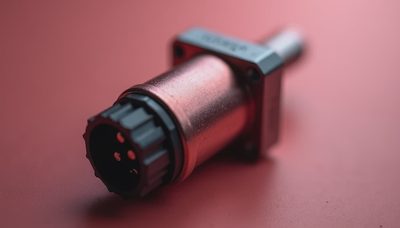
A boost sensor is a three-wire pressure transducer used on many turbocharged gasoline and diesel engines. It gets a 5-volt reference and a ground and returns a signal voltage that rises with manifold pressure. At idle, it reads vacuum or near-atmospheric pressure. Under full throttle, it reads whatever the turbo is producing, often 10 to 20 psi on a stock setup. The ECM uses that reading, along with engine speed and throttle position, to decide how much fuel to inject. A failing sensor can report pressure that is too high, too low, or stuck. That one bad input cascades through the entire fuel and timing strategy.
Reference Box: A boost sensor belongs to the same pressure-sensor family as a MAP sensor. The difference is scaling; a boost sensor is designed to read positive pressure above atmospheric, not just vacuum.
On some engines, the sensor bolts to the charge pipe or intercooler outlet. On others, it is integrated into the intake manifold. Either way, it is a small part that can make or break a forced-induction build.

The Most Common Boost Sensor Symptoms
The most common complaint is a loss of power under load. You might feel a flat spot at 2,500 rpm, a hesitation when passing, or a hard cut in power right when boost should peak. The engine can go into limp mode, with the ECM limiting boost and throttle to protect the catalyst and pistons. The check engine light usually comes on, often with codes like P0238 (boost pressure sensor circuit high), P0236 (sensor range or performance), or P0299 if boost is lower than commanded. Idle surge is another symptom, because the sensor's low-side reading affects fuel delivery when the throttle is closed. Exhaust smoke can turn black under load if the sensor reads too low and the ECM over-fuels, or white or gray if the timing is thrown off. Fuel economy goes down because the engine spends more time in open loop and rich fuel trim.
Boost Sensor Symptoms vs. Turbo Failure
These symptoms can look exactly like a boost leak or a dying turbo, so sort them out before replacing anything. A dead turbo usually adds mechanical noise, like a whistle, a whine, or the sound of a shaft grinding. It also tends to burn oil and leave blue smoke. A bad boost sensor changes engine response but does not change the turbo's sound. If the engine is quiet but falls flat under boost, the sensor and the intake plumbing deserve attention first. Smoke test the intake boots, intercooler, and charge pipes for leaks. A boost leak can create symptoms that mimic a failing sensor because the sensor reads the pressure drop and the ECM reacts. If the sensor reads real pressure but the engine is not making boost, you are looking at a stuck wastegate or a failing actuator. If the sensor voltage is stuck or out of range, replace the sensor before going deeper.

How to Diagnose a Failing Boost Sensor
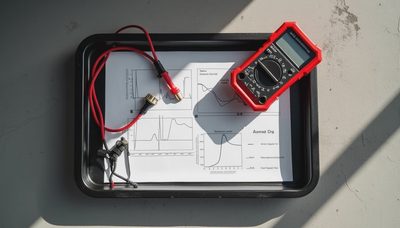
Start with a scan tool that shows live sensor voltage and calculated boost. Key-on, engine off, the sensor should read around 14.7 psi absolute or close to atmospheric pressure. At idle, it should drop to roughly 8 to 10 psi absolute on a MAP-scaled sensor, or to barometric pressure if the sensor only reads boost above atmosphere. Snap the throttle closed and look for a quick spike and a smooth return. Stuck-in-range sensors do not always set a code, so check the voltage with a back-probe or breakout box. A sensor that reads 0.5 volts at idle and never changes should be replaced. A sensor that jumps erratically or reads 4.8 volts at key-on might have a short to power or a corroded connector. If you suspect boost sensor symptoms because the live data looks skewed, inspect the wiring harness and connector before condemning the part.
Clean or Replace a Boost Sensor?
Not every set of boost sensor symptoms ends in a new part. Some sensors fail because carbon and oil film coat the pressure port. A can of mass airflow sensor cleaner can sometimes restore the reading if the contamination is light. But once the internal bridge is damaged, cleaning will not fix it. New boost sensors are not expensive. On most domestic and Japanese turbo cars, an OEM or equivalent sensor runs between $40 and $110. Labor is often less than an hour because the sensor usually bolts to the intake manifold or charge pipe. Compare that to a turbo replacement, which can run $700 to $2,500 with parts and labor. Diagnosing the sensor first pays.
The Bottom Line on Boost Sensor Symptoms
Boost sensor symptoms can look like a major engine problem, but they often have a cheap fix. Learn what the sensor should read at key-on, idle, and under load, and you can separate a bad sensor from a dying turbo in one test drive. Check the factory service manual for the specific code and pinout before ordering anything. Here's the chemistry, here's the spec, here's what to do with it: measure the signal voltage, compare it to expected manifold pressure, and replace the sensor if the numbers lie.

No comments yet — be the first to share a thought.