Checking fuel pressure is the first diagnostic step I teach students when a fuel-injected engine cranks but won't start, stumbles at idle, or goes flat under throttle. After this post, you'll be able to hook up a gauge, read the results against the manufacturer's spec, and know whether the pump, regulator, filter, or injectors are to blame. Here's the chemistry, here's the spec, here's what to do with it.
Why Checking Fuel Pressure Matters
The fuel system has one job: deliver the exact amount of fuel at the exact pressure the injector is rated for. Low pressure makes the engine run lean; high pressure makes it run rich, fouls plugs, and dumps fuel into the oil. Checking fuel pressure tells you which side of the system is drifting before you start replacing parts.
A basic test kit costs about forty dollars at any parts store, and many stores loan one for a deposit. Most port-injected engines have a Schrader service port on the fuel rail. Returnless systems may use a threaded cap. Direct-injection engines hold 2,000 psi or more, so do not use a standard low-pressure gauge; use a scan tool or a high-pressure gauge made for that system.
Tools and Safety Before You Start
Fuel is flammable, and pressure stays in the line even with the engine off. Before connecting the gauge, remove the fuel pump fuse or relay and crank the engine three to five seconds to depressurize the system. Then connect the gauge. Wear safety glasses and keep a shop towel and absorbent pads nearby. Never pinch a return line with pliers.
Reference Box:
SAE J2045 covers the quick-connect fittings on modern fuel lines. If the gauge adapter doesn't seat with a clean click, stop and find the right adapter.
The exact pressure spec is printed on the under-hood emissions sticker or in the service manual. Most port-injected gas engines idle at 35 to 45 psi, but returnless systems can run 60 psi. Never assume; verify.

How to Check Fuel Pressure Step by Step
Here is the sequence I use in the shop.
Relieve pressure first by pulling the fuel pump fuse or relay and cranking until the engine stops. Reinstall the fuse so the pump can prime.
Connect the gauge to the service port. If there is no port, use an inline adapter with the correct quick-connect fitting.
Turn the ignition to run without cranking. The pump should run about two seconds. Read static pressure; a healthy system holds it for at least five minutes. A fast drop points to a leaking injector, a bad check valve, or a bleeding regulator.
Start the engine and watch the gauge at idle. Rev to about 2,500 rpm and watch again. Pressure should stay steady or rise only slightly. A drop under load means the pump can't keep up.
On return-style systems, clamp the return line shut; pressure should climb 8 to 10 psi over spec. If not, the regulator is stuck open. On returnless systems, read the fuel rail pressure sensor with a scan tool.
Reading the Results: Common Faults and Their Causes
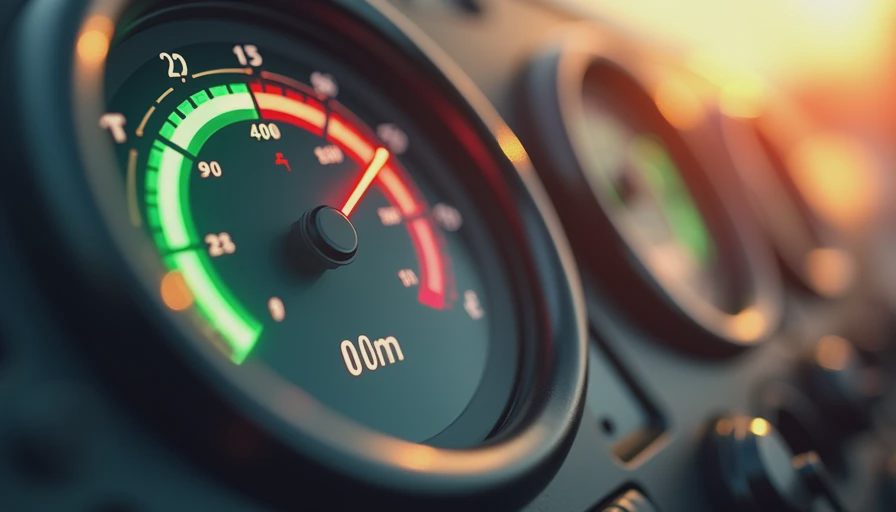
Compare the numbers to spec. Low pressure points to a clogged filter, weak pump, restricted pickup, or wiring problem. Check the filter first. If pressure jumps when you power the pump directly, suspect the relay or harness.
High pressure usually means a pinched return line or a regulator stuck closed. On returnless systems, verify the fuel pressure sensor with a manual gauge before condemning the pump.
If pressure bleeds down after shutdown, an injector is leaking. That causes long cranking and can wash oil off cylinder walls. A gauge shows the drop before hot-start problems appear.
Fuel Pressure vs. Fuel Volume: Don't Stop at the Gauge
A pump can make good pressure and still fail to flow enough fuel. Do a volume test: disconnect the gauge, route the pump output into a graduated container, and energize the pump for fifteen seconds. Most manufacturers call for around a quart in fifteen to thirty seconds. A strong, consistent stream means the pump is moving fuel; a dribble means the pressure reading was a red herring. Checking fuel pressure alone misses this failure mode.
If the flow test is weak, don't stop at the pump. Check the fuel filter and the pump's inlet strainer; a tank full of sediment can starve even a new pump. Also verify the fuel pump wiring can carry the current. A corroded ground connection can drop voltage enough to slow the pump motor without blowing a fuse.
The Bottom Line for Your Next Diagnosis
Checking fuel pressure is a ten-minute test that eliminates half the fuel system with one reading. Find the spec, relieve pressure, connect the gauge, and run the idle and load tests. If the numbers line up with spec, stop ordering fuel parts and check injector pulse, spark, and compression. Fuel pressure is only part of the diagnosis; a fuel sample in a clean jar tells you whether water, ethanol, or varnish is the real problem. Keep a rag under the fitting and never substitute a guess for the manufacturer's spec. That difference saves a customer the cost of a second tow.

No comments yet — be the first to share a thought.