After reading this guide, you will be able to identify common head gasket symptoms, separate combustion leakage from an ordinary coolant leak, choose sensible tests, and explain repair consequences to a customer or vehicle owner. A head gasket is not just a flat seal. It is a precision barrier between combustion pressure, engine oil, coolant passages, and the outside atmosphere. When that barrier fails, the evidence can appear in several systems at once.
What a head gasket does
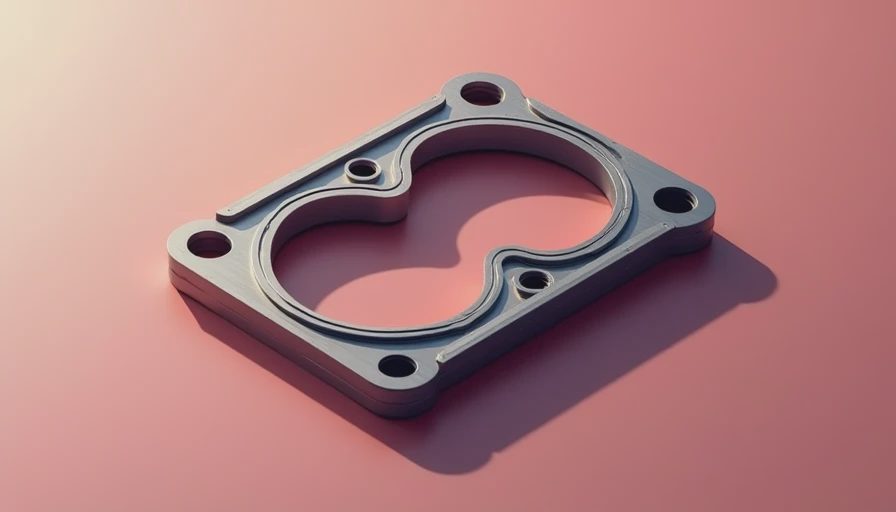
The gasket sits between the cylinder head and the engine block. Its job is to maintain sealing around each cylinder while also isolating oil galleries and coolant jackets. The head bolts provide the clamping load, while the gasket's steel, composite, or elastomer sealing elements accommodate small surface irregularities and thermal movement.
In a gasoline engine, combustion pressure can exceed 1,000 psi during the power stroke. Coolant system pressure is usually far lower, often around 15 to 20 psi, and oil pressure varies with engine speed and bearing clearance. That pressure difference explains why a small breach can push combustion gas into the cooling system. It also explains why coolant does not necessarily enter the cylinder every time.
Reference Box: The deciding principle is pressure direction. A leak path can move combustion gas into coolant, coolant into oil, oil into coolant, or fluid into a cylinder depending on temperature, pressure, and the location of the breach.
A head gasket may fail between two cylinders, at a coolant passage, around an oil gallery, or at the outer edge of the block. Each location produces a different pattern. Do not diagnose the part from one symptom alone.
Common symptoms and what they suggest
White exhaust vapor after the engine is fully warm can indicate coolant entering a cylinder, especially when it has a sweet odor and continues under acceleration. A small amount of vapor during cold startup is normal condensation, particularly in cool weather. The difference is persistence, coolant loss, and whether the affected cylinder shows a clean, steam-washed appearance.
A cooling system that repeatedly builds pressure soon after startup deserves attention. If the upper radiator hose becomes unusually firm within a minute or two of a cold start, combustion gas may be entering the coolant. This is not conclusive by itself; a thermostat problem, trapped air, or overheating can also create pressure.
Other clues include unexplained coolant loss, bubbling in the expansion tank, repeated overheating, a misfire on startup, and engine oil that looks tan or frothy. That oil appearance is often called milkshake oil, but it can also result from condensation on engines used for very short trips. Conversely, some head gasket failures put combustion gas into coolant without mixing coolant and oil at all.
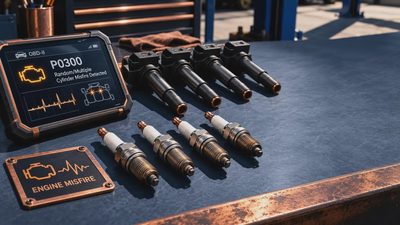
A head gasket failure can also cause two adjacent cylinders to lose compression. The engine may crank evenly but run poorly, with a fault code such as P0300 or a cylinder-specific misfire code. The code identifies a combustion problem, not the failed component, so it must be confirmed with testing.
A practical diagnostic sequence
Start with a visual inspection. Check the coolant level only when the engine is cold, inspect the oil on the dipstick, and look for dried coolant residue around hoses, the thermostat housing, the water pump, and the radiator. External leaks are more common and less expensive than internal sealing failures, so rule them out first.
Next, pressure-test the cooling system with a hand pump. The system should hold the specified pressure for the period recommended by the vehicle manufacturer. A falling gauge points to a leak, but the test cannot always distinguish an external leak from coolant entering a cylinder. Remove the spark plugs and inspect for a wet or unusually clean plug if the evidence suggests an internal leak.
A chemical block tester samples vapor above the coolant and detects combustion gases. Follow the tester instructions carefully because coolant contamination can affect the reagent. A positive result is strong evidence, while a negative result does not eliminate a head gasket problem if the leak occurs only under load or at operating temperature.
Compression testing and leak-down testing add useful detail. Low, neighboring cylinders suggest a breach between cylinders. During a leak-down test, listen at the intake, exhaust, crankcase, and coolant reservoir. Bubbles in the reservoir while compressed air is applied to a cylinder strongly support an internal leak.
Here's the chemistry, here's the spec, here's what to do with it: use several findings together rather than treating a single test as a verdict. Record coolant level, pressure behavior, plug condition, compression readings, and scan-tool data before recommending disassembly.
Why engines overheat and gaskets fail
Overheating is a major cause, but it is often the final event in a longer maintenance problem. A low coolant level, restricted radiator, failed thermostat, weak water pump, slipping belt, blocked passage, or inoperative electric fan can raise head temperature beyond what the gasket and head fasteners can tolerate. Aluminum cylinder heads are especially sensitive to distortion because aluminum expands significantly as temperature rises.
Detonation and preignition create severe local combustion temperatures and pressure. Incorrect ignition timing, lean operation, a damaged fuel injector, excessive carbon deposits, or the wrong spark plug heat range can contribute. On turbocharged engines, boost-control problems can increase cylinder pressure beyond the original design assumptions.
The repair must address the initiating problem. Replacing the gasket while leaving a restricted radiator or defective fan often leads to another failure. On a fleet vehicle, review overheating history, coolant service records, oil analysis if available, and any recent cooling-system work. A contaminated coolant sample can reveal oil intrusion, but a clean sample does not prove the gasket is sound.
Repair scope, cost, and fluid handling
A head gasket repair usually requires removing the cylinder head, checking it for cracks, measuring flatness, replacing torque-to-yield bolts when specified, and following the manufacturer's tightening sequence and angle procedure. The head and block surfaces must be prepared without gouging them. Many modern engines require new intake, exhaust, valve-cover, and coolant seals during reassembly.
Labor commonly dominates the bill. A compact four-cylinder may require roughly $1,500 to $3,000 at an independent shop, while a difficult V6, V8, or tightly packaged turbo engine can exceed $4,000. Machining, a cracked head, damaged catalytic converter, timing components, and severe bottom-end wear can raise the total. Compare that estimate with the vehicle's condition, rust level, mileage, and replacement cost before approving work.
Do not rely on stop-leak products as a general repair. Some sealers can restrict heater cores, radiators, or small coolant passages, making later diagnosis and repair harder. If coolant and oil have mixed, change the oil and filter after the mechanical repair, then inspect the drained oil and consider a second change after a short service interval.
Used coolant and oil require responsible handling. Keep them in labeled, closed containers, prevent ground or drain disposal, and use a local recycling or household hazardous-waste program. Wear eye protection and gloves, and never open a hot pressurized cooling system.
Explaining the result to a customer
If your customer asks, the one-line answer is this: a head gasket is an internal seal, and the diagnosis should prove which pressure or fluid boundary has failed before the engine is opened. Explain the evidence in plain terms: the block test was positive, two neighboring cylinders had low compression, or the cooling system lost pressure with no external leak.
A good estimate should separate diagnosis, machine work, parts, fluids, and possible findings after disassembly. Ask whether the engine overheated, how long it was driven afterward, and whether the warning gauge reached the red zone. Those answers help assess the risk of warped heads, bearing damage, and catalytic-converter damage.
Reference Box: The best repair is not simply installing a new gasket. It is restoring flat sealing surfaces, correct clamping load, proper coolant chemistry, and the cooling-system condition that prevents a repeat failure.
When the evidence is complete, the decision becomes clearer. Repair makes sense when the engine has good compression history, acceptable oil pressure, and a solid vehicle around it. Replacement or retirement may be more practical when overheating caused extensive damage. Measure first, document the findings, and then put the parts and fluids back to work according to the specification.
No comments yet — be the first to share a thought.