If you work under the hood or behind the parts counter, you have likely run across a component called an integrated power module. This single unit replaces a handful of relays and fuses, consolidating power distribution into one sealed box. Here is the chemistry, the spec, and what to do with it—well, the electrical equivalent. Let us break down what an integrated power module is, how to diagnose one, and why your customer cares.
What Is an Integrated Power Module?
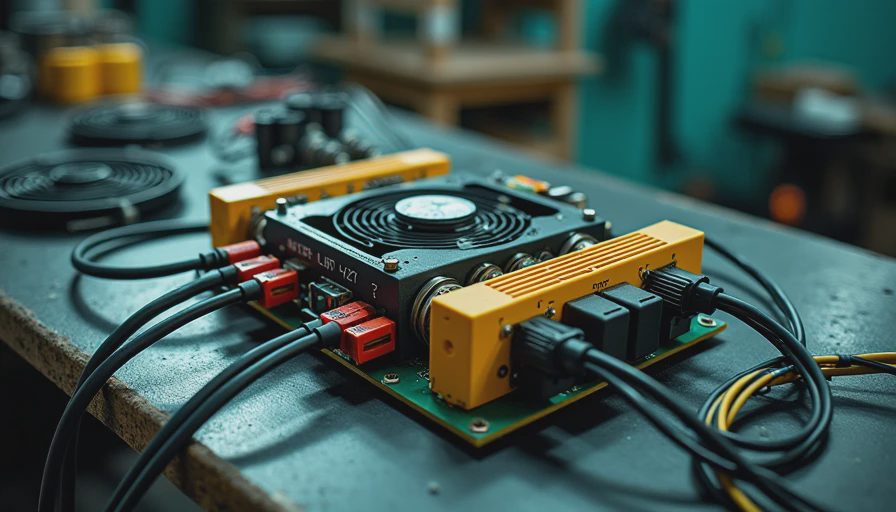
An integrated power module (IPM) is a centralized electronic assembly that manages power distribution to various vehicle systems. Unlike traditional fuse boxes with individual relays and fuses, an IPM houses both the switching and protective circuits on a circuit board inside a sealed enclosure. The SAE does not have a single standard for IPMs—each OEM designs their own—but the function is consistent: take battery and alternator power, protect each circuit, and route it to the right component.
Reference Box: An integrated power module typically contains a microcontroller, power MOSFETs, and current sensors. It communicates with the vehicle's CAN bus to report faults and control loads.
On the spec sheet, the number that decides it is the current rating per channel. Most IPMs handle 5–30 amps per circuit, with total system current up to 200 amps. You will find them on late-model domestic and Asian vehicles, often mounted near the battery or in the engine compartment.
Common Symptoms of a Failing Integrated Power Module
A failing integrated power module can mimic a dead battery, a bad alternator, or a fried relay. Here are the signs I have seen in the shop and the classroom:
- Intermittent electrical problems: Headlights flicker, power windows stop working mid-cycle, or the radio shuts off for no reason.
- No-start condition: The IPM controls the starter relay and fuel pump relay. If the IPM loses power to the starter solenoid, the engine will not crank.
- Engine stall while driving: The IPM provides power to the engine control module (ECM) and ignition coils. A voltage drop inside the module can shut down the engine.
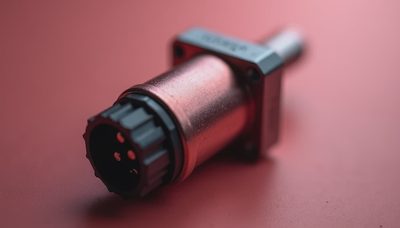
- Burnt smell or visible damage: If the IPM has overheated, you may see melted plastic or corrosion on the connector pins.
One technician I worked with traced a stubborn parasitic battery drain to a faulty IPM that kept a cooling fan relay partially engaged. The drain was 1.2 amps, enough to kill the battery overnight. Replacing the module fixed it. If your customer asks, the one-line answer is: "If the problem happens to multiple systems at once, suspect the integrated power module."
Diagnosing an Integrated Power Module
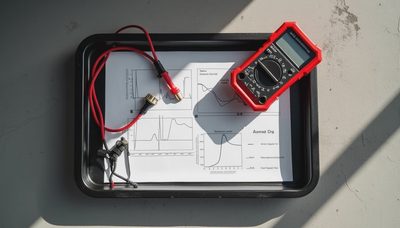
Diagnosing an IPM requires a multimeter, a wiring diagram, and patience. Do not rely on a visual inspection alone. Here is the step-by-step procedure I teach:
- Verify battery voltage and ground. A weak battery can cause voltage readings that look like a module failure. Check battery voltage at rest (12.6 V or higher) and with the engine running (13.8–14.5 V).
- Test input power to the IPM. Using the wiring diagram, locate the main power feed terminal. It should have battery voltage at all times. If not, check the fusable link or battery fuse.
- Check outputs to critical loads. Turn the ignition on. Measure voltage at the starter relay output terminal. You should see battery voltage for 1–2 seconds before the ECM turns it off. Similarly test the fuel pump and ECM power circuits.
- Scan for DTCs. Many IPMs report diagnostic trouble codes like "U0100" (lost communication with ECM) or specific module fault codes. A scan tool that reads manufacturer-specific codes is essential.
- Swap relay function if possible. Some IPMs have interchangeable relays. If you suspect a specific circuit, swap it with a known-good relay in the same module. If the problem moves, the relay is bad; if not, it could be the control circuit.
Integrated Power Module Replacement and Cost Considerations
Replacing an integrated power module is straightforward but can be expensive. The part itself ranges from $150 to $800 depending on the make and model. Luxury vehicles and trucks with multiple auxiliary circuits tend to cost more. Labor adds one to two hours.

Important safety note: Before disconnecting an IPM, disconnect the negative battery terminal and wait two minutes for capacitors to discharge. The module contains high-voltage driver circuits that can shock you.
After installation, you typically need to program the module to the vehicle. Some IPMs learn automatically; others require a scan tool to download the vehicle's configuration. If the module is not programmed, the car may not start or may set a theft deterrent code.
If your customer asks, the one-line answer is: "Expect to spend $300–$1,000 total for parts and labor, and plan for programming time."
How an Integrated Power Module Relates to Insurance Claims
From an insurance perspective, an integrated power module failure can be the root cause of a claim. For example, a short inside the module can start a fire, leading to a comprehensive claim. Or a failure that causes the driver to lose power steering or braking can result in an accident. When assessing damage, adjusters should inspect the IPM for signs of overheating or water intrusion. Knowing the typical failure modes helps technicians and adjusters pinpoint the cause quickly.
Final Thoughts
The integrated power module is a critical part of modern vehicles. It simplifies wiring and improves reliability—until it fails. With the right tools and a wiring diagram, you can diagnose it in under an hour. If your customer is dealing with intermittent electrical gremlins, start your testing at the IPM. Here is the chemistry, the spec, and what to do with it.

No comments yet — be the first to share a thought.