Let's answer the question head-on: is R134a being phased out? Yes, but phased is more accurate than banned. The Environmental Protection Agency has placed R-134a on a production phasedown, and automakers have already moved most new cars to a different refrigerant. For a working technician, a clear answer at the counter matters as much as the chemistry behind it.
Reference Box: R-134a is a single-component HFC refrigerant with zero ozone depletion potential and a global warming potential of 1,430. It is not illegal to use in older vehicles, and no federal rule says you must convert a car to R-1234yf because it originally used R-134a.
Now let's break down the details. Is R134a being phased out? Here is the chemistry, the schedule, and what you do when a customer asks at the parts counter.
What the Phasedown Actually Means
The EPA runs HFC regulation under the American Innovation and Manufacturing Act, known as the AIM Act. The agency sets production and consumption allowances that step down in blocks. R-134a is one of the HFCs covered by that schedule. The 2024 step cut allowances, and further reductions are scheduled through 2036. When allowances drop, the refrigerant industry has less newly manufactured product to sell. Reclaimed and recycled R-134a is a separate supply stream, and that will matter more as time goes on.
For new vehicles, R-134a has been largely replaced by R-1234yf, a lower-global-warming refrigerant. Automakers began switching more than a decade ago. Most vehicles built in the last ten years or so carry a label under the hood showing R-1234yf. That does not make the R-134a in your 2007 sedan suddenly illegal. It simply means the new-car side of the market has moved on.
Can You Still Buy R134a Today?
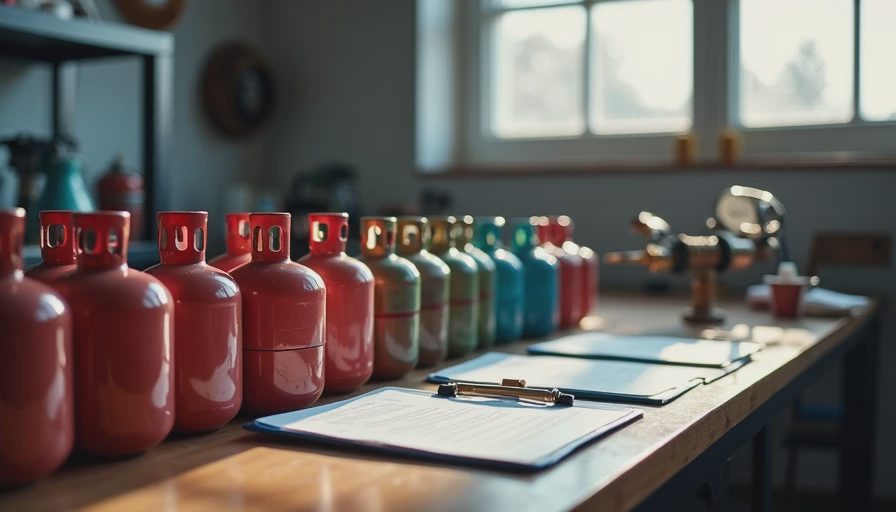
Short answer: yes. Auto parts stores still stock R-134a in cans, and your local refrigerant supplier still delivers 30-pound cylinders. The phaseout affects how much new material is made, not whether a shop can buy it. For now, availability is fine.
Price movement is the bigger change. Production limits tighten in steps, and suppliers pass along their allowance costs. R-134a prices have bounced around and may climb as future cuts take effect. If you run a fleet or a busy AC shop, buying a cylinder before the next scheduled step can save money.
Which Vehicles Still Use R-134a?
In the United States, R-134a became the standard automotive refrigerant around 1995. Automakers used it across the board for years. The switch to R-1234yf began in the early 2010s, and by the end of the decade, R-134a was mostly gone from new-car production. In practical terms, you will still see R-134a on everything from mid-1990s trucks to early-2010s sedans.
The label tells the story. Pop the hood and look for the A/C specification sticker. It will name a refrigerant. If it says R-134a, use R-134a. If it says R-1234yf, do not reach for R-134a, and if it says R-12, you are dealing with a vintage system and another set of rules altogether. When in doubt, check the service manual instead of guessing.
Service Tips for R134a Systems
Servicing an R-134a system is straightforward if you follow the label. Recover the old refrigerant with an EPA-approved machine before opening any line. Replace the receiver drier or accumulator when the system has been open, and torque the manifold hoses to spec. Charge by weight from the underhood sticker, not by pressure alone, because temperature changes the gauge reading. Add the listed amount, then check vent temperature. A system that is low on charge can feel fine until the compressor cycles too often.

The other habit that saves headaches is refreshing the old o-rings. R-134a systems are sensitive to air and moisture. If the compressor has been replaced, flush the rest of the loop. If you are simply recharging because of a slow leak, find the leak first. Refrigerant oil and fluorescent dye will show you where the system is weeping, and adding dye now can make the next diagnosis much faster.
What to Tell a Customer at the Counter
If your customer asks is R134a being phased out for their vehicle, the one-line answer is: not your vehicle. Existing R-134a systems can be serviced indefinitely. There is no mandatory retroactive conversion rule. A customer with a 2004 Civic or a 2008 F-150 can keep using R-134a. Tell them to fix leaks before adding refrigerant. R-134a is a greenhouse gas, and the EPA requires shops to use approved recovery equipment. If your shop lacks a Section 609-certified technician and an authorized recovery machine, fix that first.
What to Watch For in the Coming Years
The next big allowance step on the HFC schedule is not far off. Expect reclaimed R-134a to become a larger part of the market. Several suppliers already offer recycled product that meets the same purity specifications as virgin material. For most AC work, reclaimed refrigerant works fine. Long term, the cost gap between R-134a and R-1234yf will probably narrow.
Bottom Line for Shops and DIYers
So, is R134a being phased out? Yes, but gradually. The refrigerant is not banned from use, and existing systems are not obsolete. The change is on the supply side: new production is being cut in steps, and new cars no longer use it. Service what is in front of you, use the right refrigerant for the label, and keep recovery equipment in order. Here's the chemistry, here's the spec, here's what to do with it.

No comments yet — be the first to share a thought.