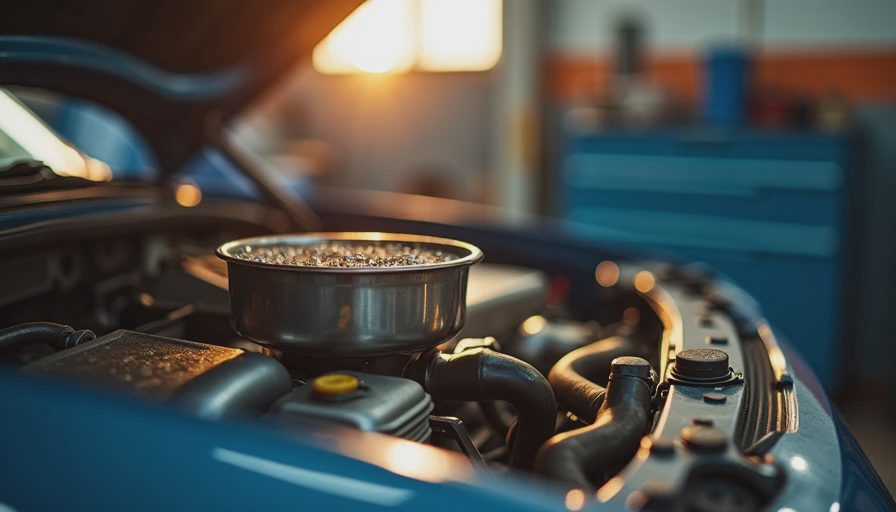
If you are trying to figure out whether **metal in engine oil** is normal break-in material or a warning sign, this guide will give you the fast reference. You will be able to look up what the particles usually mean, where they come from, how to inspect them, and what to do next before a small problem becomes an engine replacement. Here's the chemistry, here's the spec, here's what to do with it.
What metal in oil usually tells you
A small amount of very fine metallic material can be normal, especially in a fresh engine, after major internal work, or on a magnetic drain plug at service time. What matters is the amount, the particle size, the color, and whether the engine is also showing symptoms such as low oil pressure, ticking, knocking, or misfire. In classroom terms, I tell students to separate shimmer from fragments. A light gray or silver sheen in drained oil is one thing. Visible flakes, chips, or needle-like particles are another.
**Reference Box:** In used oil analysis, wear metals are commonly tracked by ASTM methods, while viscosity and contamination checks often reference ASTM D445 and related lab procedures.
Ferrous particles usually point toward steel or iron wear from cylinders, camshafts, crankshafts, timing components, or oil pump parts. Nonferrous material can suggest bearing overlay, bushings, thrust surfaces, pistons, or aluminum housings. If your customer asks, the one-line answer is this: fine dust can be routine, but chunks mean stop and inspect.
What the particle type and color can reveal
The first shop-floor check is simple: strain a sample of drained oil through a clean white towel or lint-free filter media and look closely under bright light. Then use a magnet. If the material sticks, you are likely dealing with iron or steel. If it does not, think aluminum, copper, lead, tin, or bearing material.
Silver glitter often suggests steel or aluminum. Coppery or bronze-colored material can point toward bushings or bearing layers. Dull gray paste on a magnetic drain plug is common in many engines and manual gearboxes; it is made of extremely fine ferrous wear debris held in oil. What you do not want is sharp flakes you can feel between your fingers.
On the spec sheet, the number that decides oil thickness is the SAE grade, such as SAE 5W-30 under SAE J300. But viscosity grade does not diagnose wear by itself. An engine with the correct API SP oil can still produce **metal in engine oil** if a bearing is failing, timing chain wear is accelerating, or dirt ingestion has started an abrasive wear cycle.
Common sources: bearings, valvetrain, timing set, and dirt entry
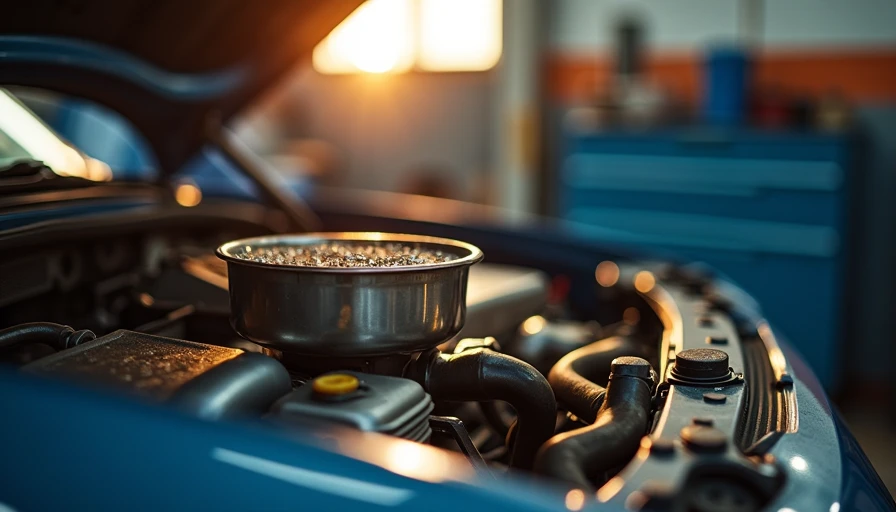
In practical diagnosis, most concerning sources of **metal in engine oil** fall into four groups. First is bearing distress. Rod and main bearings can shed soft overlay materials before the hard layers are exposed. That often shows up with low oil pressure, knock, or increasing debris after each oil change. Second is valvetrain wear. Flat tappet systems, cam lobes, followers, and rocker interfaces can produce magnetic material when lubrication fails or additive chemistry is mismatched.
Third is timing system wear. Modern engines with long chains, guides, and tensioners can release ferrous dust and sometimes plastic fragments into the sump. Fourth is dirt entry. A damaged intake tube, poor air filter seal, or crankcase ventilation issue can admit silica and grit. Once hard dirt gets into the oil, it acts like lapping compound and increases wear on rings, cylinders, and bearings.
**Reference Box:** API service categories such as API SP define performance requirements for modern gasoline engine oils, but they do not override the vehicle maker's viscosity and specification requirements.
If there was recent engine work, include assembly debris or incomplete cleaning in the possibilities. I have seen fresh gasket scrapings and residual honing material create false confidence because the engine still sounded fine for a while.
How to inspect it without guessing
Start with the basics before tearing anything apart. Cut open the oil filter with a proper filter cutter, spread the media, and inspect for shiny debris. The filter is often more informative than the drain pan because it concentrates what circulated through the system. Note whether the debris is fine powder, flakes, or larger chips. Photograph what you find and compare it after the next service if the engine is still being monitored.
A used oil analysis can help when the symptom is subtle. Labs report wear metals such as iron, copper, aluminum, lead, and chromium in parts per million, along with viscosity, fuel dilution, coolant contamination, and insolubles. Trend data is more useful than a single sample, but even one report can tell you whether the wear pattern is ordinary or moving in the wrong direction.
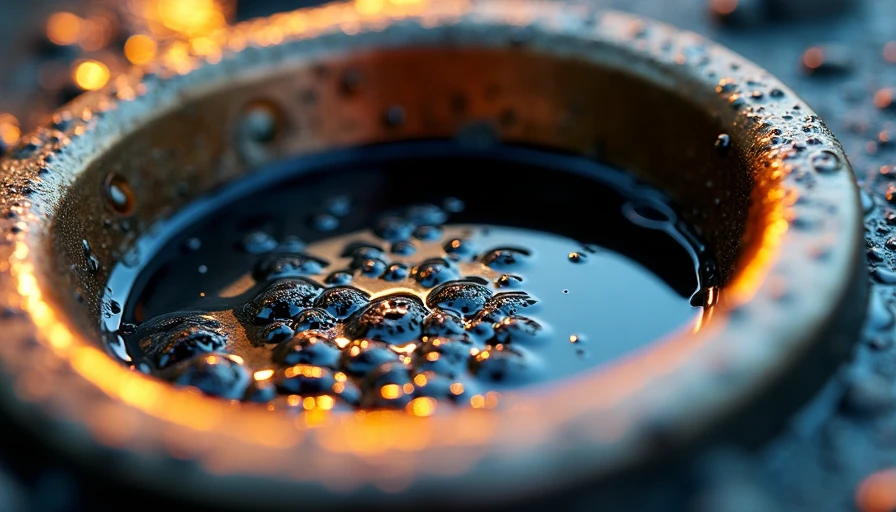
Also check the drained oil for fuel smell, coolant contamination, or heavy oxidation. Milky oil points toward water or coolant. Strong fuel odor suggests dilution, which can thin the lubricant film and accelerate wear. If the oil pressure light has come on, or if there is knocking, do not keep road-testing just to gather more clues.
When to stop driving and what to do next
If you find heavy **metal in engine oil**, visible flakes in the filter, or matching symptoms like knock, ticking, or low oil pressure, the right move is to stop operating the engine until you know the source. Continued running can turn a repairable cam, chain, or bearing problem into a ruined crankshaft, block, or turbocharger if equipped.
For a high-value daily driver or fleet unit, the next step is usually a structured inspection: verify oil pressure with a mechanical gauge, review service history, inspect the filter, sample the oil, and listen with a stethoscope or chassis ear. Compression and leakdown testing can help if cylinder or ring wear is suspected. On overhead-cam engines, remove the valve cover if access is reasonable and look for scoring, blue heat discoloration, or abnormal chain slack.
If your customer asks, the one-line answer is this: a trace of paste on a magnet can be normal, but repeated glitter, flakes, or chips mean diagnosis now, not next month. Use the correct SAE grade and the required API or OEM specification, maintain clean air filtration, and do not ignore the first sign of debris. Wear metals are a message. Read them early, and you often save the engine.
Safety and disposal notes
Used engine oil can contain combustion byproducts, fuel residue, and wear metals, so handle it with nitrile gloves and avoid prolonged skin contact. Store drained oil in a sealed, labeled container and recycle both oil and filters through an approved collection program. Do not dump oil on the ground, in storm drains, or in regular trash. In shop settings, keep absorbent on hand for spills and follow local, state, and federal disposal rules.
Here's the chemistry, here's the spec, here's what to do with it: identify the metal type, inspect the filter, trend the condition, and stop driving if the debris is anything more than fine normal paste.



No comments yet — be the first to share a thought.