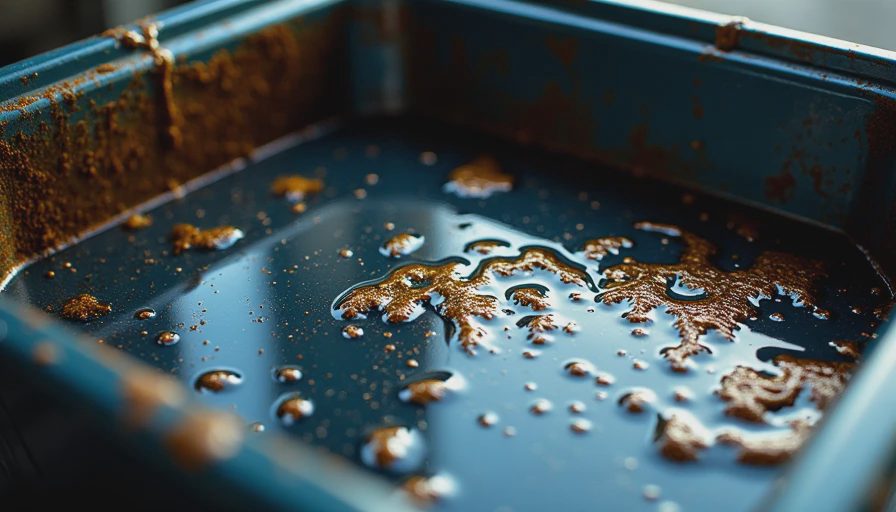
If you found **metal in car oil**, this post will help you look up three things quickly: what kind of metal you are likely seeing, whether it points to normal break-in debris or a failure pattern, and what the next inspection step should be. Here's the chemistry, here's the spec, here's what to do with it. Small metallic particles can come from ordinary wear, but flakes, glitter, or magnetic fuzz can also warn of bearing, valvetrain, timing, or piston damage. The key is not to guess from one shiny drain pan alone. You need to check particle size, magnetism, oil filter debris, noise, and service history together.
What metal in engine oil usually looks like
When a technician says there is metal in the oil, that can mean several different things. Fine gray paste on the drain plug magnet is often ferrous wear material, usually iron or steel. Bright nonmagnetic glitter may point toward aluminum from pistons, housings, or some bearing structures. Yellow or bronze-colored particles can suggest copper-containing bearing layers or thrust surfaces. In a healthy engine, trace wear metals exist at microscopic levels, which is exactly why oil analysis labs report iron, copper, aluminum, lead, chromium, and silicon in parts per million.
**Reference Box:** ASTM D5185 is the common lab method for elemental analysis of used oil; it measures wear metals in suspension, not the large chunks trapped in a filter.
What matters in the shop is scale. A light haze in used oil is different from visible flakes on your fingertip. If the oil sparkles in sunlight, or you can feel grit between gloved fingers, that is no longer a routine observation. On the spec sheet, the number that decides it is not viscosity alone. SAE J300 viscosity grade tells you the oil's thickness range, but particle contamination and wear must be judged by inspection, filter cutting, and sometimes lab analysis.
When metal in car oil is normal and when it is not
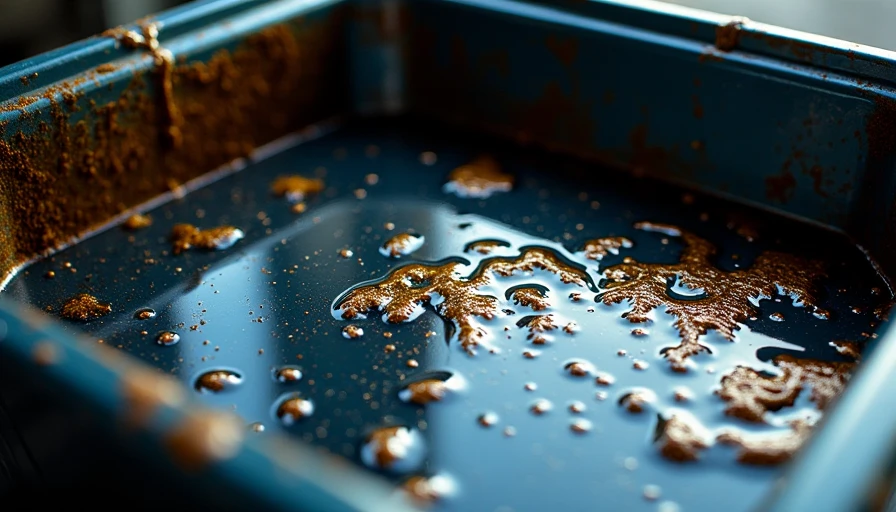
There are limited cases where **metal in car oil** is not immediately catastrophic. A fresh engine rebuild may shed a small amount of break-in material during the first oil change. The same can happen after major valvetrain work, timing component replacement, or a short interval following a failure cleanup. Even then, the amount should decrease quickly on the next service. If it increases, you are not looking at harmless break-in anymore.
If your customer asks, the one-line answer is this: visible metal after the early break-in period is a warning sign, not a maintenance bonus. Modern full-flow oil filters catch much of the larger debris, so if you can plainly see metal in drained oil, enough wear is occurring to overcome the system's normal control.
Pay attention to symptoms that travel with the debris. Low oil pressure, knocking on startup, ticking that grows with rpm, misfire, overheating, and sudden oil consumption all raise the risk level. A single tiny speck in dark oil is one thing. Repeated glitter at every oil change, especially with noise, is another. In those cases, continued driving can turn a repairable problem into a complete engine replacement.
How to identify the likely source of the particles
Start simple. Drag a magnet through the drained oil or inspect the magnetic drain plug, if equipped. Magnetic debris usually means iron or steel from camshafts, timing chains, cylinder liners, crankshafts, oil pump gears, or other ferrous parts. Nonmagnetic silver material often points toward aluminum from pistons, front covers, or block surfaces. Copper or bronze tones can indicate bearing overlay exposure, bushing wear, or thrust washer distress.
Next, cut open the oil filter. This is one of the fastest high-value checks in the bay. Spread the media and inspect it under good light. Large flakes, curled slivers, or heavy glitter in the pleats tell you much more than the drain stream alone. **Reference Box:** Use a proper filter cutter, not a saw, so you do not contaminate the evidence with steel filings from the tool.
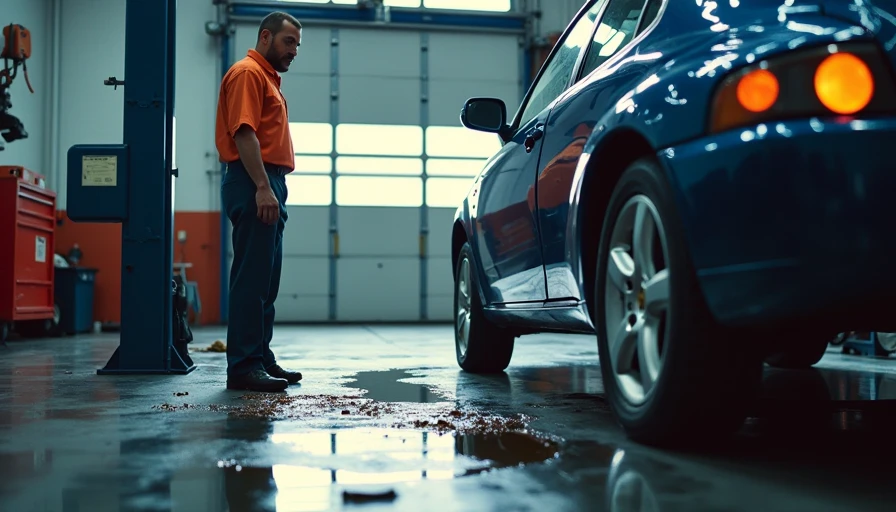
Also look at recent work history. Silicone sealant excess can break loose and circulate. Dirt entry from poor air filtration raises silicon and can accelerate ring and cylinder wear. Coolant intrusion changes lubrication chemistry and can attack bearing surfaces. API service category and OEM viscosity compliance matter here because the wrong oil can worsen wear protection, especially in engines designed around low-viscosity grades like SAE 0W-20 or 5W-30.
The right next steps before you approve more driving
If you see **metal in car oil**, do not jump straight to pouring in thicker oil and hoping it quiets down. That can mask symptoms without fixing the source. First, document oil level, viscosity grade used, drain interval, filter type, and any active diagnostic trouble codes. Then listen for knock, tick, chain rattle, or piston noise. If oil pressure is low or the engine is audibly knocking, shut it down and move to mechanical inspection.
A used oil analysis can help when the vehicle still runs normally and you are trying to trend wear rather than diagnose a clear failure. Ask for wear metals, viscosity, oxidation, fuel dilution, water, glycol indication, and insolubles. That gives context. Elevated iron alone suggests a different pattern than rising copper plus lead, which can point more strongly toward bearing distress.
Compression testing, leak-down testing, and oil pressure testing are practical next moves if debris is confirmed. For fleets, trending repeat samples at fixed intervals is often cheaper than waiting for a roadside failure. For a daily driver, the decision is simpler: if the amount of metal is visible, repeatable, and paired with noise or low pressure, plan for teardown or replacement rather than extended operation.
Safety, handling, and disposal rules that still matter
Used engine oil should always be handled with nitrile gloves and stored in clean, labeled containers. If you are checking **metal in car oil** at home or in a small shop, avoid skin contact and keep oily rags contained. Used oil can carry fuel, soot, combustion byproducts, and trace metals. Do not dump it on the ground, into a drain, or into household trash.
**Reference Box:** In the U.S., used oil management is generally covered under EPA used oil rules in 40 CFR Part 279. Local collection and recycling requirements can add more detail.
If you cut a filter open, drain it fully and package the metal-contaminated waste properly for recycling or disposal according to local rules. Wipe spills with absorbent, not a water hose. From a teaching standpoint, this is worth repeating: debris diagnosis is useful, but contamination control is part of the job. A clean sample, a clean work surface, and proper disposal make your conclusion more reliable.
The practical takeaway is straightforward. A trace amount of fine wear metal may be normal in specific situations, but visible flakes, glitter, or magnetic sludge deserve follow-up. Check the magnet, cut the filter, verify oil pressure, and correlate with noise and service history. That is the disciplined way to judge metal in car oil.



No comments yet — be the first to share a thought.