Oil Cartridge Filter: What It Does, When to Replace It, and How to Choose the Right One
If you have looked under the hood of a newer car, you have probably seen an oil cartridge filter instead of the familiar metal canister. This design uses a reusable housing and a replaceable media element, so you only swap the inside part. Here's the chemistry, here's the spec, here's what to do with it. In this guide you'll learn how an oil cartridge filter works, how to replace it without spilling oil everywhere, and how to choose the correct part for your engine.
What Is an Oil Cartridge Filter?
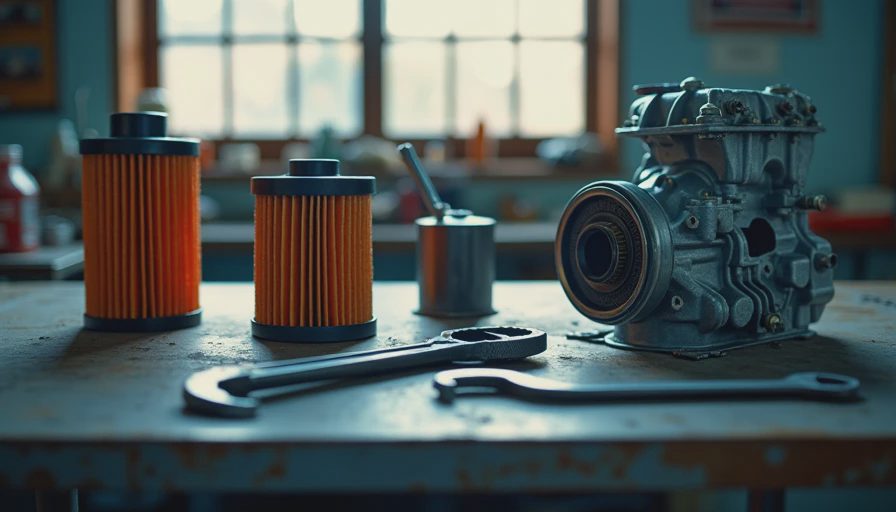
An oil cartridge filter is a two-piece assembly. The housing is a metal or composite canister bolted to the engine block. Inside sits a pleated element made of cellulose, synthetic fibers, or a blend of both. A rubber seal keeps the joint tight. Oil from the pump pushes through the filter media, trapping debris while clean oil flows back into the engine.
Reference Box: The nominal filtration rating is the number to check. Most passenger-car oil filters catch particles down to 20 to 40 microns. A lower micron rating traps more but can restrict flow; a higher rating flows better but lets smaller particles pass.
Why did automakers switch from spin-on filters? The cartridge design generates less landfill waste because the steel housing is reused. Many European brands have used cartridge filters for decades, and more domestic and Asian models are adopting them. The plastic or aluminum housing cap is removed with a dedicated socket, and the element lifts out for inspection. This lets a technician see metal shavings or sludge before they cause big trouble.
How an Oil Cartridge Filter Differs from a Spin-On Filter
The biggest difference is the housing. A spin-on filter is a sealed steel canister with a threaded base; you take the whole thing off with an oil filter wrench. A cartridge filter has a cap, usually 24 to 36 millimeters across, that you remove with a socket or filter cup. The element comes out and the housing stays on the engine.
The price difference is real. A typical cartridge element runs $8 to $15 at the parts counter. A spin-on filter costs $6 to $12, but every spin-on filter throws away the steel and packaging. If you pay for waste disposal, the cartridge system is usually cheaper over the long run. The trade-off is that the cap must be torqued correctly. Most caps need just 18 to 25 ft-lb. Over-tightening can crack the housing and drain the engine; under-tightening lets the seal weep.
When Should You Replace an Oil Cartridge Filter?
Replace the oil cartridge filter at every oil change, no exceptions. Most OEM service intervals are 5,000 to 7,500 miles with conventional oil and 7,500 to 10,000 with synthetic. Severe use, such as short trips, dusty roads, or towing, shortens that window. The old habit of changing the filter every other oil change came from the spin-on era; cartridge elements are not designed for that.
If your customer asks, the one-line answer is: if the oil is being drained, the filter element comes out too. There is no separate service interval for the cartridge filter. Skipping it to save ten dollars is a bad trade when the engine starts ticking.
How to Replace an Oil Cartridge Filter
Drain the oil first. You do not have to empty the housing before opening it, but keep a drain pan nearby because oil will spill from the housing when the cap comes off.

Use the correct socket or filter cup for the cap. Many are plastic, so a six-point socket reduces the chance of rounding the corners. Pull the old element and inspect it for metal debris or sludge. Wipe the housing bore clean with a shop rag. Do not use solvent that leaves a residue.
Install the new element, pushing it down until it seats. Some designs have a center rod or retaining nut. Replace the o-ring on the cap and lubricate it with fresh oil. Torque the cap to spec, start the engine, and check for leaks. The whole job takes about ten minutes. A basic 36 mm filter cup costs under $12 at an auto parts store, and it pays for itself in the first oil change.
How to Choose the Right Oil Cartridge Filter
Check the owner's manual or the parts catalog for the exact part number. Do not rely on thread size or housing dimensions alone. Cross-reference the OEM number to a known brand like Wix, Mann, Bosch, or Purolator. Each brand builds to a different spec, like the bypass valve setting and the anti-drainback valve.
The anti-drainback valve stops oil from draining out of the filter when the engine is off. A silicone valve holds up better in heat than nitrile. The bypass valve opens when the filter is clogged, so oil still reaches the engine. If the bypass pressure rating is wrong, the engine can briefly starve for oil on a cold start. Stick with a reputable brand and buy from a source you trust.
Disposal and Safety
Used oil cartridge filters are treated as hazardous waste because they hold oil. Most states require draining the filter for at least 12 hours before disposal, or crushing the dome to force the oil out. Many parts stores, including AutoZone and Advance Auto Parts, accept used filters for recycling. Store the drained oil in a sealed container and take it to a collection center. Never toss a dripping filter into the regular trash.
Follow the same rule for the oil that comes out of the housing. A clean, dry filter is much easier to handle, and a shop that manages used fluid properly is a safer place to work. If you have questions about local rules, check with your municipal waste authority. Here's the chemistry, here's the spec, here's what to do with it.

No comments yet — be the first to share a thought.