If you're reading this because a check engine light just came on, you're in the right place. Oxygen sensor replacement is one of the most common jobs I teach in my automotive technology classes. This post covers the symptoms, the diagnostic steps, the realistic cost, and whether you can safely do the work yourself.
What the Oxygen Sensor Actually Does
The oxygen sensor, sometimes called the O2 sensor, measures unburned oxygen in the exhaust. The engine control module uses that voltage signal to adjust the air-fuel mixture. Modern cars have upstream sensors before the catalytic converter and downstream sensors after it. Upstream sensors control fuel trim; downstream sensors monitor converter efficiency. A failing upstream sensor will hurt fuel economy and often trip a check engine light.
A healthy zirconia sensor cycles between roughly 0.1 and 0.9 volts several times per second. When that switching slows down or sticks, the computer sees a degraded signal and starts adjusting the mixture incorrectly.
Symptoms That Point to a Failing Oxygen Sensor
Not every misfire or fuel smell means the O2 sensor is dead. But certain symptoms show up again and again:
A check engine light with code P0130 through P0175 is the classic sign. A persistent drop in fuel economy is another. A rough idle or hesitation during acceleration can also appear, though those symptoms have other causes.
Don't fall for the parts-store sensor lottery. If the customer comes in with a P0420 code, that's a catalytic converter efficiency code, not a sensor failure. Replacing the oxygen sensor because the code says circuit without checking the actual signal is how you do the job twice.

Confirm the Diagnosis Before You Order Parts
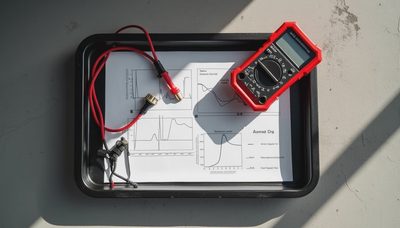
Read the live data on a scan tool. Look at the sensor voltage and fuel trim numbers. If the upstream sensor voltage stays flat at around 0.45 volts with the engine warm, the sensor is lazy or dead. If the signal is stuck high or low, check wiring and connector before condemning the sensor.
Also check for exhaust leaks. A leak upstream of the sensor pulls in outside air, makes the sensor read lean, and misleads the computer. Smoking the exhaust system finds those cracks fast.
Reference Box: The one-line answer for a slow-switching O2 sensor — if the voltage doesn't cycle through the full range during a steady cruise, replace the sensor, not the cat.
What Oxygen Sensor Replacement Costs at a Shop
In my area of Ohio, a typical oxygen sensor replacement at a local shop runs between $150 and $500 total. The sensor itself, for a common Honda, Toyota, or Ford, costs $40 to $150 depending on OEM or aftermarket. Shop labor adds 0.5 to 1.0 hour at $80 to $150 per hour.
So the total breaks down this way: a cheap import sensor plus a quick rear swap might land near $200. A dense manifold sensor with rusted threads on a V6 could push past $400. Access and rust matter more than the sensor itself.
If your customer asks, the one-line answer is: plan for $150 to $500 and get a written estimate.
Is DIY Oxygen Sensor Replacement Worth It?
Doing the replacement yourself can save $100 to $200 in labor. The procedure on many vehicles is straightforward: disconnect the electrical connector, use an O2 sensor socket on a breaker bar to unscrew the old sensor, apply anti-seize to the threads if the new sensor doesn't have it pre-applied, thread it in by hand, and torque to spec.
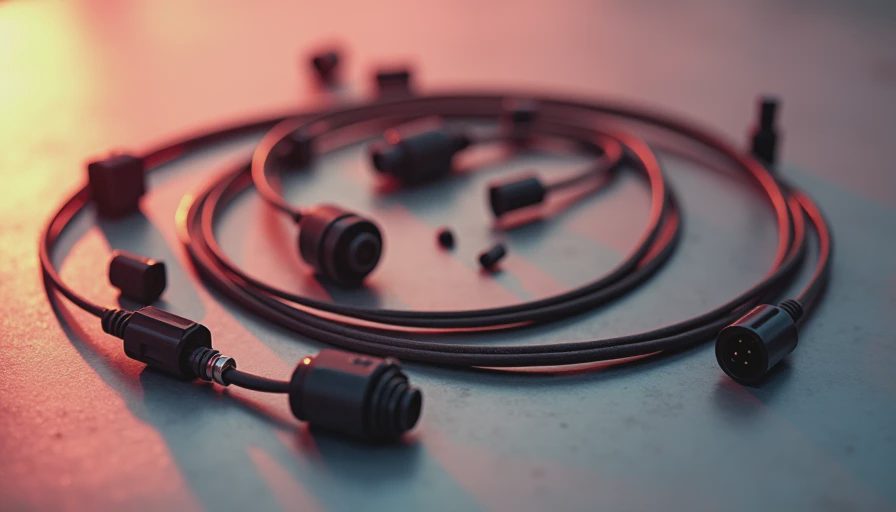
What turns the job sideways is corrosion. On northern cars, the sensor can seize into the manifold. Heat from a preceding drive or a propane torch is the standard trick for breaking the rust loose. And be careful with the wires — more than one DIYer has shredded a harness by forgetting to unclip the connector.
The other hidden cost is diagnosis. If you swap the sensor and the light comes back, you've wasted time and money. That's why I always recommend confirming the diagnosis with live data before pulling out the socket.
Safety and Disposal: Handle the Old Sensor With Respect
The old oxygen sensor isn't household trash in most states. It contains a ceramic element and, in some cases, small amounts of platinum. Scrap metal yards and many auto parts stores accept O2 sensors for recycling. Check with your local parts store before you toss it in the bin.
While you're under the car, let the exhaust cool down or wear insulated gloves. Never work on a vehicle supported only by a jack; use jack stands. Keep penetrating oil or anti-seize off the sensor tip — that contaminates the reading.
The Bottom Line on Oxygen Sensor Replacement
Here's the chemistry, here's the spec, here's what to do with it. An oxygen sensor replacement is a well-defined repair when the diagnostic says the sensor is the problem. Match the new sensor to the vehicle's OEM part number, torque the threads correctly, and reset the engine computer if necessary. With the right diagnosis, this job restores fuel economy and clears that check engine light.
If you're on the fence, start with a scan tool readout, not a parts cannon. The sensor is usually a straightforward fix, but only after you've ruled out wiring, exhaust leaks, and the catalytic converter itself.

No comments yet — be the first to share a thought.