After reading this guide, you will be able to explain P0420 code efficiency in plain shop language, identify what the oxygen sensors are reporting, and build a diagnosis before selling a catalytic converter. The code is commonly described as “Catalyst System Efficiency Below Threshold, Bank 1,” but that wording does not prove the converter alone is defective. A fuel, ignition, exhaust, or fluid-contamination problem can produce the same result.
What P0420 code efficiency actually means
P0420 code efficiency is calculated from oxygen-sensor behavior before and after the catalytic converter. The upstream sensor, usually called Sensor 1, monitors oxygen in the exhaust as the engine management system adjusts fuel. The downstream sensor, Sensor 2, watches the oxygen content after the converter. When the catalyst is working properly, the downstream signal is comparatively steady. The converter stores and releases oxygen as it converts carbon monoxide and unburned hydrocarbons into less harmful gases.
When the downstream waveform begins to resemble the upstream waveform, the powertrain control module concludes that catalyst oxygen-storage capacity has fallen below its calibrated threshold. That is the chemistry behind the code. It is not a direct measurement of a clogged substrate, a broken brick, or a bad sensor.
Reference Box: A healthy three-way catalytic converter uses precious-metal catalyst surfaces to promote oxidation and reduction reactions. P0420 indicates insufficient observed conversion performance, not a specific failed component.
The term “Bank 1” matters on a V6 or V8 because it identifies the cylinder bank containing cylinder number one. On an inline-four engine, there is only one bank, so Bank 1 is the entire engine. Some vehicles use separate converters for each bank, while others route both banks into a shared assembly. Confirm the exhaust layout before ordering parts.

Start with the engine, not the converter
A converter cannot repair an engine that is sending it the wrong exhaust. Begin by checking for additional diagnostic trouble codes. Misfire codes, fuel-trim codes, mass-airflow faults, evaporative-emissions faults, and coolant-temperature problems should be addressed first. A persistent misfire can overheat the catalyst quickly, while a rich mixture can load the substrate with fuel and damage its washcoat.
Look at freeze-frame data for engine speed, load, coolant temperature, short-term fuel trim, and long-term fuel trim. A P0420 code set during a fully warm cruise tells a different story from one set during a cold start or heavy acceleration. Clear codes only after recording the information, then verify whether the same monitor runs again under similar conditions.
Inspect for exhaust leaks between the engine and the downstream oxygen sensor. Even a small leak at a manifold flange, flex pipe, weld, or sensor bung can draw outside oxygen into the exhaust stream. The sensor then reports an oxygen pattern that makes the converter appear less effective. A smoke machine, regulated low-pressure test, or careful visual inspection can reveal leaks that are difficult to hear in a noisy shop.
If the engine burns oil or loses coolant internally, do not skip that evidence. Phosphorus from oil ash and silicone or other coolant-related deposits can poison the catalyst surface. Replacing the converter without correcting worn valve seals, piston rings, a head-gasket leak, or an intake problem often produces a repeat failure.
Testing sensors and catalyst performance
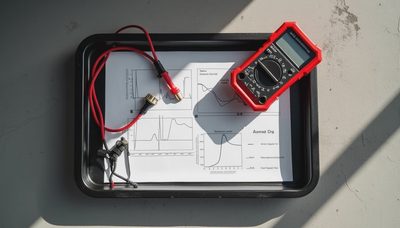
A scan tool with graphing capability is more useful than replacing an oxygen sensor on instinct. With the engine at operating temperature, observe the upstream sensor as fuel control becomes active. On many vehicles, a conventional narrowband upstream sensor switches rapidly, while the downstream sensor changes more slowly if the catalyst is storing oxygen correctly. Wideband systems use different voltage and current patterns, so the service information for that vehicle takes priority.
The downstream sensor should not be judged by one voltage number. A sensor sitting near a particular voltage does not automatically prove the converter is good or bad. Compare switching rate, response during a controlled throttle change, fuel-trim behavior, and the conditions in which the monitor fails. A professional scan tool can also display catalyst-monitor status and oxygen-storage test data when the manufacturer provides it.
Backpressure testing helps when a restricted converter is suspected, but restriction and low conversion efficiency are different failures. A converter can be chemically ineffective without causing a power complaint, and a melted or collapsed substrate can create high backpressure before it creates a P0420 code. Measure pressure ahead of the converter under the specified test conditions rather than guessing from tailpipe flow.
P0420 code efficiency should therefore be treated as a system diagnosis. If the upstream and downstream signals are nearly identical, first prove that both sensors receive sound wiring, clean reference grounds, and no exhaust dilution. Sensor heaters, damaged harnesses, and loose connectors can distort the data. Never condemn a sensor solely because the code mentions catalyst efficiency.

How fluids and maintenance history affect the result
Lubricants and coolants are part of this diagnosis because combustion contamination eventually reaches the catalyst. An engine using a quart of oil every few hundred miles can send ash-forming additives into the exhaust. The exact additive package depends on the oil formulation, but no modern catalyst is designed to absorb unlimited oil-derived ash. Use the manufacturer’s specified viscosity and performance category, and investigate the consumption rather than trying a thicker oil as a permanent repair.
Coolant entering the combustion chamber can produce white exhaust, sweet odor, misfire symptoms, a dropping reservoir level, or unusually clean steam-washed spark plugs. Some coolant contamination can damage oxygen sensors and catalyst coatings. A cooling-system pressure test, combustion-gas test, compression test, or leak-down test can help separate an internal engine fault from an exhaust aftertreatment fault.
Do not pour fuel-system cleaner, solvent, or an unapproved additive into the tank expecting it to restore a damaged converter. Some cleaners are appropriate for particular deposits, but none can rebuild a melted substrate or replace lost catalyst material. Used oil, coolant, and cleaning chemicals should be collected in labeled containers and handled through approved recycling or waste channels. Keep them off skin and away from ignition sources.
When replacement is justified
Replacement becomes reasonable after the engine runs correctly, no relevant exhaust leak is present, sensor data is credible, and the catalyst monitor repeatedly fails. Check the vehicle identification number, emissions configuration, California or federal certification, engine family, and bank location before selecting a converter. The correct part is not simply the one that physically fits; emissions labeling and catalyst capacity must match the application.
A direct-fit assembly from a reputable supplier generally costs more than a universal converter because it includes formed pipes, flanges, heat shields, and application-specific catalyst volume. Labor can range from about one to several hours depending on rust, access, and sensor condition. On older vehicles, seized fasteners and damaged oxygen-sensor threads can add substantial time. Explain those variables before quoting the job.
After installation, repair any root cause, clear the codes, and complete the required drive cycle. The catalyst monitor may need a cold start, steady cruise, deceleration, and additional time at operating temperature. A code that does not return immediately does not prove the repair is complete; monitor readiness and inspect for pending codes.
A practical counter answer for P0420
If a customer asks what P0420 code efficiency means, the one-line answer is: “The computer sees the catalytic converter cleaning exhaust less effectively than expected, but we need to rule out mixture faults, misfires, leaks, sensor problems, and oil or coolant contamination before replacing it.” That answer is accurate and protects the customer from unnecessary parts replacement.
The efficient workflow is straightforward. Verify all codes and freeze-frame data. Confirm engine temperature and fuel control. Inspect for leaks and misfires. Review fuel trims and sensor patterns. Test for restriction only when symptoms support it. Check oil consumption and coolant loss. Then compare the vehicle’s emissions configuration with the proposed replacement.
P0420 code efficiency is not a lubricant specification, an oxygen-sensor voltage, or a guaranteed converter verdict. It is an observation made by the control module from exhaust oxygen behavior. Here's the chemistry, here's the spec, here's what to do with it: make the engine produce clean, correctly metered exhaust, prove the signals are trustworthy, and replace the catalyst only when the evidence supports that decision.

No comments yet — be the first to share a thought.