If you work on cars long enough, you will eventually need to recognize the signs of a bad fuel injector. Whether you are a shop technician or a serious DIYer, understanding how a failing injector behaves can save hours of diagnostic time. In this post, I will walk through the most common symptoms, explain the underlying fuel chemistry behind them, and give you a step-by-step diagnostic sequence to confirm the culprit. By the end, you will have a reference you can pull up when a customer asks, "Why is my car running rough?"
Engine Misfire and Rough Idle
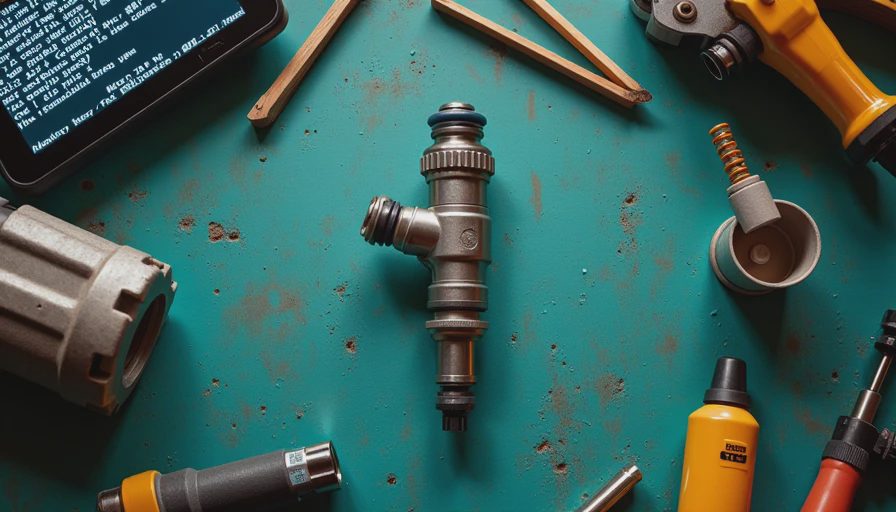
One of the most common signs of a bad fuel injector is an engine misfire that you can feel at idle or under load. A clogged or leaking injector delivers the wrong amount of fuel to that cylinder, causing the air-fuel ratio to go rich or lean. Lean misfires tend to produce a rhythmic stumble at idle, while rich misfires often come with a strong fuel smell from the tailpipe. On modern OBD-II vehicles, a persistent misfire will set a P030x code, where x corresponds to the affected cylinder. But before you chase spark plugs and coils, check the injector. A quick way to narrow it down is with a noid light — if the electrical pulse is correct but the cylinder still misfires, the injector itself is likely at fault.
Poor Fuel Economy and Power Loss
Another classic sign of a bad fuel injector is a noticeable drop in fuel economy. When an injector sticks open, it dumps excess fuel into the cylinder, causing a rich condition that wastes gas and can wash oil off the cylinder walls. When it sticks closed, the cylinder gets no fuel, and the engine compensates by adding fuel elsewhere, throwing off the overall mixture. Either way, your gas mileage suffers. A single clogged injector can reduce fuel economy by 10 to 20 percent, depending on the severity. Drivers often report a lack of power during acceleration or a hesitation when stepping on the gas. That hesitation is the engine struggling to deliver consistent fuel volume across all cylinders. Here's the chemistry: modern gasoline contains detergent additives meant to keep injectors clean, but not all fuels meet the same additive treat rate. Vehicles that run on low-detergent fuels — especially those driven short trips — are more likely to develop carbon deposits inside the injector nozzle.
Check Engine Light and Diagnostic Trouble Codes
The check engine light is a reliable indicator that something is off, but it alone doesn't confirm the injector. You need to retrieve the codes with a scan tool. Besides misfire codes (P0300–P0306), look for fuel trim codes like P0171 (system too lean) or P0172 (system too rich). High positive long-term fuel trim on one bank can point to a weak or clogged injector on that side. Also watch for a P0200 series code, which directly indicates an injector circuit malfunction. If the electrical side checks out (proper resistance, good connector), the problem is hydraulic — the injector is not delivering as commanded. In my classroom, I emphasize that fuel trim data is your best friend for intermittent injector issues that don't yet set a solid code.

Diagnosing a Bad Fuel Injector
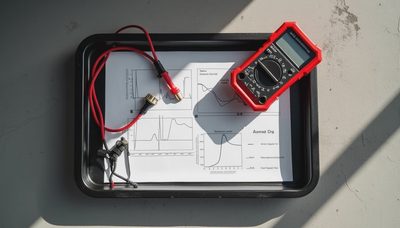
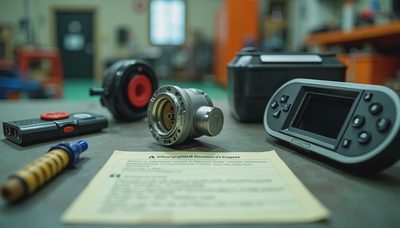
To confirm the signs of a bad fuel injector, you need a systematic approach. Start with a visual inspection of the injector connectors and wiring harness for corrosion or damage. Then perform a resistance check across the injector terminals with a multimeter. Typical resistance for a modern injector is 11–18 ohms; anything outside that range suggests a shorted or open winding. Next, use a fuel pressure gauge to check system pressure at the rail, then do a leak-down test. A healthy injector should hold pressure for several minutes after the pump stops. If pressure drops quickly, one or more injectors are leaking. For a more definitive test, use a cylinder contribution test with a scan tool or a flow-rate test on a bench. Many shops rent or sell injector testers that let you measure spray pattern and volume — a must for diagnosing an injector that is dirty but not completely dead.
Repair or Replace?
Once you have diagnosed a bad injector, you face a decision: clean it or replace it. Professional fuel injector cleaning services use solvent blends that are circulated through the rail at high pressure. This can restore flow in cases where deposits are light but still causing symptoms. However, for injectors that have failed mechanically — stuck open, shorted, or corroded — cleaning will not fix them. Replacement is the only reliable option. A single injector costs anywhere from $50 to $150 for most common vehicles, plus labor. For high-pressure direct-injection systems, prices can exceed $300 per injector. Always replace fuel O-rings and seals when you swap injectors. And never forget to relieve fuel pressure before opening the system — gasoline at 60 psi can cause serious injury.
Conclusion
Knowing the signs of a bad fuel injector helps you get the repair right the first time. Misfire, poor fuel economy, and diagnostic codes all point in the same direction, but only proper testing confirms the part. Whether you decide to clean or replace, always follow the manufacturer's service procedure and use quality fuel system components. If your customer asks, the one-line answer is this: a bad injector throws off the air-fuel balance; the engine tells you through its behavior. Keep this guide in your reference folder, and you will confidently diagnose injector problems every time.

No comments yet — be the first to share a thought.