
If you're a technician or fleet manager, you've probably considered adding a snap on jumper box to your shop's equipment. A portable power pack goes beyond jump-starting dead batteries—it can power diagnostics, charge devices, and serve as a backup power source. In this reference, I'll walk through the key specs you need to evaluate, the safety practices that keep both you and the battery in good shape, and how to decide whether a Snap-on jumper box fits your workflow. Here's the chemistry, the spec, and what to do with it.
What Is a Snap On Jumper Box?
A snap on jumper box is essentially a portable battery pack with built-in jumper cables and a set of auxiliary power ports. Most models use a sealed lead-acid (SLA) battery, though some newer units have shifted to lithium iron phosphate (LiFePO4) chemistries. The rating that matters most is the peak amperage—typically 1000 to 3000 peak amps for professional-grade units—along with the reserve capacity, measured in amp-hours (Ah). A 50Ah SLA unit can deliver about 600 cranking amps and will start most inline-four and V6 engines without trouble.
Reference Box: The number that decides whether it'll start a diesel or a heavy-duty truck is the peak amp rating at 0°F. That cold-cranking spec is often buried in the fine print. Look for it.
How to Choose the Right Snap On Jumper Box for Your Shop
Selecting the right snap on jumper box comes down to matching the unit's output to the vehicles you service most often. For a general auto shop handling cars and light trucks, a model with 1500 peak amps and a 40–50Ah SLA battery covers nearly all gasoline engines up to 8 cylinders. Fleet shops with medium-duty diesels should look for 2500–3000 peak amps and a unit that supports bidirectional charging (jump-starting a semi requires serious reserve).
Pay attention to the cable gauge as well. 2 AWG cables carry current with less voltage drop than thinner 4 AWG cables. A poorly designed jumper box may have strong peak amps but thin cables that overheat under load. Also check for reverse polarity protection—a must-have for preventing shorts and damage to the vehicle's electronics.
Safety and Disposal of Jumper Box Batteries
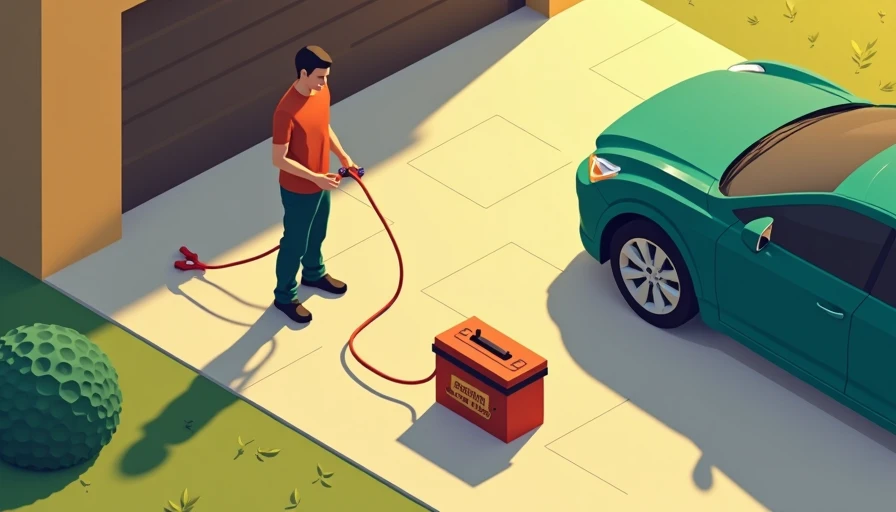
A snap on jumper box contains a high-capacity battery that requires proper handling. For SLA units, ventilation is critical during charging because lead-acid batteries can release hydrogen gas if overcharged. Always charge in a well-ventilated area and use the charger that came with the unit—aftermarket chargers may not have the correct voltage profile for sealed batteries.
Lithium-based jumper boxes don't outgas but have their own risks: thermal runaway if punctured or charged with the wrong charger. Store them in a cool, dry place away from direct sunlight and never leave them in a closed vehicle on a hot day. When the battery reaches end of life, SLA units must be recycled at a facility that accepts automotive batteries. Lithium packs require special e-waste handling—your local auto parts store may take them back.
Reference Box: Key Specs to Check Before Buying
- **Peak amps**: 1000–3000 for professional use
- **Battery chemistry**: SLA (heavier, cheaper) vs. LiFePO4 (lighter, longer life, cost more)
- **Cable gauge**: 2 AWG is best; avoid 4 AWG for any unit above 1500 peak amps
- **Reverse polarity protection**: Non-negotiable
- **Jump-start cycle rating**: How many consecutive starts before the battery needs a recharge
A good snap on jumper box will list these specs in the datasheet. If the manufacturer doesn't provide them, that's a red flag.
Practical Maintenance for Long Life
To get the most out of your snap on jumper box, follow a simple maintenance schedule: charge the unit every three months even if you haven't used it. Lead-acid batteries self-discharge at about 5% per month; lithium units hold charge longer but still need a top-up every four months. Check the terminals for corrosion—a light application of dielectric grease on the battery posts prevents oxidation. If the unit has a built-in air compressor or inverter, note that those draw heavily and will reduce the number of jump starts you get per charge.

Common Mistakes and How to Avoid Them
One frequent error is leaving the jumper box connected to a vehicle after it starts. Modern vehicles have voltage regulators that can spike and damage the internal charger of the jumper box. Disconnect within 30 seconds of the engine running. Another mistake is storing the unit fully flat—deeply discharging an SLA battery more than a few times permanently reduces its capacity. Recharge immediately after each use. Lastly, don't use a jumper box as a regular power source for tools; it's designed for short high-current bursts, not sustained draw.
Wrapping Up
A snap on jumper box is a valuable addition to any shop if you pick the right specs and maintain it properly. Focus on peak amps, cable gauge, and battery chemistry for your typical workload. Follow the safety guidelines—ventilation for SLA, temperature care for lithium—and recycle responsibly at end of life. If your customer asks, the one-line answer is: match the peak amps to the engine size, use 2 AWG cables, and charge it quarterly.



No comments yet — be the first to share a thought.