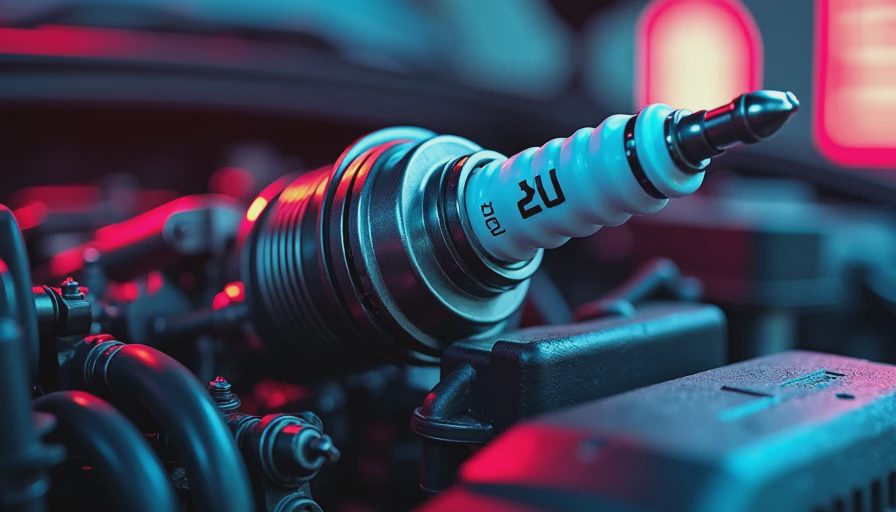
When you pop the hood of your car, the array of components can look intimidating. But understanding the basics of underhood car maintenance can save you time, money, and a roadside breakdown. Whether you're a seasoned DIYer or a new driver, knowing what to look for under the hood is a valuable skill.
The term "underhood car" refers to everything inside the engine bay—the heart of your vehicle. Regular inspection of these components ensures your engine runs efficiently and lasts longer. Let's walk through the critical items you should check.
Essential Fluids to Check
Fluids are the lifeblood of your underhood car. Low or dirty fluids can cause serious damage. Here's what to monitor:
- **Engine Oil:** Check the dipstick monthly. Oil should be between the marks and not gritty. Reference Box: API SP or ILSAC GF-6 are the latest standards for gasoline engines.
- **Coolant:** Look at the reservoir tank. Coolant should be at the fill line and not oily. Use a 50/50 mix of antifreeze and distilled water.
- **Brake Fluid:** Clear to amber is normal. Dark or low fluid may indicate a leak or worn pads. DOT 3 or DOT 4 are typical.
- **Power Steering Fluid:** Many cars use ATF; check owner's manual. Low fluid can cause whining noises.
- **Windshield Washer Fluid:** Top off with a winter-rated formula if you live in cold climates.
Pro tip: Always check fluids when the engine is cold and on level ground.
Belts and Hoses Inspection
Without belts and hoses, your underhood car can't generate power or cool itself. Inspect them every oil change:
- **Serpentine Belt:** Look for cracks, glazing, or fraying. A worn belt can slip and cause battery drain or overheating. Replace every 60,000-100,000 miles.
- **Timing Belt:** If your engine has one (check the manual), replace per schedule—usually 60,000-100,000 miles. Failure can destroy the engine.
- **Hoses:** Squeeze them when cool—they should feel firm but not rock hard. Bulges, cracks, or soft spots mean replacement. Reference Box: Use SAE J20 rated hoses for coolant.
Battery Health
The battery is the electrical heart of your underhood car. Corrosion on terminals can prevent starting. Clean with a baking soda and water solution. Check the voltage with a multimeter: 12.6V or higher when off. Most batteries last 3-5 years. If yours is older, have it load-tested at a parts store.
Air Filter and Intake
A clogged air filter reduces fuel economy and performance. Locate the air box under the hood—usually a black plastic box with metal clips. Pull the filter and hold it up to light: if you can't see through it, replace. Paper filters cost $10-20 and take 5 minutes to swap.
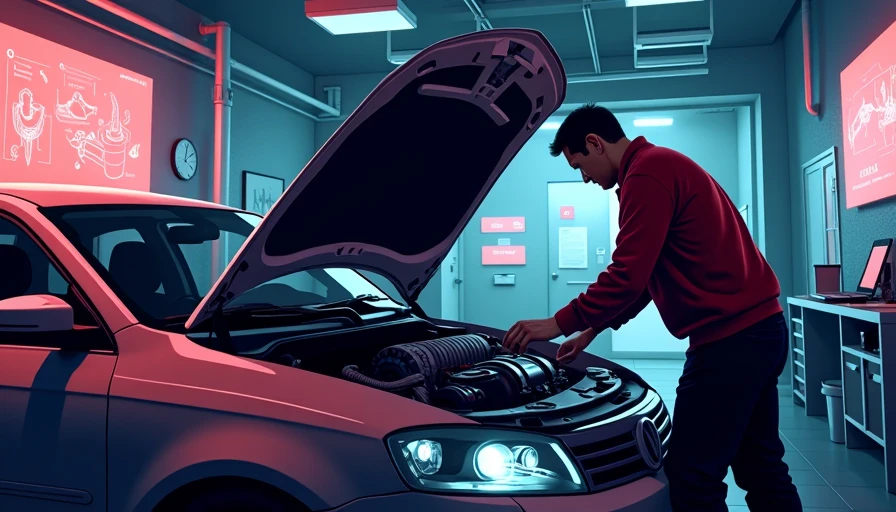
Common Underhood Car Problems and Signs
Even with routine checks, issues arise. Watch for these symptoms:
- **Fluid Puddles:** Red (ATF), green/orange (coolant), brown (oil) under the car indicate leaks.
- **Squealing Noises:** Often a loose or worn belt. Tighten or replace.
- **Check Engine Light:** Could be a loose gas cap, but also an O2 sensor or catalytic converter issue. Use a code reader.
- **Steam from Hood:** Coolant leak or overheating. Pull over safely.
Seasonal Underhood Car Checklist
Your underhood car faces different stresses in summer and winter. Adjust your maintenance routine accordingly:
**Summer:** Heat stresses coolant and oil. Check coolant concentration with a refractometer—it should protect to at least -34°F (50/50 mix). Inspect radiator fins for debris. Ensure the cooling fan comes on when the AC is running. Consider using a higher-viscosity oil if your manual allows (e.g., 10W-40 instead of 5W-30 in hot climates).
**Winter:** Cold thickens fluids and drains batteries. Test battery cold cranking amps (CCA); replace if below 70% of rated CCA. Use winter-grade windshield washer fluid that won't freeze. Check antifreeze freeze point with a tester—it should be good to -20°F or lower. Inspect belts for stiffness and cracks caused by cold.
Pro tip: Keep a basic underhood emergency kit with a quart of oil, a gallon of coolant, and a multi-tool. It fits in the trunk and can save you on the road.
Safety First
Working on your underhood car carries risks. Never touch hot engine parts. Use jack stands if you need to get under the car. Keep hands clear of moving fans—they can start even when the engine is off. If you're unsure, consult a professional.
Final Thoughts
Understanding your underhood car isn't just for mechanics. With basic knowledge and regular checks, you can catch problems early and avoid costly repairs. Start with a monthly underhood inspection—it takes 10 minutes and could save you hundreds. Here's the chemistry, here's the spec, here's what to do with it.
*The specific names, brands, and part numbers mentioned are for informational purposes. Always refer to your owner's manual for exact specifications.*




No comments yet — be the first to share a thought.