If a driver asks what happens if i mix coolant types, the short answer is that the engine does not usually fail on the spot, but the cooling system can lose some of its corrosion protection and service life. That is the part people miss. Coolant is not just antifreeze and water; it is a chemical package built to protect aluminum, solder, rubber, and cast iron over time. After this post, you should be able to look at the label, separate color from chemistry, and decide whether you are dealing with a small top-off, a temporary compromise, or a flush-right-away situation. Here's the chemistry, here's the spec, here's what to do with it.
Reference Box: what the spec sheet is really telling you
On the spec sheet, the number that decides it is not the color in the bottle. ASTM D3306 covers passenger-car engine coolant, and ASTM D6210 is the common heavy-duty reference. Those standards are about freeze protection, boilover control, corrosion inhibition, and compatibility in service.
The base fluid is usually ethylene glycol or propylene glycol mixed with water, but the inhibitor package is where the chemistry lives. An IAT coolant uses a more traditional additive system, while OAT and HOAT formulas rely on different organic acids and hybrid packages. That is why two bottles can both be long life and still not be the same product family. If you cross the streams, the engine may not complain today, but the additives can spend themselves faster than intended.
what happens if i mix coolant types during a top-off
If the bottles are truly compatible and meet the same OEM or ASTM target, a small emergency top-off usually costs you reserve life more than it causes an immediate reaction. That is the simple case. The messy case is when one coolant uses a silicate-heavy or phosphate-heavy package and the other does not. Then you can get clouding, gel, or a fine precipitate that settles in the radiator, the surge tank, or the heater core.
I have seen drivers ignore the first sign because the gauge stayed normal. Then winter came, the cabin heat was weak, and the system needed a full drain-and-fill to get back to a clean baseline. Aluminum parts are less forgiving than the old cast-iron blocks people remember. A marginal mix can still circulate, but it can shorten water pump seal life, raise deposit risk, and make the system harder to bleed. That is why the label matters more than the color.
When the mix is probably low risk, and when it is not
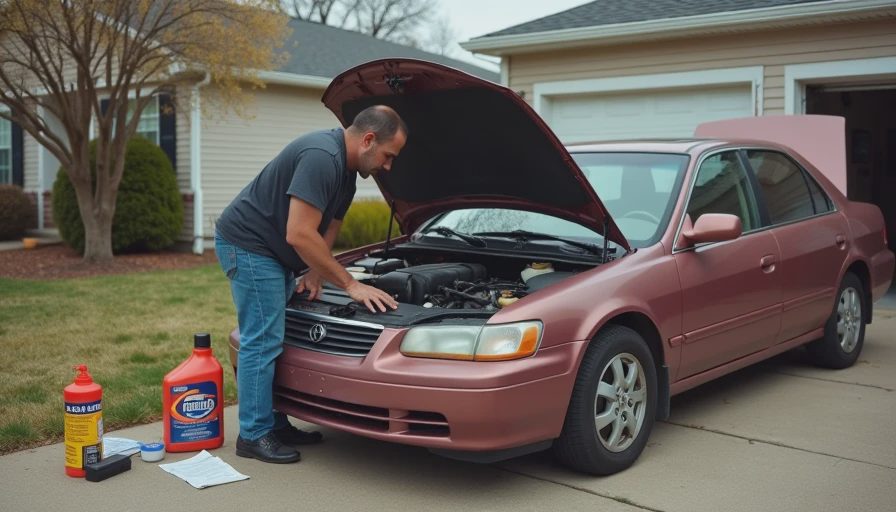
A driver asking what happens if i mix coolant types should first check whether both coolants share the same specification, not just the same dye. If they do, and the top-off was small, I usually treat it as a maintenance issue rather than a panic event. A few ounces in a system that holds two gallons is not the same thing as draining one formula into another by the quart.
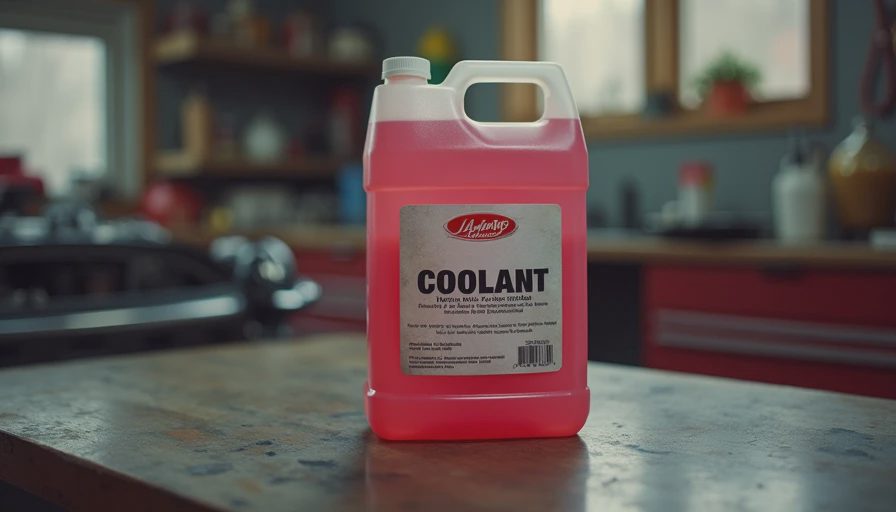
The low-risk scenario is a same-spec top-off from a different brand, such as one bottle of a Dex-Cool-type OAT product mixed with another Dex-Cool-type product that clearly states the same compatibility on the label. The higher-risk scenario is mixing older green IAT with an OAT or HOAT product, or mixing a passenger-car formula with a heavy-duty coolant that depends on a different inhibitor balance. If the bottle says for Asian vehicles, for European vehicles, or heavy-duty diesel, read the fine print before you pour. Those labels exist for a reason.
A good rule is to think in terms of chemistry, not convenience. One bottle may protect aluminum with a carboxylate system and another may depend on different phosphates or silicates. The fluid can still look clean while the protective reserve is already getting thinner. That is why service history matters. If the last coolant change was done by an unknown shop, the safest move is to identify the spec before adding anything else.
What to do if it already happened
If the mix was small and the vehicle is running at normal temperature with clean-looking coolant, do not make a bigger job out of a minor one. Record what went in, check the level again when the engine is cold, and watch for discoloration, film, or soft deposits in the reservoir. If you have a refractometer or test strips, use them to confirm freeze protection and basic condition, but do not let a good freeze point fool you into thinking the inhibitor package is still healthy.
If the coolant looks muddy, has floating particles, or turned into a brown or orange gel, stop treating it like a top-off problem. That is a drain, flush, and refill situation. In a shop, a coolant service on a passenger car often lands around $150 to $300, with trucks and larger systems running higher because of capacity and labor. If you are flushing at home, use the exact coolant spec the manufacturer calls for, and use distilled water for dilution unless the product is premixed.
Do not open a hot radiator cap to investigate. Let the system cool fully, wear gloves and eye protection, and keep spills away from pets. Ethylene glycol is especially dangerous if an animal drinks it, and even a small spill can be a cleanup problem in a driveway or garage.
How to buy the right refill next time
The easiest way to avoid the wrong blend is to read the vehicle owner's manual or the under-hood label before you buy. Concentrate is cheaper per gallon of finished coolant, but premix is safer for people who do not want to guess at water quality or mix ratios. For most passenger vehicles, a 50/50 blend is the normal starting point, but always follow the vehicle spec if it calls for something different.
Prestone, Peak, Zerex, and the store brands all sell multiple formulas, so the brand name alone does not tell you enough. Look for the exact coolant family and any OEM approval or service spec on the label. If you service a mixed fleet, it pays to stock fewer products and match them carefully to the applications instead of keeping a shelf full of almost-right bottles.
FAQ for the shop counter
If someone asks what happens if i mix coolant types and the gauge still looks normal, the honest answer is that the damage is usually delayed, not dramatic. Corrosion starts where coolant moves slowly: inside the heater core, around gasket surfaces, and at aluminum passages that see heat soak after shutdown. That is why a car can seem fine for weeks and still end up with a plugged core or a flaky reservoir later.
The one-line answer for the counter is this: if the spec matches, a small top-off is usually manageable; if the spec does not match, plan on a proper service instead of hoping for the best. Coolant is also toxic to pets and should be collected, labeled, and taken to a recycling or hazardous-waste drop-off that accepts automotive fluids. If you are unsure, bring the bottle, the old service receipt, or the VIN and match the chemistry before the next pour.

No comments yet — be the first to share a thought.