Using the right grease or lubricant can prevent premature wear and a costly mechanical failure
Why This Matters (cost/safety/longevity payoff)
Friction is the silent killer of moving parts. When two metal surfaces slide or roll against each other without the right lubricant, heat and wear ramp up fast—then you’re chasing squeaks, binding, stuck fasteners, or outright component failure.
The real money saver is choosing the correct lubricant for the job. A hinge that just needs light lubricant oil can get worse if you pack it with grease (it’ll collect grime and turn into abrasive paste). A rusted bolt that needs a penetrating lubricant can snap off if you try to muscle it loose dry. And a fast-moving bearing can fail early if you use a lubricant that can’t stay in place long enough.
Bottom line: match the lubricant to the application, and you’ll reduce friction, prevent corrosion-related headaches, and extend the service life of parts.
What You Need to Know (specs, types, intervals)
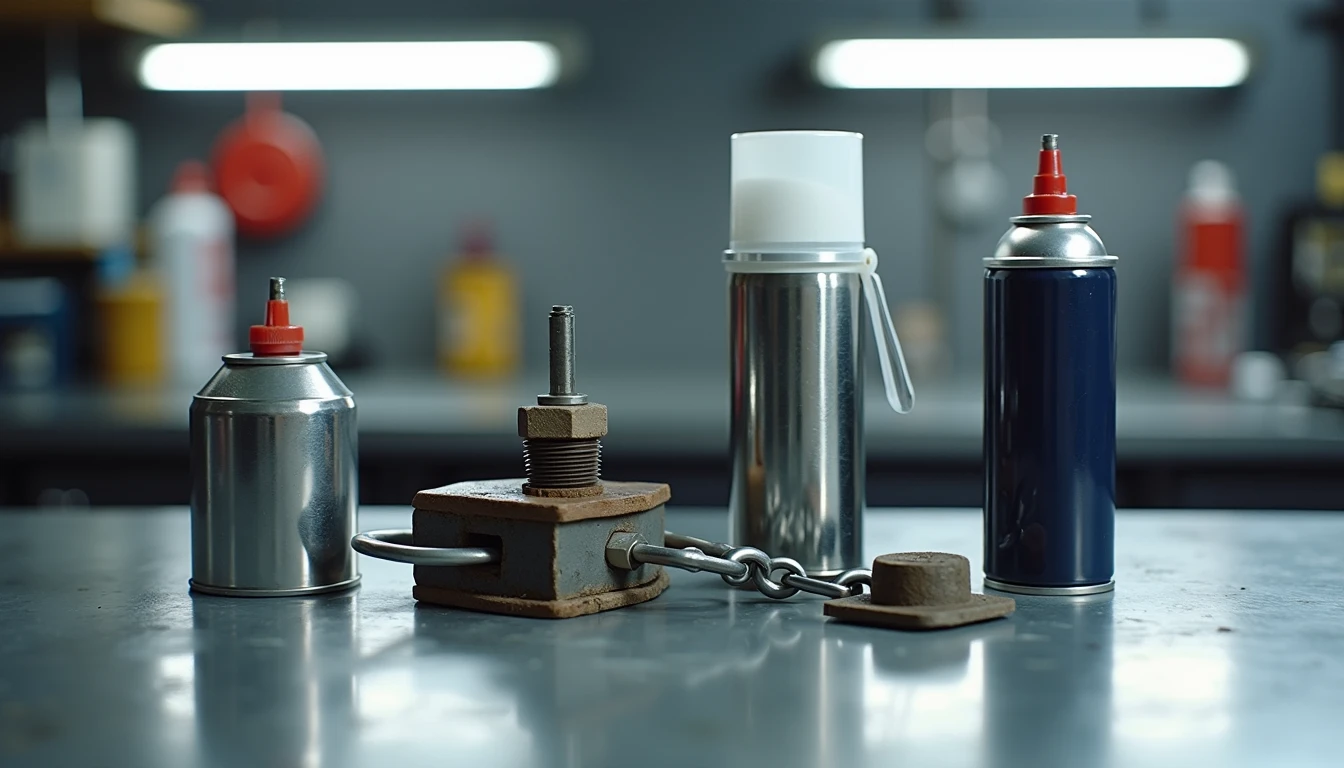
The source breaks lubricants into four common types based on physical form and use: oil, grease, penetrating lubricant, and dry lubricant. Each has a different “best use” and “do not use” list.
1) Lubricant oil
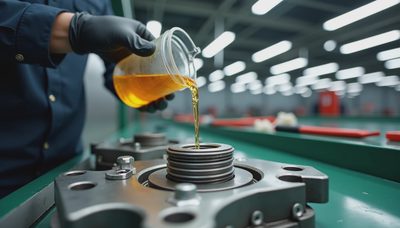
Oil is the go-to for lighter-duty lubrication where you want the product to flow into tight areas.
Use oil for:
- Hinges
- Bearings
- Sharpening blades and tool maintenance
Do not do this:
- Don’t use oil on parts that are very dirty or rusty. The source recommends cleaning the surface or removing the rust before oiling.
Explain it like a mechanic: oil is great when you want it to creep and coat, but it won’t fix rust by itself—and if you dump oil onto grit, you’re basically making grinding compound.
Pro Tip: If a part is visibly gritty, wipe it down first. Lubricant works best on clean metal surfaces; otherwise you’re trapping abrasives right where parts move.
2) Grease
Grease is a mixture of oil and thickening agents. That thickener gives it higher viscosity (how thick the lubricant is at a given temperature) and helps it adhere to surfaces longer than oil.
Use grease for:
- Chains
- Linkages
- Gears
- Bearings
Because grease “sticks,” it’s useful where you need lubrication to stay put for longer durations.
Do not do this:
- Don’t use grease on fast-moving machine parts (per the source). High-speed applications can fling grease away or cause it to churn and overheat depending on the design.
Pro Tip: Grease is about staying power. If you’re lubricating something exposed (like a chain or linkage) and you want it to keep a protective film, grease is usually the better choice than oil—assuming it’s not a fast-moving part.
3) Penetrating lubricant
A penetrating lubricant is designed to infiltrate tiny cracks. Its job is to add temporary lubrication and break up rust so you can disassemble or move something that’s seized.
Use penetrating lubricant for:
- Loosening stuck bolts or nuts
- Removing adhesive stickers or chewing gums
Limitations (important):
- It’s not long-lasting lubrication.
- You can’t use penetrating lubricant on high-speed wheel bearings because it doesn’t last long.
Explain it like a mechanic: think of penetrating lube as a “get it apart” tool, not a “keep it running for months” lubricant.
Pro Tip: When you’re dealing with a stuck fastener, give the penetrating lubricant time to work. The whole point is creeping into tiny gaps; rushing it defeats the design.
4) Dry lubricant
Dry lubricant is for situations where you don’t want oil or grease because they attract dirt and dust. The source notes it comprises tiny graphite particles that make it super slippery.
Use dry lubricant for:
- Threaded rods
- Hinges
- Locks
- Tiny parts that grease can gunk up during usage
- Points under extreme pressure
Why it’s different: dry lubricant leaves a slick film without the wet, dust-collecting mess of oil or grease.
Pro Tip: If you’re lubricating a lock or a small mechanism that hates sticky buildup, dry lubricant is often the cleaner solution specifically because it doesn’t act like a dust magnet.
How It Works (step-by-step or explanation)
Here’s a practical selection process you can follow in the garage—based strictly on the source’s use-cases and warnings.
Step 1: Identify the part and what it’s doing
Ask:
- Is it a hinge, bearing, chain, linkage, gear, threaded rod, or lock?
- Is the part rusty, dirty, or seized?
- Is it a fast-moving component?
Step 2: Choose the lubricant type that matches the job
Use this quick picker:
- Hinges / bearings (clean condition): use oil.
- Chains / linkages / gears / bearings where you want it to stick longer: use grease (but not on fast-moving parts).
- Stuck bolts or nuts / rust breakup: use a penetrating lubricant (temporary, not a lasting lubricant).
- Threaded rods / locks / tiny parts / dusty environments / extreme pressure points: use dry lubricant (graphite-based per the source).
Step 3: Prep the surface when needed
If the part “looks so dirty or rusty,” the source is clear:
- Clean the surface or remove the rust before oiling it.
That’s not busywork—lubrication works best when the lubricant can form a consistent film on metal, not on debris.
Step 4: Apply with the right expectation
- Oil and grease are your main day-to-day lubricants, but they can attract grime depending on the environment.
- Penetrating lubricant is a short-term helper to free things up.
- Dry lubricant is your “don’t attract dust” option and is also useful for tiny mechanisms that gum up with grease.
Common Mistakes (myths, pitfalls, warnings)
Mistake 1: Oiling dirty or rusty parts and calling it “fixed”
The source directly warns against using oil lubricants on parts that look dirty or rusty. Oil over grime doesn’t lubricate well—it just holds abrasive junk in place.
Mistake 2: Using grease everywhere because it “lasts longer”
Yes, grease adheres better and has high viscosity, but the source says: don’t use grease on fast-moving machine parts. More “stick” is not automatically better.
Mistake 3: Treating penetrating lubricant as a permanent lubricant
Penetrating lubricant is not long-lasting lubrication. It’s for infiltrating cracks and breaking up rust—great for stuck bolts or nuts, not for ongoing service lubrication.
Mistake 4: Spraying penetrating lubricant into high-speed wheel bearings
The source is explicit: you can’t use penetrating lubricant on high-speed wheel bearings because it doesn’t last long. That’s a recipe for inadequate lubrication.
Mistake 5: Using oil or grease where dust and dirt are guaranteed
Dry lubricant exists for a reason. If the environment is dusty or you’re lubricating something like a lock, oil/grease can attract contamination; the source points out dry lubricant avoids that problem.
Bottom Line (summary, recommended action)
Pick lubricants by function, not habit. Use oil for hinges and bearings (on clean surfaces), grease for chains/linkages/gears/bearings where you need it to stick longer (but not on fast-moving parts), penetrating lubricant for stuck hardware and rust breakup (not long-term, not for high-speed wheel bearings), and dry graphite lubricant when you want slick operation without attracting dirt—especially on threaded rods, locks, and tiny mechanisms.