After reading this guide, you will be able to look up whether high mileage oil 5W-30 fits an older engine, explain what the viscosity grade means, identify the important API and OEM specifications, and set realistic expectations about leaks and oil consumption. I have spent years explaining lubricant chemistry to technicians and parts-counter staff, and this is one of the most common questions: is the high-mileage label actually useful, or is it just a marketing phrase?
The short answer is that high-mileage oil is a conventional, synthetic-blend, or full-synthetic engine oil formulated with an additive package aimed at aging engines. The 5W-30 portion describes viscosity, not mileage. The oil still has to meet the vehicle manufacturer's required grade and performance category.
What the 5W-30 designation means
The SAE J300 viscosity standard separates the cold-temperature and operating-temperature behavior of the oil. The “5W” describes how the oil performs during cold cranking and pumping tests. A lower winter number generally means easier flow during startup in cold weather. The “30” describes the oil's viscosity range at high operating temperature. It is not a thickness measurement that changes with the odometer reading.
That makes high mileage oil 5W-30 a reasonable choice for many cars originally specified for SAE 5W-30. It can help maintain faster oil circulation after an overnight winter start without moving to an unapproved heavier grade. A 10W-40 or 20W-50 product is not automatically better for a worn engine; it can reduce cold-start flow and may conflict with the owner's manual.
Reference Box
SAE J300 answers the viscosity question. The correct 5W-30 grade tells you how the oil flows across temperature ranges; the high-mileage designation describes formulation features intended for engines with age-related wear.
Always verify the owner's manual, oil-filler cap, or service information before buying. Some newer engines require a particular specification in addition to viscosity, such as an OEM approval or an ILSAC category.

What makes high-mileage oil different
High-mileage oil typically uses a balanced package of detergents, dispersants, antioxidants, antiwear additives, and seal-conditioning chemistry. Seal conditioners can help older elastomer seals remain more flexible. Over time, heat, oxidation, and oil exposure can harden seals around the crankshaft, camshaft, valve cover, or oil pan. A conditioner may reduce seepage when the seal is aged but still structurally sound.
That does not mean high mileage oil repairs a torn gasket, cracked housing, damaged oil pan, or badly worn bearing. If oil is dripping onto the driveway, reaching the exhaust, or falling rapidly on the dipstick, the vehicle needs diagnosis. An additive package cannot replace a valve-cover gasket or fix a failed rear main seal.
Some high-mileage formulas also use a slightly stronger detergent system or a carefully controlled viscosity profile to manage deposits and consumption. Formulas vary by brand, so read the API service category and product data rather than assuming every bottle is identical.
How to check specifications before purchase
Start with the owner's manual. Look for three items: viscosity, performance category, and any manufacturer approval. For many gasoline vehicles, an API-certified oil with the current category listed for that engine is the basic requirement. ILSAC GF-6A oils are commonly associated with SAE 0W-20, 5W-20, and 5W-30 applications that require that category, but the vehicle documentation controls.
Look for the API Donut on the container. The top portion identifies the service category, the center shows viscosity, and the lower portion can identify resource-conserving performance when applicable. A product label may also list dexos, Ford, Chrysler, Mercedes-Benz, or another specification. Do not treat a general statement such as “meets requirements” as identical to a formal approval when the manual calls for an approval.
On the spec sheet, the number that decides it is the required performance level, not the marketing phrase “high mileage.” If high mileage oil 5W-30 has the correct API category and required OEM approval, it can be a sound selection. If it lacks a required specification, choose a compliant product instead.
When it can help with consumption and leaks
Aging engines often show several symptoms at once: a small wet area around a valve cover, a quart added between changes, blue smoke after extended idling, or oil residue near the PCV system. High mileage oil 5W-30 may help with minor seepage and can sometimes reduce consumption caused by hardened seals or deposit-related ring movement. Results are strongest when wear is moderate rather than severe.
Use the dipstick to measure the result. Check the vehicle on level ground with the engine off for the interval specified by the manufacturer. Record the mileage and add only the amount needed to reach the safe range. If the level drops from full to the add mark in 800 miles, that is useful information; if it takes 3,000 miles, the trend is different. Avoid filling above the full mark, because overfilling can create its own problems.
Do not pour in stop-leak additives simply because a bottle promises a quick fix. Extra chemistry can alter viscosity, swell seals too aggressively, or mask a mechanical problem. Find the leak, inspect the PCV system, and confirm whether the engine is burning oil internally.
Choosing synthetic, blend, or conventional oil
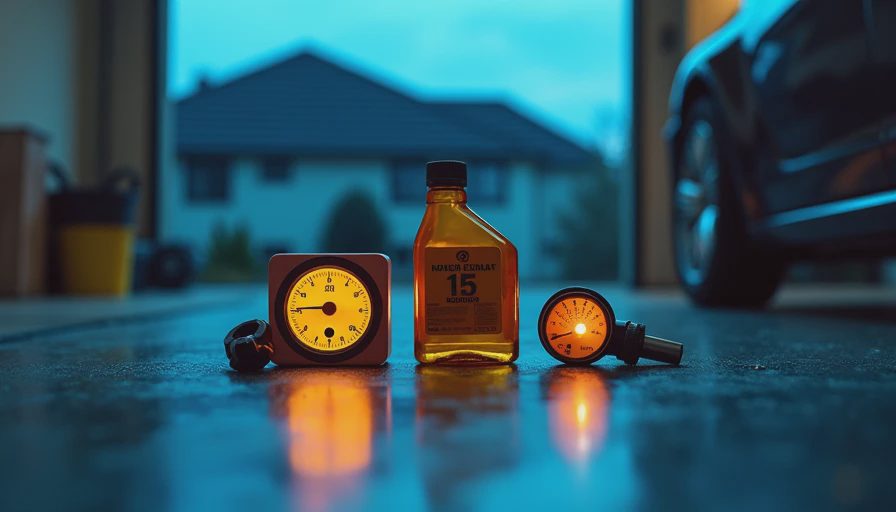
Full-synthetic high mileage oil 5W-30 generally offers strong oxidation resistance and dependable low-temperature performance. It is useful for turbocharged engines, severe heat, frequent short trips, and longer service demands when the manufacturer permits the interval. A synthetic blend can provide a practical middle ground for an older daily driver, often at a lower purchase price than full synthetic.
Conventional oil can still be appropriate for an older engine when it meets the required specification and the service interval is conservative. The word synthetic does not automatically make an oil compatible with every engine, and conventional does not automatically mean poor protection. Base oil quality matters, but the complete formulation and required approvals matter more.
Brand selection should follow the specification, availability, and service plan. Products from Valvoline, Mobil, Pennzoil, Castrol, Quaker State, and store brands can differ in formulation, but the container's certification and approval information are the useful comparison points. A $25 to $45 oil-and-filter service is often inexpensive insurance compared with ignoring a low-oil warning or a developing leak.
A practical service procedure
Before draining, warm the engine enough to suspend contaminants, but avoid touching hot oil or exhaust components without proper protection. Park on a stable, level surface, set the parking brake, and support a raised vehicle with approved jack stands rather than a jack alone. Replace the filter, inspect the drain-plug gasket, and tighten the plug and filter according to the service information.
Pour in the specified amount, wait several minutes, and verify the dipstick. Start the engine briefly, shut it down, and check for leaks. Recheck the level after the vehicle sits. Reset the maintenance monitor only after recording the date, mileage, product viscosity, and filter part number. Those notes help a fleet lead or DIY owner identify oil consumption patterns.
Never pour used oil onto soil, into a storm drain, or into household trash. Drain it into a clean, sealed container and take it to an automotive recycling center, parts store, service shop, or local household hazardous-waste program that accepts used motor oil. Keep the container labeled and away from children, flames, and coolant contamination.
The one-line answer for the parts counter
If a customer asks whether high mileage oil 5W-30 is suitable, the one-line answer is: it is appropriate when the vehicle calls for SAE 5W-30 and the oil carries the required API or manufacturer specification, with seal-conditioning additives that may help minor age-related seepage but cannot repair mechanical damage.
Here's the chemistry, here's the spec, here's what to do with it. Match the bottle to the engine documentation, monitor the dipstick, investigate meaningful oil loss, and dispose of the used oil responsibly.


No comments yet — be the first to share a thought.