Master Lubrication Basics to Prevent Wear and Extend Your Equipment Lifespan Today
In the intricate world of machinery and mechanical systems, there exists a fundamental principle that keeps the gears turning. Often overlooked but undeniably crucial, lubrication serves as the lifeblood of machinery. Understanding this can unlock a world of possibilities in optimizing machinery performance and longevity. Whether you are a seasoned engineer or a novice enthusiast, grasping the basics ensures smooth operation, reduces friction, and extends the lifespan of vital components.
Why This Matters
Proper lubrication is not just about making things slippery; it is about survival of your equipment. Lubrication serves multiple critical functions within machinery and mechanical systems that directly impact your wallet and safety.
First, it provides wear protection. By forming a protective film between surfaces, lubrication helps to prevent direct metal-to-metal contact. Without this film, you face accelerated wear and premature failure of components. Second, it offers corrosion prevention. Lubricants act as a barrier against moisture and contaminants, helping to inhibit corrosion and prolonging the lifespan of machinery. Finally, it aids in heat dissipation. In high-speed or heavy-duty applications, lubricants carry away excess heat generated during operation, thus preventing overheating and thermal damage.
What You Need to Know
Selecting the right lubricant is not a guessing game. Several factors must be considered when selecting the appropriate lubricant for a particular application.
Operating Conditions: Factors such as temperature, pressure, speed, and load dictate the type of lubricant required to ensure optimal performance and longevity. For example, high temperatures may require a fluid with higher viscosity (how thick the oil is at a given temperature) to maintain that protective film.
Compatibility: Lubricants must be compatible with the materials used in the machinery, as well as with other lubricants and sealing materials present in the system. Mixing incompatible fluids can cause seals to swell or shrink, leading to leaks.
Internal Components: Individual applications require specific product formulations such as extreme pressure (EP) additives to help protect against component wear. EP additives are chemical compounds that activate under high load to prevent welding of metal surfaces.
Environmental Considerations: Environmental factors, including exposure to water, chemicals, and contaminants, must be taken into account when choosing a lubricant to prevent degradation and maintain performance.
How It Works
To reap the full benefits of lubrication and ensure the reliability and efficiency of machinery, proper lubrication maintenance practices are essential. You cannot simply pour fluid and forget it.
Establish a Lubrication Schedule: Develop a regular lubrication schedule based on equipment manufacturer recommendations, operating conditions, and performance requirements. Consistency is key to preventing unexpected downtime.
Monitor Lubricant Condition: Regularly monitor the condition of lubricants through visual inspections, oil analysis, and condition monitoring techniques to detect signs of contamination, degradation, or wear. Catching dark or gritty oil early can save a machine from catastrophic failure.
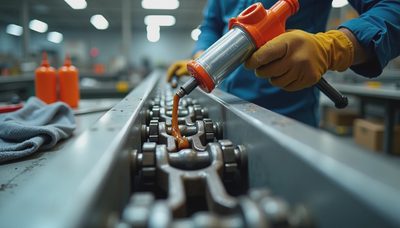
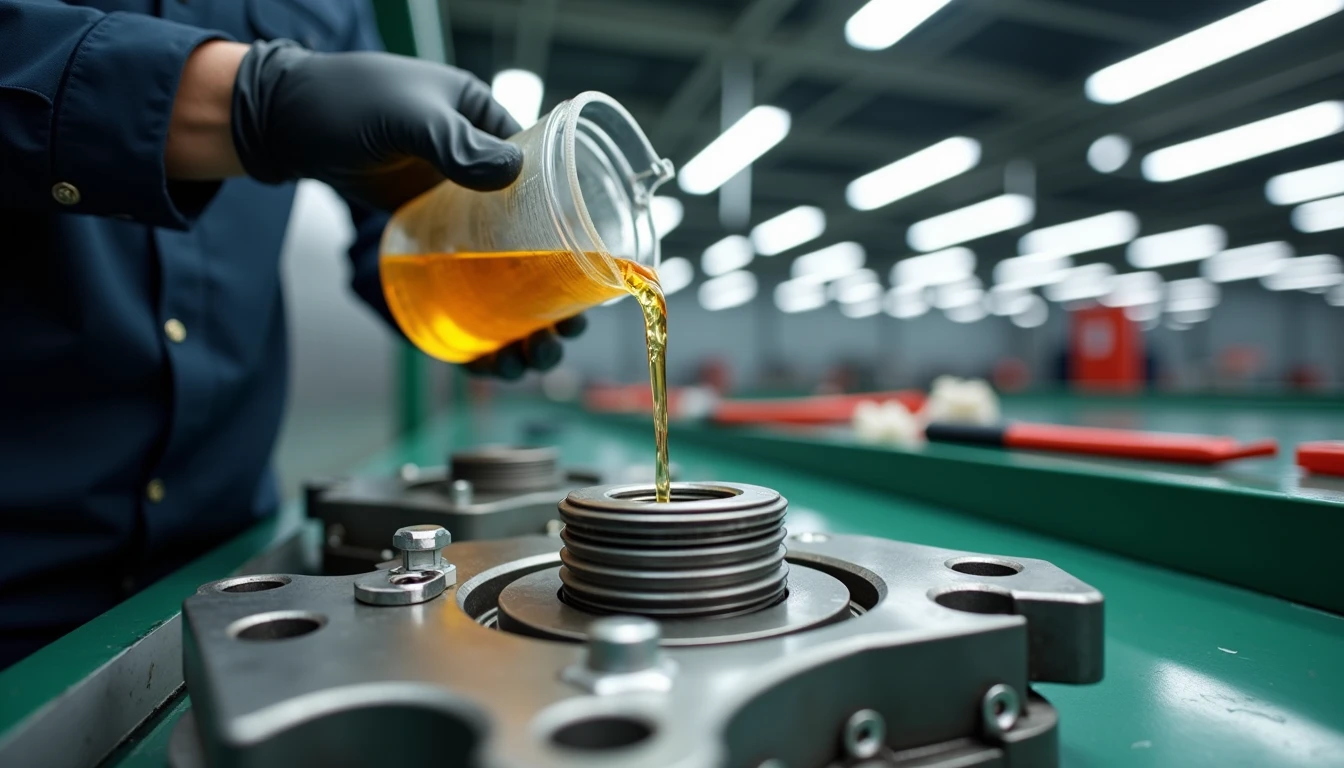
Proper Application Techniques: Follow proper lubrication procedures and techniques, including ensuring clean and dry surfaces, using the correct amount of lubricant, and applying it evenly across all contact points.
Training and Education: Provide training and education to maintenance personnel on proper lubrication practices, including handling, storage, and application techniques. MDI offers onsite and virtual trainings to help better educate customers about the importance lubrication plays to their organization.
Common Mistakes
Even experienced operators fall into traps when managing lubrication. Here are the pitfalls you must avoid.
Ignoring Compatibility: Despite what forums say, you cannot mix just any lubricants. Lubricants must be compatible with the materials used in the machinery. Incompatible mixes can degrade performance instantly.
Neglecting Environmental Factors: Failing to account for exposure to water, chemicals, and contaminants leads to premature degradation. If your machinery operates in wet conditions, standard lubricants may wash away or emulsify.
Improper Application: Using the incorrect amount of lubricant is a frequent error. Too little causes wear; too much can cause churning and heat buildup. Always apply it evenly across all contact points.
Skipping Monitoring: Relying solely on a schedule without visual inspections or oil analysis is risky. You must detect signs of contamination or degradation before they become mechanical failures.
Bottom Line
Understanding the fundamentals of lubrication is essential for anyone involved in machinery maintenance or operation. It ensures smooth operation, reduces friction, and extends the lifespan of vital components. By developing a regular lubrication schedule based on equipment manufacturer recommendations and monitoring lubricant condition through visual inspections and oil analysis, you protect your investment. Follow proper lubrication procedures and ensure clean and dry surfaces during application. Whether you are a seasoned engineer or a novice enthusiast, grasping the basics of lubrication can unlock a world of possibilities in optimizing machinery performance and longevity.