Recycle your used motor oil right and you can protect 1 million gallons of water from one DIY oil change
Why This Matters (cost/safety/longevity payoff)
Doing your own oil changes saves money, but mishandling the drain pan afterward can create a much bigger problem than a mess on the garage floor. According to the EPA, used oil from one oil change can contaminate one million gallons of fresh water — about a year’s supply for 50 people. That’s not a scare tactic; it’s a real-world reminder that what you do with that black oil matters.
Used motor oil isn’t just “dirty oil.” The EPA points out it is insoluble (it won’t dissolve in water), persistent (it sticks around), and can contain toxic chemicals and heavy metals. It also degrades slowly and sticks to things like beach sand and bird feathers. Translation: once it gets into soil or storm drains, it doesn’t just go away—and it can end up in drinking water sources.
The practical payoff: manage used oil correctly and you protect your local water supply, keep your workspace safer, and make sure a valuable resource gets reused instead of wasted.
What You Need to Know (specs, types, intervals)
This guide is about handling, reusing, and recycling used oil at home, based on EPA consumer guidance.
What counts as “used oil”
The EPA defines used oil as any petroleum-based or synthetic oil that has been used. During normal operation, impurities can mix into the oil, including:
- Dirt
- Metal scrapings
- Water
- Chemicals
As those contaminants build up, the oil no longer performs well and eventually needs to be replaced with virgin or re-refined oil.
Types of oils that apply
The EPA specifically calls out used oils such as:
- Engine lubrication oil
- Hydraulic fluids
- Gear oils
These can come from cars, bikes, or lawnmowers. Don’t assume “it’s just a little” or “it’s not motor oil” — if it’s used oil, it can pollute if mishandled.
Used oil filters matter too
Used oil filters pose similar waste concerns. The EPA notes that if properly drained, they can be safely recycled or disposed—and that you should drain and recycle used oil filters, usually at the same collection centers where you drop off used oil.
Why recycling is worth it (hard numbers)
The EPA provides two big reasons DIYers should care:
- Less energy is required to produce a gallon of re-refined base stock than producing base stock from crude oil.
- One gallon of used motor oil provides the same 2.5 quarts of lubricating oil as 42 gallons of crude oil.
That’s a massive return on doing one simple chore correctly: capture it cleanly and deliver it to the right place.
How It Works (step-by-step)
Here’s a practical, garage-friendly workflow for managing your used oil from drain pan to recycling center.
Step 1: Collect the oil without spills
Your first goal is simple: don’t let it hit the ground.
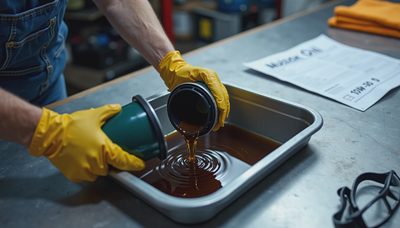
- Drain your oil into a pan you can control and carry without sloshing.
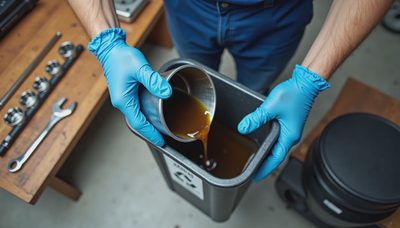
- As soon as you’re done, transfer the used oil carefully into a leak-proof can or container (the EPA’s wording). “Leak-proof” is the key spec here.
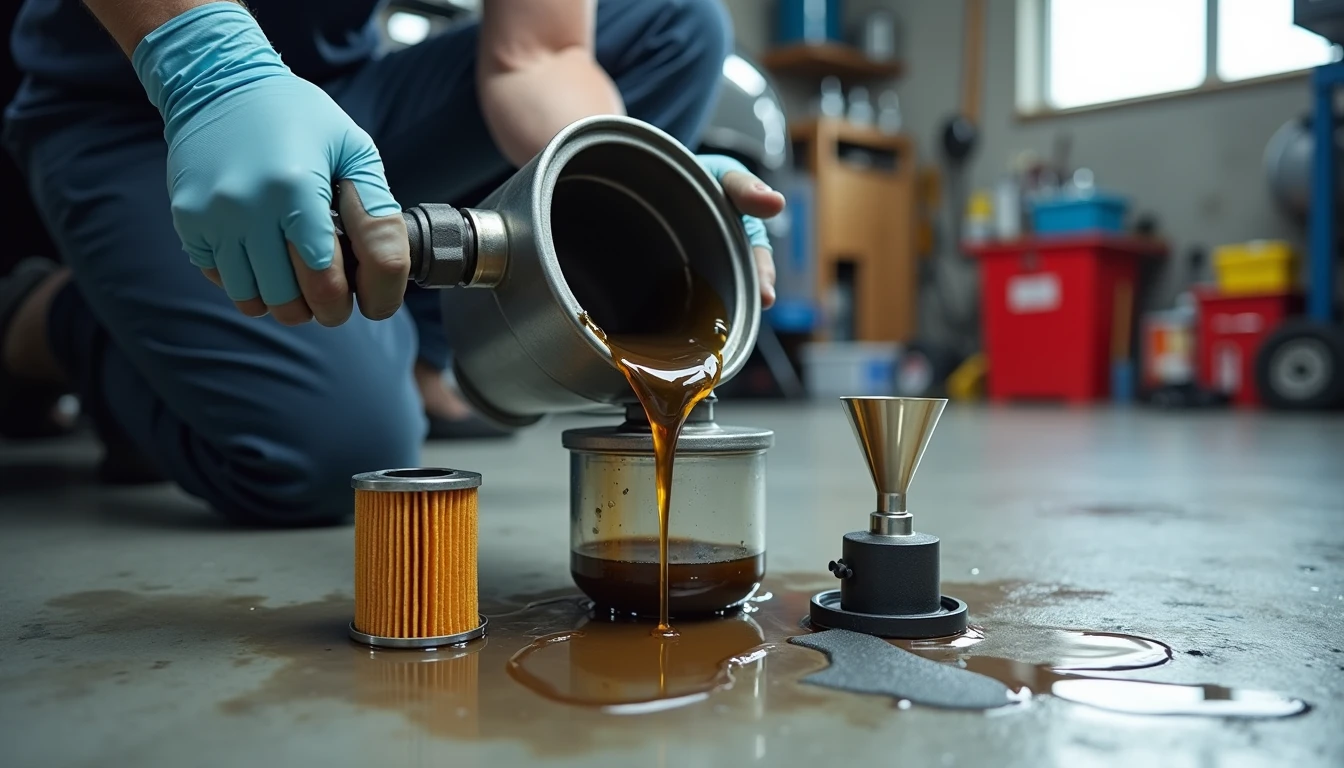
Pro Tip: Keep your drain pan and funnel dedicated to oil. If you use the same funnel for other chemicals, you increase the odds of contaminating the oil—making it harder to recycle and easier to spill.
Step 2: Store it like it can do damage (because it can)
Remember what the EPA said: used oil is persistent, slow to degrade, and can contain toxic chemicals and heavy metals. Treat storage as part of the job, not an afterthought.
- Cap the container tightly.
- Keep it upright somewhere it won’t get knocked over.
Pro Tip: If you have to set the container down in your trunk or cargo area, put it in a shallow plastic bin first. That way, if the cap seeps, you’re cleaning a bin—not your carpet.
Step 3: Find the right drop-off location
The EPA recommends checking with:
- Local automobile maintenance facilities
- Waste collectors
- Government waste officials
…to find out when and where you can drop off used oil for recycling.
They also list resources to locate recycling options:
- Earth 911 Recycling Search Tool
- American Petroleum Institute Used Motor Oil Collection and Recycling Site
Step 4: Drain and handle the used oil filter
Don’t toss the filter in the trash while it’s still full of oil.
- Drain the used oil filter (EPA’s guidance is “drain and recycle used oil filters”).
- Take the filter to a collection center—usually the same collection centers where you deposit used oil.
Pro Tip: Put the drained filter in a sealed bag or small container for transport. It keeps residual oil from coating your trunk and makes the drop-off cleaner.
Step 5: Understand what happens after you recycle it
Recycling isn’t just “disposing.” The EPA explains recycled used motor oil can be:
- Re-refined into new oil
- Processed into fuel oils
- Used as raw materials for the petroleum industry
That’s why they emphasize recycling and reusing is preferable to disposal: it keeps oil from polluting soil and water, and it recovers usable material.
Common Mistakes (myths, pitfalls, warnings)
Mistake 1: Dumping it “somewhere out back”
The EPA’s message is blunt: used oil is a major source of oil contamination of waterways and can result in pollution of drinking water sources. If it runs off your driveway, it can end up where you really don’t want it.
Mistake 2: Spilling during transfer
A lot of DIY oil “disposal problems” are really transfer problems. The EPA specifically warns: take care not to spill any when you collect it and use a leak-proof container. Small spills add up fast, and oil sticks to everything.
Mistake 3: Ignoring the oil filter
The filter is part of the waste stream. The EPA calls out that used oil filters pose similar concerns, and that you should drain and recycle them, typically at the same centers.
Mistake 4: Thinking oil is “used up” and worthless
The EPA’s point: motor oil does not wear out—it just gets dirty. That’s why recycling it makes sense. Treat it like a recoverable resource, not garbage.
Bottom Line (summary, recommended action)
Used oil is one of those DIY byproducts that’s easy to underestimate. But it’s persistent, potentially toxic, and a serious water pollutant if mishandled—and the EPA notes one oil change worth of used oil can contaminate one million gallons of fresh water.
Do it right: collect it without spills, store it in a leak-proof container, drain and bring the used oil filter too, and use local auto shops, waste officials, or tools like Earth 911 and the American Petroleum Institute’s site to find a legit recycling drop-off. Your car gets fresh oil, and your community doesn’t pay the price for the old stuff.