
If you're working on a car and the coolant level is low, the question often comes up: **can you mix different brands of coolant**? The short answer is: it depends on the chemistries involved. Mixing the wrong types can turn your cooling system into a chemistry experiment gone bad—gel formation, corrosion, and eventual overheating. Let's look at the science behind the colors, the specs that matter, and the safest way to handle a top-off or a full change.
The Short Answer: It Depends on the Chemistry
Coolants aren't just dyed water. They contain specific additive packages—corrosion inhibitors, antifreeze agents (ethylene glycol or propylene glycol), and buffers. The three main families are Inorganic Additive Technology (IAT, usually green or blue), Organic Acid Technology (OAT, often red, pink, or orange), and Hybrid OAT (HOAT, which combines IAT and OAT chemistries, often yellow or purple). **Can you mix different brands of coolant** that are both OAT? Possibly, but even within the same technology, different manufacturers use different additive formulations. Mixing can cause the additives to compete or precipitate, leading to sludge. The safest bet: stick with the same brand and type unless you flush the system first.

Why Color Is a Bad Guide—What to Look For Instead
Color used to be a reliable indicator: green meant IAT, red meant OAT. But modern OEM dyes are not standardized. A brand may sell a "universal" coolant that comes in green but is actually a HOAT chemistry. Relying on color alone to answer **can you mix different brands of coolant** is like picking a motor oil by its bottle shape. Instead, look at the label for the chemistry type (IAT, OAT, HOAT) and the OEM specification it meets (e.g., ASTM D3306 for light-duty, or a manufacturer-specific number like GM Dex-Cool). If you're at the parts counter, grab the customer's owner's manual—that's the final authority.
What Happens When You Mix Incompatible Coolants?
Mixing incompatible coolants can trigger a reaction that forms a gel-like substance. This gooey mess can clog heater cores, radiator tubes, and the water pump passages. I've seen a system where the owner topped off green IAT with red OAT—within a month, the thermostat stuck open from the sludge. The gel also reduces heat transfer, causing the engine to run hotter. Over time, incompatible additives can accelerate corrosion of aluminum, copper, and solder joints. If you're wondering **can you mix different brands of coolant** of the same color but different types, the answer is a firm no—unless you're prepared for a full system flush later.
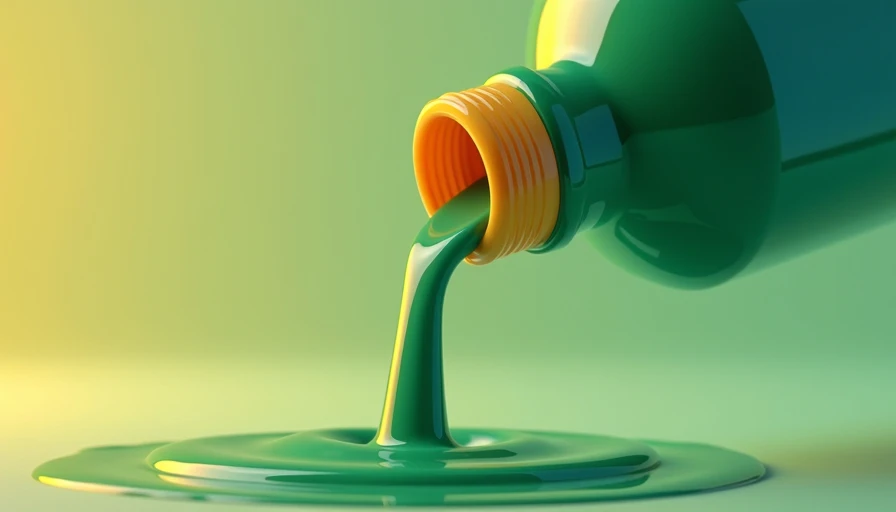
The Safest Practice: Stick to One Brand and Flush if You Must Switch
If you know the current coolant brand and type, buy the exact same product for top-ups. If you don't know what's in the system, or if you want to switch to a different brand or type, flush the entire system first. A proper flush removes the old coolant and any reaction residue. Refill with fresh, distilled-water-diluted concentrate (or premix) of your chosen new coolant. Then label the expansion tank with the brand and date. This practice eliminates the guesswork around **can you mix different brands of coolant**—because you won't be mixing at all. For fleet or shop settings, consider standardizing on one brand across all vehicles to avoid confusion.
Reference Box: Key Points for the Parts Counter
If your customer asks, the one-line answer is: **Do not mix different brands of coolant unless you have verified the chemistry type matches.** The safest move is to buy the same brand and type you already have in the system. If that's not possible, recommend a complete flush and fill. Remind them that "universal" coolants are not truly universal—they still specify a type on the bottle.
Frequently Asked Questions
**Can I mix universal coolant with any brand?**
Universal coolants are typically HOAT formulations designed to be compatible with both IAT and OAT systems, but mixing with existing coolant still carries risk. Use only if you know the existing coolant is compatible with the universal's chemistry, or flush first.
**What about premix vs. concentrate?**
Both work. If you're topping off, use the same type (premix or concentrate diluted accordingly). Never add straight concentrate to a system—it can cause localized freezing or overheating.
**Is it okay to top off with water in an emergency?**
In an emergency, distilled water is acceptable to reach the nearest shop, but then you must fully drain, flush, and refill with the correct coolant mix. Tap water introduces minerals that can scale the system.
**How often should I flush the cooling system?**
Most manufacturers recommend every 2-5 years or 30,000-60,000 miles, depending on coolant type. Always check the owner's manual.
Remember: the next time a customer or a fellow tech asks **can you mix different brands of coolant**, you have the chemistry, the spec, and the procedure to give them a solid answer.



No comments yet — be the first to share a thought.