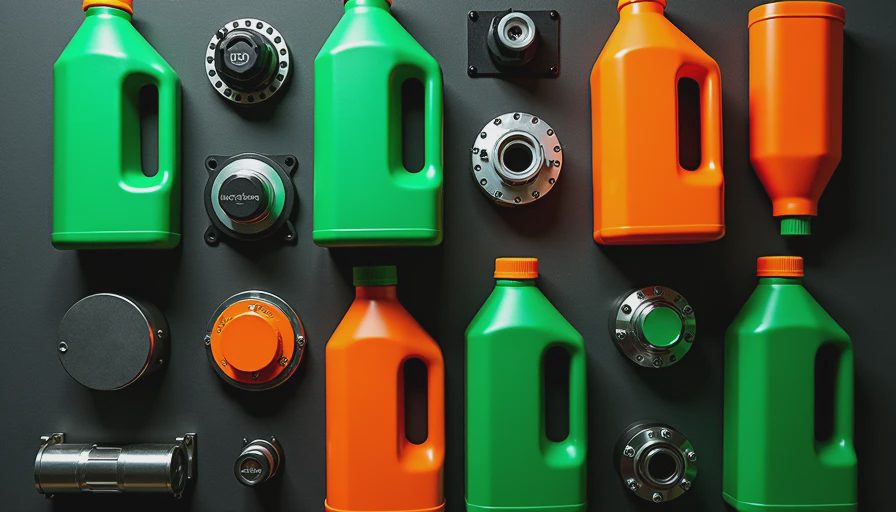
If you're wondering what happens if you mix green and orange coolant, the short answer is that you risk damaging your cooling system. Mixing different coolant chemistries can lead to gel formation, reduced heat transfer, and potential engine damage. Here's the chemistry, the spec, and what to do with it.
**Reference Box:** Green coolant (IAT, Inorganic Additive Technology) uses silicates and phosphates to protect metals. Orange coolant (OAT, Organic Acid Technology) uses organic acids like sebacate and 2-ethylhexanoic acid. These chemistries are not compatible.
The Chemistry Behind Green and Orange Coolant
Green coolant (often called conventional or IAT) relies on a silicate-based inhibitor package. It was the standard through the 1990s and is still common in older vehicles. The silicates form a protective layer on metal surfaces but have a relatively short service life—typically two years or 30,000 miles.
Orange coolant (OAT) was introduced by GM in the mid-1990s, often referred to as Dex-Cool. It uses organic acid salts as corrosion inhibitors. OAT coolants last longer—up to five years or 150,000 miles—and do not contain silicates. They rely on the organic acids to passivate metal surfaces without forming the same kind of layer.
When you mix these two chemistries, the silicates in the green coolant can react with the organic acids in the orange coolant. This reaction can form a thick, gel-like substance that clogs radiator passages, heater cores, and the water pump. The gel also reduces heat transfer, leading to overheating.
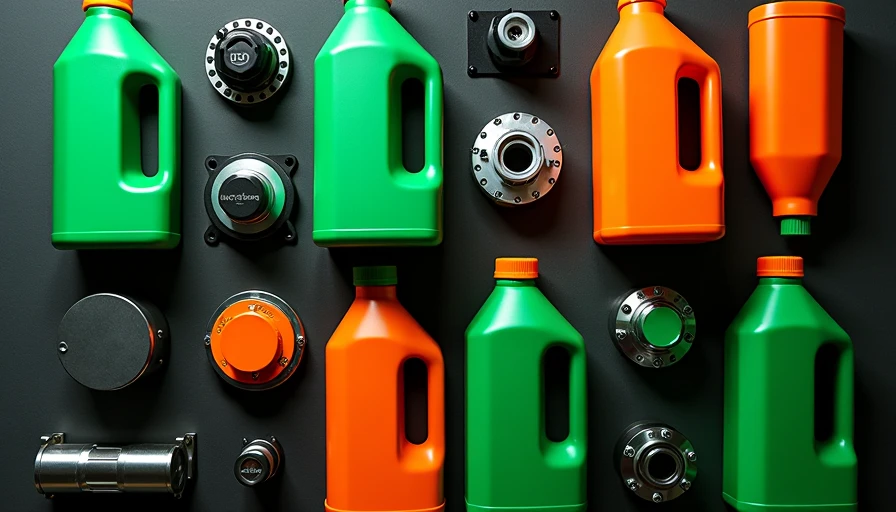
What Happens When You Mix Green and Orange Coolant?
Here’s what happens if you mix green and orange coolant: the silicates and organic acids begin to interact almost immediately. Under normal operating temperatures—around 190–210°F—the reaction accelerates. Within a few hundred miles, you may notice:
- **Gel formation:** The coolant becomes sludgy, like thin jelly.
- **Reduced flow:** The gel restricts circulation, causing the engine to run hotter.
- **Radiator blockage:** Small passages in the radiator core can clog.
- **Heater core failure:** The heater core, which has tiny tubes, is especially vulnerable.
In severe cases, the gel can harden permanently, requiring a full cooling system overhaul—radiator, heater core, water pump, and hoses. This can cost $800–$1,500 for most vehicles.
Signs of Coolant Contamination
How can you tell if green and orange coolant have been mixed? Look for these symptoms:
- **Color change:** The coolant may turn brown, murky, or have a jelly-like appearance.
- **Overheating:** Your temperature gauge reads higher than normal, especially under load.
- **Poor heater performance:** The cabin heater blows cool air because the heater core is blocked.
- **Sludge in the reservoir:** If you open the coolant tank and see a gel-like substance on the cap or dipstick, you’ve got a problem.
**Reference Box:** ASTM D3306 specifies the required properties for engine coolants. Mixed coolants rarely meet these specs. Flush immediately if you suspect contamination.

How to Fix It: Flush and Refill
If you’ve mixed green and orange coolant, don’t panic. Drain the system completely. Here’s a step-by-step approach:
- **Let the engine cool completely.** Never open a hot radiator cap.
- **Drain the coolant** from the radiator drain plug or lower radiator hose. Collect it for proper disposal.
- **Flush with distilled water.** Use a chemical flush product if the gel is thick. Run the engine with plain water for 10–15 minutes, then drain again.
- **Repeat the flush** until the drained water runs clear and free of sludge.
- **Refill with the correct coolant** per your owner’s manual. Do not mix types.
**Note:** Some new coolants are marketed as “universal” and are often yellow or pink. Check the label for compatibility—some still contain silicates or organic acids that may not suit your vehicle.
Prevention and Proper Coolant Selection
To avoid the problem, always use the coolant specified by the manufacturer. Most vehicles built after 2000 use either OAT (orange, pink, or red) or HOAT (Hybrid OAT, often yellow or turquoise). Check your owner’s manual under “Coolant” or look under the hood for a sticker.
- **If you drive a pre-2000 domestic or import,** green IAT is likely correct. Replace every two years.
- **If you drive a 2000+ GM, Ford, or Chrysler,** orange or yellow OAT/HOAT is typical. Check the manual.
- **European vehicles (BMW, Audi, VW)** often use a pink or blue OAT. Do not use green or orange.
The One-Line Answer
So, what happens if you mix green and orange coolant? You get a gel that can clog your cooling system and cause overheating, leading to expensive repairs. The fix is a thorough flush. The prevention is simple: stick to the factory spec.
If your customer asks, the one-line answer is: “Don’t mix them. Use the coolant your owner’s manual recommends, and flush if you already mixed.”



No comments yet — be the first to share a thought.