After reading this guide, you will be able to look up the coolant boiling point for a water-glycol mixture, explain why a radiator cap changes the answer, and choose a sensible diagnostic test. This is a shop-floor question with a chemistry answer: the fluid does not have one universal boiling temperature. Concentration, system pressure, altitude, coolant condition, and local hot spots all matter.
The basic coolant boiling point
At sea level, pure water boils at 212 degrees Fahrenheit, or 100 degrees Celsius. Automotive antifreeze changes that behavior because ethylene glycol has a higher normal boiling temperature than water. A properly mixed 50/50 solution of ethylene glycol and water typically begins boiling near 223 degrees Fahrenheit at atmospheric pressure, although the exact figure depends on formulation and test method.
That number is not the temperature at which an engine should normally operate. A modern cooling system is sealed and pressurized, so the coolant boiling point inside the system is higher. With a sound cap producing roughly 13 to 16 psi above atmospheric pressure, a typical 50/50 mixture can tolerate temperatures in the neighborhood of 265 to 275 degrees Fahrenheit before bulk boiling begins.
Reference Box: The one-line answer is that a 50/50 coolant mixture boils at about 223 degrees Fahrenheit without pressure and roughly 265 to 275 degrees Fahrenheit under normal radiator-cap pressure.
The phrase bulk boiling matters. A temperature sensor in the cylinder head may show 230 degrees Fahrenheit while a thin boundary layer beside an exhaust valve is much hotter. Local vapor bubbles can form before the whole cooling system appears to boil. Those bubbles reduce heat transfer and can create hot spots, which is why a gauge that looks only slightly high still deserves attention.

Why pressure changes the number
The coolant boiling point rises because pressure makes it harder for liquid molecules to escape into vapor. This is the same principle used in a pressure cooker. The radiator cap, expansion-tank cap, hoses, water pump, and sealed connections work together to maintain that pressure as the coolant heats and expands.
A weak cap can therefore cause trouble before any other component fails. If the specified cap should hold 15 psi but opens early, the system loses its boiling margin. Coolant can push into the overflow tank, vent, or boil locally even when the mixture itself is correct. A cap that does not hold pressure should be replaced with the correct pressure rating; installing a stronger cap is not a safe upgrade because hoses, seals, and the radiator may not be designed for it.
Air trapped in the cylinder head creates a similar problem. Air pockets do not carry heat like liquid coolant, and they can interrupt circulation around sensors or combustion chambers. Follow the vehicle maker's bleeding procedure after a drain and refill. Some engines require a bleed screw, a special fill funnel, or a scan tool command to operate an electric pump.
Mixture strength and real-world limits
More antifreeze does not provide unlimited boiling protection. Ethylene glycol has a higher boiling temperature than water, but it transfers heat less effectively. A mixture close to 50/50 is common because it balances freeze protection, heat transfer, corrosion protection, and acceptable boiling resistance. A concentration near 60 percent glycol can provide additional freeze protection, but it is not automatically better for an overheated engine.
Very strong mixtures can reduce cooling performance and become expensive insurance against a condition that may never occur. Conversely, excess water reduces freeze protection and lowers the coolant boiling point. Water quality also matters. Hard tap water can contribute minerals and deposits, while distilled or deionized water is commonly preferred when concentrate is mixed, provided the product and vehicle instructions allow it.
The coolant boiling point is not reliably predicted by fluid color. Orange, yellow, pink, blue, and green dyes are marketing or identification choices, not a universal chemistry standard. Read the bottle specification and vehicle service information. Mixing incompatible inhibitor packages can reduce corrosion protection even if the resulting color looks normal.
How technicians should test the cooling system
A refractometer or quality hydrometer is useful for estimating freeze protection and glycol concentration. It does not directly measure the coolant boiling point. This distinction matters when a customer says the tester showed good coolant but the vehicle still overheated. The instrument may confirm concentration while saying nothing about a leaking cap, restricted radiator, failed thermostat, weak water pump, or combustion gas entering the cooling system.
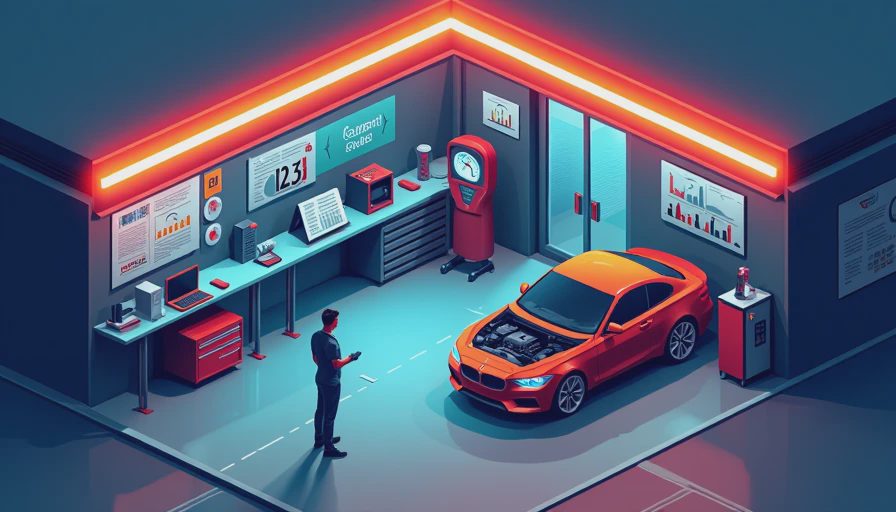
Start with a cold engine. Inspect the level, reservoir condition, hose surfaces, belt or electric-pump operation, and signs of dried coolant residue. Test the cap with a cooling-system pressure tester or cap adapter. The system should hold the specified pressure for the specified test period without a rapid drop. A pressure loss points toward an external leak or, depending on the test, an internal leak.
If the engine overheats under load, compare scan-tool coolant temperature with an infrared measurement at appropriate metal locations. Infrared readings require a clean surface and a realistic emissivity setting, so use them as supporting evidence rather than absolute proof. Check thermostat operation, radiator airflow, fan engagement, and trapped air before blaming the coolant itself.
Diagnosing boiling, overflow, and vapor
Visible bubbling in an overflow reservoir does not always mean the coolant boiling point has been reached. Coolant may be returning through the normal expansion circuit, or combustion gases may be entering the system. Repeated bubbling from a cold start, a hard upper hose shortly after startup, unexplained coolant loss, or exhaust gas in the reservoir raises concern about a head-gasket or cylinder-head problem.
A sudden overflow after shutdown can result from heat soak. Once the engine stops, coolant circulation and airflow decrease while metal components continue transferring heat into the fluid. If the cap is weak, the mixture is diluted, or the radiator is restricted, the available margin becomes smaller. Do not remove a hot pressure cap. Let the system cool fully, then cover the cap with a thick cloth and release it slowly only when safe.
When documenting a repair, record the coolant type, measured concentration, cap rating, pressure-test result, and temperature observed during the event. Those details prevent a vague parts-swapping diagnosis and give the next technician a useful starting point.
Service decisions and safe handling
Use the vehicle manufacturer's coolant specification rather than choosing by color or the highest advertised coolant boiling point. Pre-mixed coolant is convenient and reduces mixing errors; concentrate allows control over the final ratio but requires the correct water. After service, verify the level cold, bring the engine to operating temperature according to the service procedure, allow it to cool, and recheck the reservoir.
Ethylene glycol coolant is toxic if swallowed and can harm animals. Keep containers closed, clean spills promptly, and never leave a drain pan unattended. Collect used coolant in a labeled container and take it to a municipal household hazardous-waste program, service shop, or recycling facility that accepts antifreeze. Do not pour it onto soil, into a storm drain, or into a septic system.
If your customer asks, the one-line answer is this: the coolant boiling point depends on mixture and pressure, and an overheating complaint requires testing the complete cooling system. Here's the chemistry, here's the spec, here's what to do with it.



No comments yet — be the first to share a thought.