After this post, you’ll be able to look up what a DPF does, distinguish a regeneration problem from an ash-loaded filter, and choose engine oil without guessing. A diesel particulate filter traps soot in the exhaust; it periodically burns that soot during regeneration, but noncombustible ash remains. A warning light is a reason to follow the vehicle’s service procedure, not automatically a reason to replace the filter.
How the filter works
A DPF is a porous filter in the diesel exhaust system. Exhaust passes through its walls, leaving much of the particulate matter behind. The captured material includes soot from combustion and ash from sources including engine oil additives, fuel, and engine wear.
Here’s the chemistry, here’s the spec, here’s what to do with it: soot is primarily carbonaceous material that can be oxidized under suitable conditions. Ash is largely noncombustible residue. Getting the exhaust hot enough can reduce soot loading, but it does not make accumulated ash disappear.
Reference Box: Regeneration removes soot; it does not remove ash. A filter can need professional cleaning or replacement even when regeneration is working correctly.
What regeneration means to a driver
During passive regeneration, suitable exhaust conditions allow soot oxidation to occur without a distinct driver-requested cleaning event. During active regeneration, the engine control system takes action to raise exhaust temperature when needed. The exact strategy varies by vehicle and engine.
Frequent short trips, idling, and light loads may prevent the system from reaching or maintaining the conditions needed to complete a regeneration. Depending on the vehicle, a warning light or message may instruct the driver to continue driving under specified conditions. Follow the owner’s manual for speed, duration, and any other requirements; there is no universal highway-speed cure.
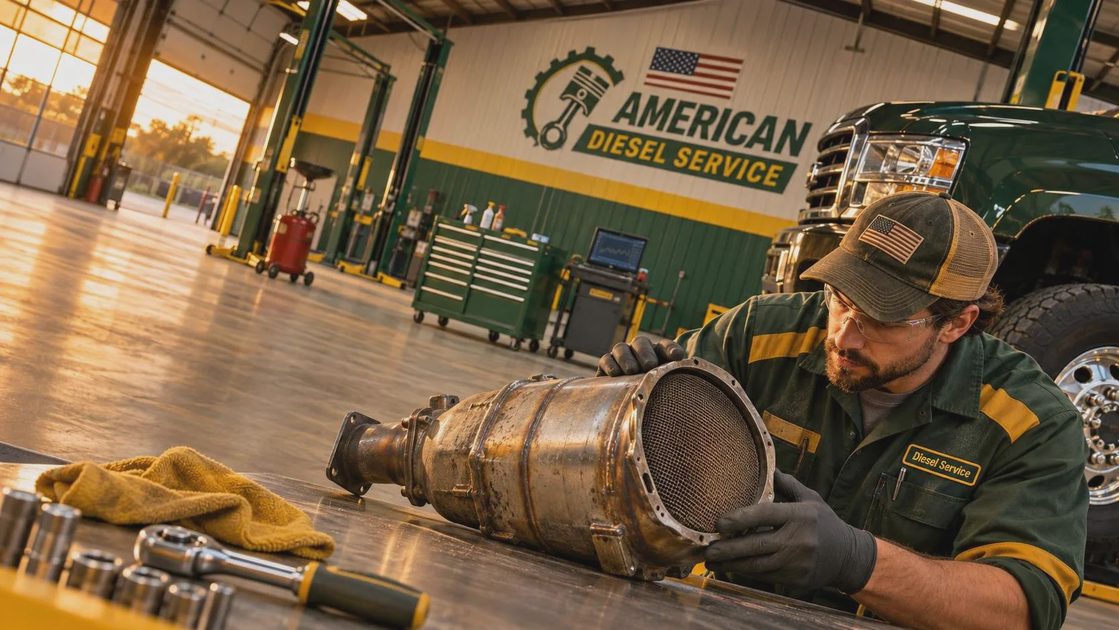
If the DPF warning persists, another warning appears, or power is reduced, stop guessing and arrange diagnosis. A shop may need to perform a stationary or service regeneration with appropriate scan equipment, but only after checking that the vehicle is eligible and safe for the procedure. Excessive soot loading or another fault can make a forced regeneration inappropriate.
Regeneration produces very hot exhaust. Keep the vehicle away from dry grass, paper, fuels, and other combustible materials, and never run it in an enclosed space without suitable exhaust extraction. Follow the manufacturer’s instructions for the work area and procedure.
Why the right oil matters
Some engine-oil additives contain metals that can form ash when oil is consumed and burned. Low-ash formulations help limit that contribution, but they do not eliminate ash accumulation. Oil consumption matters too: an engine burning excessive oil can load the filter faster, even if the oil meets the correct specification.
For a DPF-equipped diesel, start with the engine manufacturer’s required oil specification and viscosity for the operating temperature. API CK-4 is a diesel engine oil category; API FA-4 is a separate category for certain engines designed to use it. FA-4 is not a blanket substitute for CK-4. Use it only where the engine manufacturer permits it.
Reference Box: SAE viscosity grade describes an oil’s viscosity characteristics; an API service category addresses a broader set of performance requirements. Neither, by itself, guarantees that the oil meets a particular engine manufacturer’s approval.
On the spec sheet, the number that decides it is the exact specification required by the engine manufacturer, alongside the specified SAE grade. Check the oil container and the manufacturer’s documentation for the applicable claim or approval. “Diesel oil” on the front label is not enough.
Also investigate a rising oil level or fuel smell in the oil. Some regeneration strategies can contribute to fuel dilution, but those symptoms can have other causes. Follow the engine maker’s diagnostic and oil-change guidance rather than assuming a simple top-off will fix the problem.

Diagnosing restriction without replacing good parts
A DPF fault code points the technician toward a system or condition; it does not, on its own, prove the filter has failed. Record the codes and relevant operating data before clearing anything. Then use the manufacturer’s diagnostic sequence to check the cause of the reported restriction or regeneration failure.
Differential-pressure readings can help, but interpret them at the specified operating conditions. Inspect pressure-sensor hoses and connections for blockage, leaks, damage, or incorrect routing. Temperature sensors, exhaust leaks, and engine-control faults can also affect diagnosis. Compare readings with the service information for that engine rather than applying a generic pressure threshold.
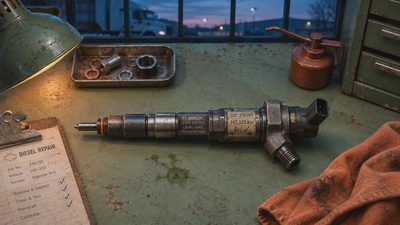
If the system is generating soot too quickly, look upstream. An intake-air problem, an injector fault, or another combustion issue can overload a filter repeatedly. Fixing the cause matters as much as restoring exhaust flow; otherwise, the same warning may return.
Cleaning, replacement, and disposal
A DPF with high ash loading may be a candidate for off-vehicle cleaning by a qualified service provider, if the filter’s condition and the manufacturer’s instructions permit it. Cleaning methods and acceptance criteria vary. A cracked or melted substrate, damaged housing, or other failure may make replacement necessary.
Ask the cleaning provider how the filter will be inspected and what before-and-after measurements will be supplied. Install it using the specified gaskets and procedures, and perform any required control-module reset or learned-value procedure only as directed. A reset does not physically clean a filter.
Do not blow filter dust into the shop or empty it into ordinary trash as a casual cleanup job. Handle removed material and used filters according to the service provider’s instructions and applicable state and local disposal rules. Used oil and oily cleanup materials also require proper collection; never pour them onto the ground or down a drain.
If your customer asks, the one-line answer is: a DPF catches diesel soot, regeneration burns much of that soot, and correct oil plus prompt diagnosis helps keep the system working as intended.

No comments yet — be the first to share a thought.