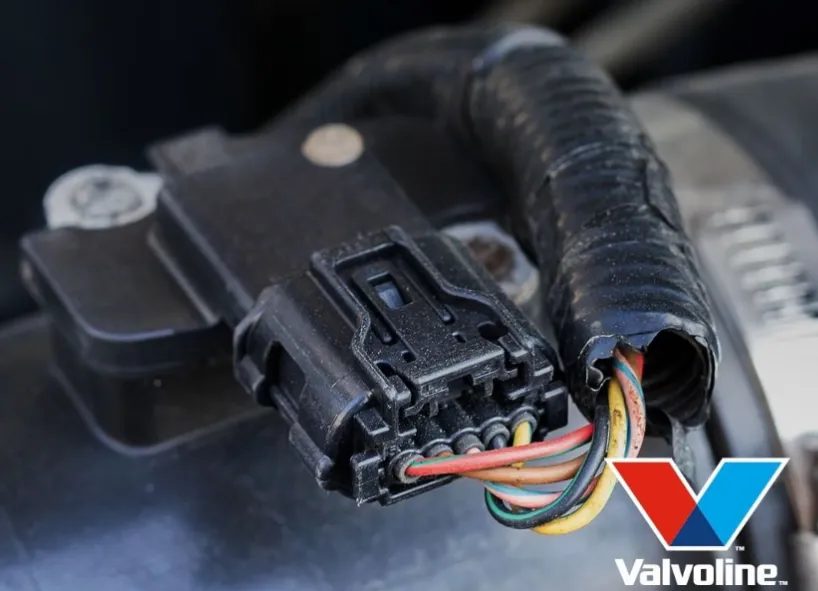
Proper operation of a car's internal combustion engine depends on both air and fuel working together. Maintaining an optimal air-fuel ratio is critical to sustaining consistent combustion and maximizing engine performance.
Historically, the carburetor was the sole device responsible for regulating the mixture of air and fuel. The introduction of modern Engine Control Units (ECUs), also referred to as Engine Control Modules, fundamentally transformed this process. These units rely on Mass Air Flow (MAF) sensors to quantify incoming airflow.
So what exactly are MAF sensors, and why is maintaining their performance so crucial?
Commonly referred to as an air meter, a Mass Air Flow sensor serves a vital function in any vehicle. Its primary job is to measure the quantity of air — specifically the mass flow of air — that enters the internal combustion engine.
Using these real-time measurements as input, the engine control unit calculates how much fuel mass is required to maintain the proper balance between air and fuel.
It is also worth noting that air density fluctuates based on factors like temperature, pressure, and humidity. This is another area where MAF sensors prove their value. For measuring intake air quantity in each cylinder, they deliver greater precision than volumetric flow sensors.
Vane Air Flow Meters represent an older category of airflow sensor. They are subdivided into VAF Signal Voltage and Karman Vortex Air Flow Sensors. The Karman Vortex type is the more recent design, employing a moveable mirror and a phototransistor to detect airflow.
Hot Wire Air Flow MAF sensors are a more sophisticated and widely used variety. Their construction includes a thermistor, a platinum hot wire, and an electronic control circuit. The thermistor functions as a temperature sensor that tracks air temperature, while the electronic control circuit maintains the platinum hot wire at a steady temperature. As air passes over the heated wire, the wire cools. When the temperature differential between the two wires shifts, the MAF sensor automatically adjusts the current to the hot wire up or down accordingly.
Cold Wire Air Flow sensors also exist and operate on principles similar to those of hot wire sensors. The key difference is an additional cold resistor that enables them to measure ambient air temperature as well.
Diagnosing MAF sensor problems can be difficult because the symptoms are not always obvious. For this reason, consulting a qualified professional and arranging for MAF sensor replacement when necessary is strongly advisable.
The following are some of the most frequently observed signs of a failing MAF sensor:
A defective MAF sensor can produce a range of performance problems, including engine stalling, jerking, or hesitation during acceleration. These symptoms may appear whether you are accelerating from a stop or traveling at a steady speed.
Driving with such engine problems creates a genuine safety hazard — not only for you as the driver but for other road users as well. Should any of these symptoms arise, getting your vehicle inspected promptly is essential.
Both of the following conditions signal that the engine's fuel-air ratio has fallen out of balance.
Running rich describes a condition where excess fuel is present relative to the available air. Typical signs of a rich-running engine include reduced fuel efficiency, rough idling, and black smoke emitting from the tailpipe.
Running lean is the inverse of running rich — there is insufficient fuel to match the volume of air entering the engine. This condition suggests the MAF sensor is feeding inaccurate data to the ECU, which then fails to blend air and fuel in the correct proportions. Sustained lean operation can cause serious engine damage over time, including hard starting, hard engine seizures, and engine surging.
What causes these problems to develop in the first place?
Road debris, dust, dirt, and other contaminants that bypass the air filter can accumulate on the wires of the MAF sensor, degrading its ability to accurately measure airflow. This buildup may produce false airflow readings, particularly at lower speeds. As previously discussed, a malfunctioning MAF sensor prevents the engine from achieving the proper air-fuel mixture.
Cleaning the MAF sensor is often a reasonable first step toward resolving these issues. That said, having a qualified mechanic inspect it is the safest course of action to protect your vehicle.
The Mass Air Flow sensor plays an indispensable role in the efficient operation of your vehicle's internal combustion engine. Its airflow measurements give the ECU the data it needs to properly balance air and fuel.
Put simply, a car cannot function without a working MAF sensor.
This is precisely why regular inspection and proper maintenance of this component are so important. On the positive side, MAF sensors are relatively affordable to replace, and cleaning them is something you can handle yourself.
Visit Valvoline today and speak with our professional staff to find the right cleaning product for your MAF sensor!



No comments yet — be the first to share a thought.