Magnetic Crankshaft Position Sensor: How It Works, How to Test It, and When to Replace It
If you work in a shop or manage a fleet, you will eventually face a no-start or an intermittent stall that points to a bad magnetic crankshaft position sensor. This article covers how this sensor works, how to test it, the codes it sets, and when to replace it. The magnetic crankshaft position sensor is a variable reluctance sensor that reads a toothed reluctor wheel on the crank or flywheel. It needs no external power supply. As each tooth passes the magnet, it generates a small AC voltage the engine computer uses for RPM and timing.
What Is a Magnetic Crankshaft Position Sensor?
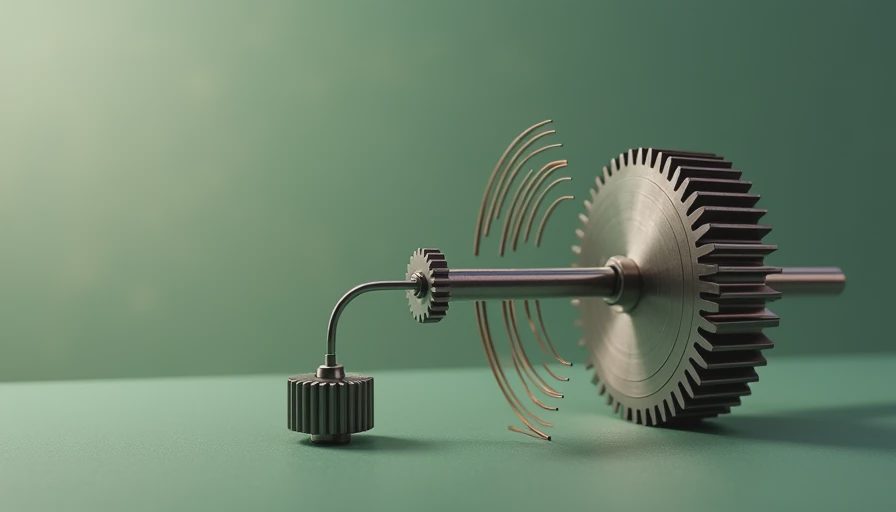
A magnetic crankshaft position sensor, also called a variable reluctance sensor or VR sensor, bolts to the engine block near the crankshaft, flywheel, or crank pulley. A notched steel disc spins with the crank. As a tooth approaches the sensor, the magnetic flux through the coil increases; as it moves away, flux decreases. That changing flux creates an AC voltage that repeats each time a tooth passes. The frequency of that signal is directly proportional to engine speed, and the position of the missing tooth or pattern tells the PCM where the crank is. The PCM uses that information to fire the injectors and the ignition coils at exactly the right moment. If this sensor fails, you lose the engine's timing reference.
Reference Box: This is a self-generating sensor. It does not need a 5-volt or 12-volt supply from the engine computer. The variable reluctance design produces an AC sine wave, so testing it is different from testing a Hall-effect switch.
Symptoms of a Failing Magnetic Crankshaft Position Sensor
When the magnetic crankshaft position sensor starts to fail, the most common symptom is an engine that cranks fine but refuses to start. You may also see intermittent stalling, a sudden misfire, a tachometer that drops to zero, or a backfire through the intake. The engine computer sets codes P0335 and P0336. P0335 means no signal from the sensor circuit. P0336 means the signal is out of range. A worn reluctor wheel, a bent tone ring, or a cracked magnet can all produce these codes. If the wiring and connector are intact, the sensor is the first part to verify.
How to Test the Crankshaft Position Sensor
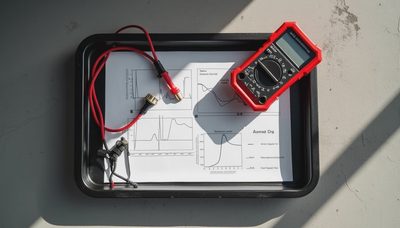
You do not need a scan tool for the first test. Unplug the sensor connector and measure resistance between the two sensor terminals on the sensor side. A good magnetic crankshaft position sensor typically reads 200 to 1000 ohms, but check the exact specification for the year and model. If the meter reads open or a direct short, the winding is bad. Next, reconnect the connector and back-probe the signal wire. Crank the engine and set your digital multimeter to AC volts. A healthy sensor produces a fluctuating AC voltage, usually a few tenths of a volt at cranking speed. If the AC voltage is flat, inspect the reluctor wheel for damaged teeth and check the air gap. The specified gap is often 0.020 to 0.050 inch; some designs are adjustable, others are fixed.
Reference Box: On the spec sheet, the resistance in ohms at 68°F is the number that decides it. Measure across the sensor terminals, not the harness.
Why Oil, Coolant, and Metal Debris Kill These Sensors
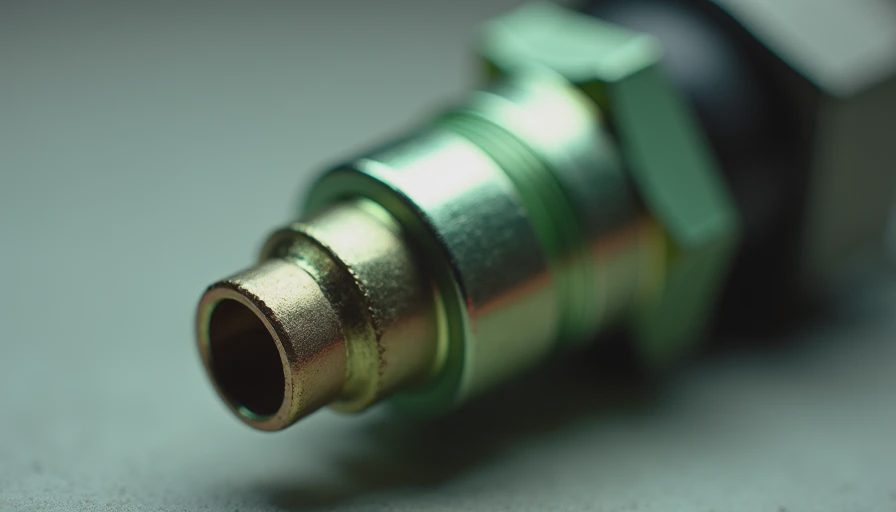
This sensor lives in an environment hostile to a precision magnetic circuit. It sits inches from the front main seal, oil filter, and coolant passages. A leaking valve cover or front main seal lets engine oil wick into the connector and up the harness. Oil on the sensor tip weakens the signal. Metal shavings from bearing wear can be drawn to the magnet and create a false signal. Coolant residue and road salt can also contaminate the connector. When inspecting a no-start, unplug the sensor and check the terminals for oil or green corrosion. Clean the connector with electrical contact cleaner and fix the oil leak before installing a new part. A $40 sensor over a $200 leak will fail again.
Replacement Cost, Brands, and Labor
A new magnetic crankshaft position sensor costs about $25 to $120 for the part alone, depending on the vehicle. Brands you will see on the counter include Denso, Delphi, Standard Motor Products, NTK, Bosch, Walker Products, and AC Delco. Labor time ranges from 20 minutes to two hours, depending on access. At typical shop rates, expect a total of $100 to $300. Replacement is straightforward: disconnect the battery, unplug the connector, remove the bolt, pull the sensor, press in the new one, and reattach the connector. Torque the bolt to spec. A seized sensor can break, so twist it out gently. Use nothing on the sensor tip; it seats directly against the tone wheel.
How to Avoid a Comeback
After replacing this sensor, clear the codes and run the engine through the operating range. Check that the tachometer reads correctly and the check engine light stays off. If the engine stalls after a hot soak, suspect a thermal failure in the sensor. In my classroom, I tell technicians this: the sensor is simple, but the wiring is not. Inspect the harness for chafing and replace the connector if the terminals are loose. That step separates a ten-minute repair from a repeat customer.
Here's the chemistry, here's the spec, here's what to do with it. Keep the sensor clean, keep engine fluids where they belong, and the signal will stay accurate for a hundred thousand miles or more.

No comments yet — be the first to share a thought.