After reading this guide, you will be able to sort the most common P0300 code causes into ignition, fuel, air, mechanical, and control-system problems. You will also have a practical test sequence that prevents the usual parts-swapping exercise. A P0300 diagnostic trouble code means the powertrain control module has detected misfires occurring at multiple cylinders or in a pattern it cannot assign to one cylinder. It does not identify the failed part.
The first distinction is important. A cylinder-specific code such as P0301 points toward cylinder one, while P0300 describes a random or multiple-cylinder misfire. The engine may run roughly, hesitate under load, flash the malfunction indicator lamp, or start normally and misfire only after warm-up. Do not continue driving with a flashing check-engine light; raw fuel can overheat and damage the catalytic converter.
What the P0300 code actually tells you
The module determines misfire from changes in crankshaft speed measured through the crankshaft position sensor. When combustion fails, that cylinder contributes less torque and the crankshaft slows slightly. Software compares those speed changes with engine load, speed, and operating temperature. If the pattern crosses the manufacturer’s threshold without consistently identifying one cylinder, P0300 is stored.
Reference Box: P0300 is a symptom code for random or multiple-cylinder misfire, not a parts recommendation. The useful next question is when the misfire occurs: cold start, idle, acceleration, or steady cruise.
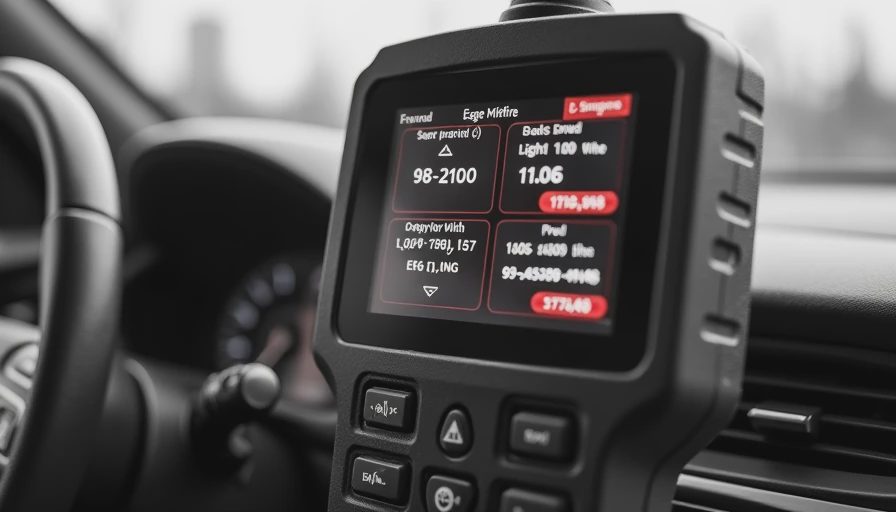
Record freeze-frame data before clearing anything. Note engine speed, coolant temperature, calculated load, fuel trims, and vehicle speed. A code that appears at 2,800 rpm under heavy load points toward a different test than one appearing during a cold idle. Also scan for related codes. Fuel-pressure, cam-timing, oxygen-sensor, and lean-condition codes can explain the misfire rather than represent separate failures.

Ignition-related P0300 code causes
Ignition faults are common because spark demand rises sharply under cylinder pressure. Worn spark plugs, incorrect plug gaps, cracked ceramic, carbon tracking, weak coil-on-plug units, damaged coil boots, and poor electrical connections can all produce multiple-cylinder misfires. A plug that fires acceptably at idle can fail during acceleration when the required voltage is higher.
Inspect the plugs for fuel wetness, oil fouling, ash deposits, or an unusually clean porcelain tip that could indicate coolant entry. Compare the gap with the vehicle’s service specification rather than assuming a pre-gapped plug is correct. On coil-on-plug engines, swap a suspect coil with another cylinder only when the scan data identifies a cylinder. If the misfire follows the coil, the coil is a strong suspect; if it does not, continue testing.
Do not overlook battery voltage and engine grounds. Low cranking voltage, corrosion at a ground strap, or a loose coil connector can create several apparent ignition failures. On older distributor systems, inspect the cap, rotor, wires, and ignition timing. A basic spark tester is safer and more useful than holding a plug wire near the engine block.
Fuel, air, and sensor causes
Fuel delivery is another major group of P0300 code causes. A restricted filter, weak pump, failing pump driver, contaminated fuel, or low rail pressure can starve several cylinders. Direct-injection systems require the correct high-pressure test procedure; do not loosen high-pressure lines on a running engine. Compare actual pressure with the manufacturer’s specification during cranking, idle, and a loaded condition when the service information calls for it.
Leaking or restricted injectors create different patterns. A sticking injector can make one cylinder rich or lean, while inadequate pump volume affects the whole bank or engine. Injector balance testing, current-ramp testing, or a professional scan-tool test is more informative than replacing all injectors. If fuel trims are strongly positive at idle but improve at higher rpm, look for an intake vacuum leak. Check the PCV system, intake manifold gasket, brake-booster hose, and purge valve.
Mass airflow sensor contamination, an incorrect unmetered-air reading, or a damaged duct between the airbox and throttle body can also disturb mixture control. Sensor cleaner is not a universal repair, and some sensing elements are damaged by aggressive solvents. Use the service procedure and wiring checks before applying chemicals.
Mechanical P0300 code causes
Mechanical faults deserve attention when ignition and fuel tests look normal. Low compression from a burned valve, worn rings, damaged piston, or head-gasket failure can cause a persistent misfire. Uneven compression between cylinders is more meaningful than one absolute number, so test all cylinders with the throttle held open and the battery adequately charged. Follow the engine maker’s procedure for disabling fuel and ignition.
A leak-down test helps locate the loss. Air heard at the throttle body suggests an intake valve; air at the tailpipe suggests an exhaust valve; air at the crankcase points toward rings or piston damage. Coolant loss, white exhaust vapor, bubbling in the cooling system, or a pressure drop can support a head-gasket diagnosis, but do not use coolant color alone as proof. Coolant chemistry varies, and mixing incompatible products can create deposits without causing a misfire by itself.
Variable valve timing problems are also among the P0300 code causes. Low oil level, incorrect viscosity, restricted control passages, a sticking oil-control solenoid, or a failed cam actuator can alter valve timing enough to produce rough running. Check oil level and condition, inspect the solenoid screen if applicable, and compare commanded versus actual cam angles with a capable scan tool.
A disciplined diagnostic sequence
Begin with a complete scan and save freeze-frame data. Then verify the complaint with a road test while monitoring misfire counters, fuel trims, engine load, and coolant temperature. If one cylinder dominates, test that cylinder first. If several counters rise together, test shared power, ground, fuel pressure, intake leaks, and valve timing.
Next, inspect simple items: plug condition, coil connectors, air ducting, vacuum hoses, oil level, and coolant level. Perform a smoke test when an intake leak is suspected. Measure fuel pressure and volume using the specified equipment. Only after those checks should you proceed to compression, leak-down, injector waveform, or timing analysis.
Clear the code only after recording the evidence, then repair one confirmed fault at a time. A post-repair drive cycle should reproduce the original operating conditions. Confirm that misfire counters remain stable and that fuel trims return to a reasonable range. If the catalyst monitor or another readiness monitor is incomplete, explain that a longer drive may be required.
What to tell a customer or parts-counter buyer
If your customer asks, the one-line answer is: P0300 means the engine is misfiring in more than one cylinder or the computer cannot isolate the cylinder, so diagnosis must come before parts replacement. A set of spark plugs might cost $30 to $100 in parts, while a catalytic converter, fuel pump, or valve repair can run several hundred to well over $2,000. That price difference is why the scan data matters.
Avoid promising that premium fuel, an oil additive, or a new oxygen sensor will cure the problem. Fuel quality can contribute to a complaint, but additives cannot repair a failed coil, burned valve, or vacuum leak. Handle gasoline, solvents, and used fluids with ventilation, gloves, and approved containers. Never pour fuel, coolant, or used oil onto the ground; use a local recycling or hazardous-waste collection program.
The most reliable approach to P0300 code causes is systematic: establish when the misfire occurs, identify whether it follows a cylinder or affects the whole engine, then verify spark, fuel, air, compression, and timing in that order. Here's the chemistry, here's the spec, here's what to do with it.

No comments yet — be the first to share a thought.