After reading this guide, you will be able to identify the main types of transmission fluid, explain why the wrong product can cause clutch or belt damage, check service information, and handle used fluid responsibly. Transmission fluid is not simply a slippery oil poured into any gearbox. It is a carefully balanced hydraulic, friction-control, cooling, and wear-protection fluid. Here's the chemistry, here's the spec, here's what to do with it.
What transmission fluid does inside the unit
In a conventional automatic transmission, the fluid carries hydraulic pressure through the valve body, transfers torque through the converter, lubricates gears and bearings, and removes heat. The additive package controls oxidation, foaming, corrosion, deposit formation, and the friction behavior of clutch plates. That last function is especially important. Automatic clutches must engage smoothly, not grab suddenly or slip continuously.
A typical automatic transmission fluid uses a highly refined mineral base oil, a synthetic base stock, or a blend, followed by detergents, dispersants, antioxidants, antiwear chemistry, seal conditioners, corrosion inhibitors, and friction modifiers. The formulation is a system. Changing one component, such as friction modifier concentration, can alter shift feel and clutch durability even when the fluid appears to have the same red color.
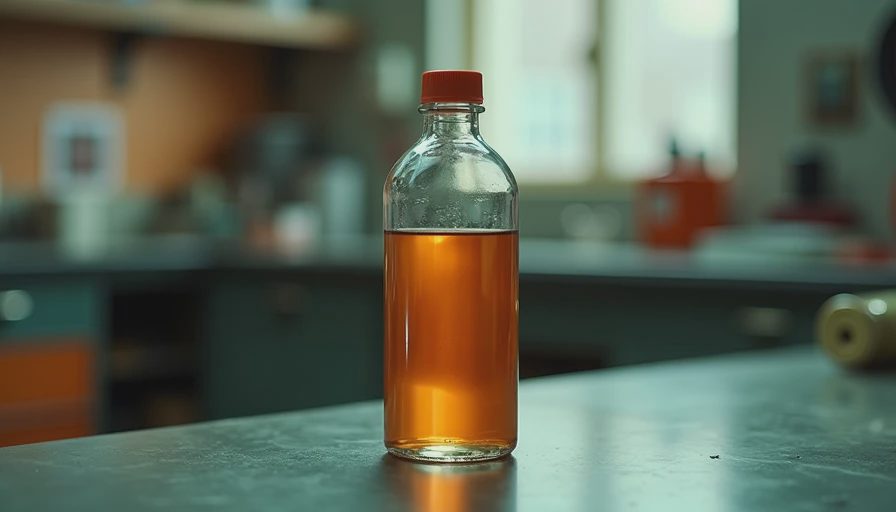
Reference Box: Color is an identification aid, not a specification. Some modern fluids are amber, blue, or nearly clear, and used fluid darkens with oxidation and clutch material.
The fluid also acts as a heat-transfer medium. A transmission operating near its design temperature can still oxidize fluid over time, while towing, high ambient heat, low fluid level, restricted coolers, or repeated heavy loading can accelerate degradation. A burnt odor, abnormal shift quality, or dark fluid deserves diagnosis rather than an automatic assumption that a flush will solve the problem.
ATF, CVT, and dual-clutch fluid are not interchangeable
Automatic transmission fluid, commonly called ATF, is designed for stepped automatic transmissions with planetary gearsets and friction clutches. Different automakers specify different friction characteristics. A product labeled Dexron, Mercon, SP, WS, or a manufacturer-specific approval is not automatically suitable for every automatic unit. The service manual and the fluid label are the starting points.
Continuously variable transmissions use a special fluid that manages the friction between pulleys and a belt or chain. CVT fluid must provide controlled traction, antiwear protection, and stable behavior under high contact pressure. Conventional ATF can produce the wrong friction response and may contribute to belt or pulley damage. A CVT fluid that happens to fit into the fill port is not proof of compatibility.
Dual-clutch transmissions can use either a wet-clutch fluid or separate fluids for the clutch and gear sections. Some wet-clutch designs require a fluid with precise friction performance, while dry-clutch systems may use a conventional gear lubricant in the gearset and no fluid around the clutch pack. Never assume that the phrase dual clutch identifies one universal product.
Manual transmissions create another distinction. Some use gear oil meeting an API GL-4 requirement; others specify ATF or a dedicated manual transmission fluid. API GL-5 gear oil is not a substitute for GL-4 simply because both products lubricate gears. The higher extreme-pressure additive level in some GL-5 products can be unsuitable for yellow-metal synchronizers, depending on the formulation and application.
How to find the correct specification
The vehicle owner's manual, factory service information, transmission identification, and fluid-fill label should agree. On the spec sheet, the number that decides it is the original equipment requirement, not a marketing phrase such as multi-vehicle or universal. A shop should record the year, engine, transmission code, mileage, and existing service history before selecting a product.
Look for an explicit OEM specification or licensed approval when one is required. A statement that a product is suitable for a specification is not always the same as an approval issued by the equipment manufacturer. For fleet work, keep a fluid chart by transmission family and verify it against current service information when a model year changes.
SAE J306 is useful when discussing automotive gear lubricant viscosity classifications, but it does not replace an automatic transmission specification. ASTM D445 measures kinematic viscosity, and ASTM D892 is commonly used for foaming characteristics. These tests help describe performance; they do not give permission to substitute one fluid for another. The complete additive and friction system matters.
If your customer asks, the one-line answer is: use the exact fluid requirement published for that transmission, and do not use color, viscosity alone, or a familiar brand name as the deciding factor.

Checking level and deciding whether service is needed
Many transmissions require a specific temperature range, engine-running condition, and shift sequence for an accurate level check. Some have a dipstick; others use an overflow or standpipe procedure from underneath the vehicle. A level check performed cold when the manual calls for a hot check can lead to overfilling, just as an idling requirement ignored during inspection can produce a false reading.
Before opening a fill plug, clean the surrounding area so dirt does not enter the unit. Inspect for leaks at axle seals, cooler lines, pan gaskets, electrical connectors, and the case. Fluid level loss is a symptom, not a maintenance interval. A transmission that needs repeated top-offs needs leak diagnosis.
Service methods vary. A drain-and-fill replaces only the fluid that leaves the pan or drain plug, while a fluid exchange can replace a larger percentage through approved equipment. Neither process repairs worn clutches, damaged bearings, valve-body faults, or a failing pump. If the fluid contains glitter-like metal, large friction-material debris, or coolant contamination, document the condition and diagnose before recommending an aggressive exchange.
A filter, pan gasket, drain plug seal, and fluid temperature procedure should be treated as part of the job, not optional extras. After servicing, verify the level, scan for transmission fault codes when appropriate, road-test through all ranges, and recheck for leaks. A short written record of fluid type, quantity, mileage, and technician observations prevents expensive confusion at the next visit.
Safety, storage, and disposal
Used transmission fluid can contain wear metals, degraded additives, and contaminants. Wear chemical-resistant gloves and eye protection, avoid skin contact, and use a drain pan large enough for the expected volume. Hot fluid can burn quickly, and a vehicle supported only by a jack is not safe for an underbody inspection. Use properly rated jack stands and follow shop lifting procedures.
Store new and used fluid in closed, labeled containers away from ignition sources and floor drains. Do not mix used transmission fluid with brake cleaner, solvent, coolant, gasoline, or other waste streams. Many auto-parts stores, repair shops, and municipal programs accept used automotive fluids, but acceptance rules and quantity limits differ. Call before carrying in a container.
Never pour transmission fluid onto soil, into a storm drain, or into household trash. Keep an absorbent material available for spills, stop the source if it is safe, contain the liquid, and place contaminated absorbent in a labeled container. Follow applicable EPA, state, local, and OSHA requirements for storage and waste handling. Shops should maintain spill procedures and train employees before a release occurs.
A practical counter and bay reference
When a driver or technician asks about transmission fluid, begin with four questions: What is the year and model? Which transmission is installed? What does the service information specify? Is the concern level, leak, shift quality, overheating, or scheduled maintenance? Those answers separate a fluid-selection question from a mechanical diagnosis.
A practical example is a late-model vehicle with a CVT and a red bottle of conventional ATF on the shelf. The color and familiar label do not make it correct. Another example is an older manual gearbox that calls for ATF rather than gear oil. In both cases, the transmission's specification controls the choice.
Transmission fluid is a working component, not background material. Use the published requirement, respect temperature and level procedures, document what went into the unit, and dispose of what came out through an approved channel. Reference Box: the safest replacement is the product that matches the complete OEM specification and service procedure, not merely one that looks or feels similar.



No comments yet — be the first to share a thought.